English
 Español
 Português


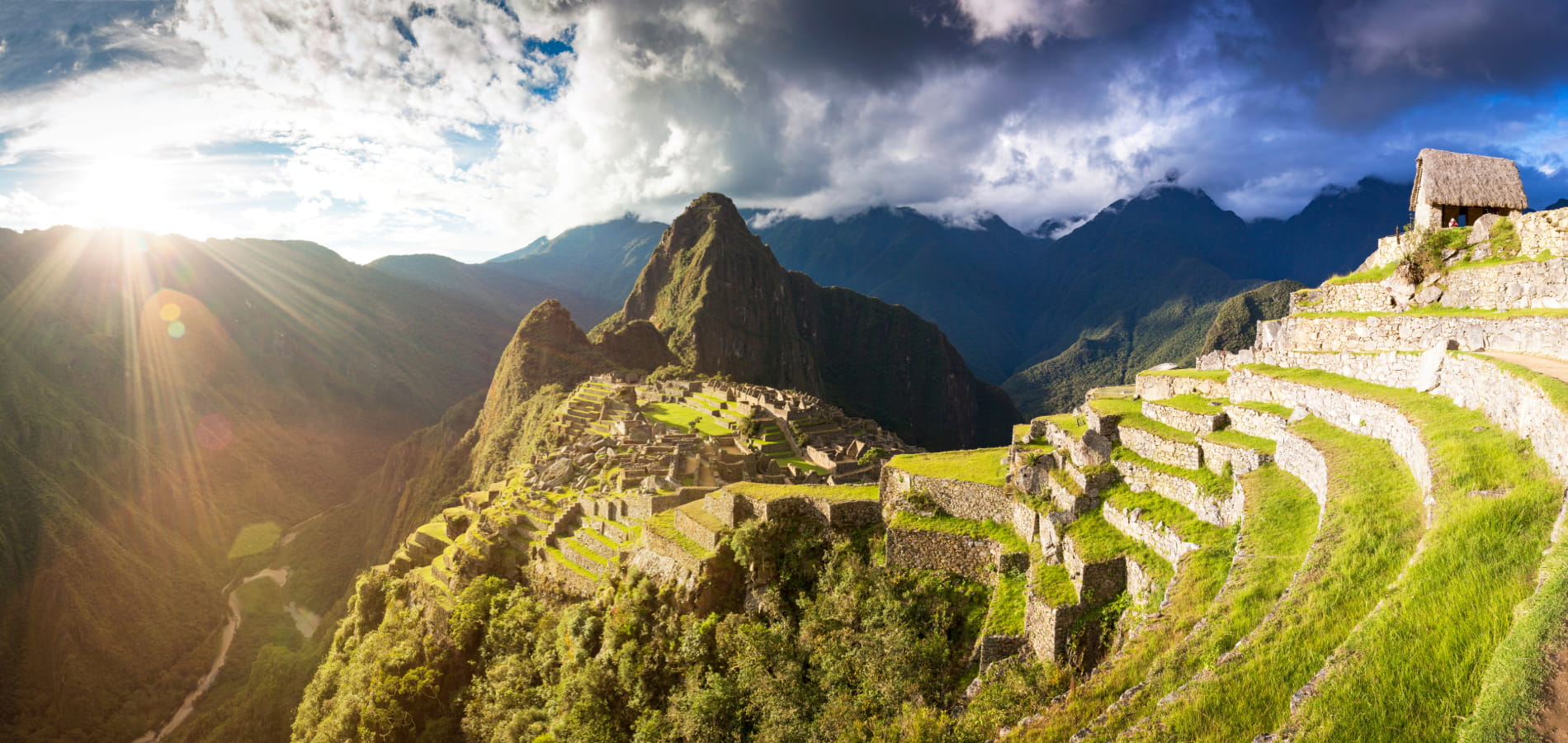
The most famous Peru tourist attractions are Machu Picchu, the city of Cusco and the Sacred Valley, followed by the rainbow mountains, Lake Titicaca, the Colca Canyon, the Tambopata rainforest and the beaches of Máncora. Together they combine Inca history, snow-capped peaks, mountain lakes, jungle and coast in one country.
We are local guides based in Cusco. In this guide we introduce each place with its region, who it suits best, and where to find our detailed guide and our tour. It is not an itinerary: it is a catalog to help you choose what you want to see.
Peru Tourist Attractions at a Glance: The Most Visited Places
This table sums up the places in this guide. The number of days is our own recommendation, and the price is our most affordable tour to each place.
| Place | Region | Type | Recommended days | From US$ |
|---|---|---|---|---|
| Machu Picchu and Huayna Picchu | Cusco | Culture | 1–2 | 300 |
| Cusco: Coricancha and Sacsayhuamán | Cusco | Culture | 2–3 | 40 |
| Sacred Valley | Cusco | Culture | 1 | 90 |
| Maras Salt Mines and Moray | Cusco | Culture | Half day | 30 |
| Inca Trail | Cusco | Adventure | 2–4 | 450 |
| Salkantay | Cusco | Adventure | 5 | 550 |
| Rainbow Mountain, Palcoyo and Pallay Punchu | Cusco | Nature | 1 | 50 |
| Humantay Lake | Cusco | Nature | 1 | 55 |
| Ausangate | Cusco | Nature and adventure | 1 or 5 | 60 |
| Choquequirao | Cusco | Adventure | 4 | 450 |
| Lake Titicaca (Uros and Taquile) | Puno | Culture | 1–2 | 55 |
| Arequipa and Colca Canyon | Arequipa | Culture and nature | 2 | 55 |
| Amazon (Tambopata) | Madre de Dios | Nature | 3 | 390 |
| Máncora and Punta Sal | Piura | Beach | 2 | 199 |
Machu Picchu and Cusco: The Inca Heart of Peru
Machu Picchu and Huayna Picchu
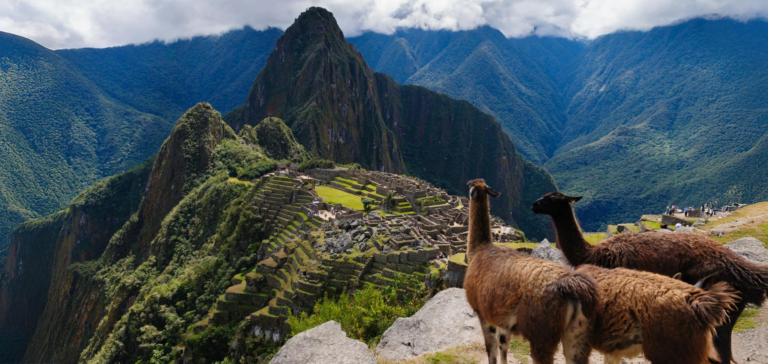
Region: Cusco. Best for: every traveler. Machu Picchu is the most famous Inca citadel in the world, built between mountains and cloud forest at about 2,430 m (7,970 ft). Behind it rises Huayna Picchu, the peak in the classic photo, climbed on very steep Inca stone steps; it is not suitable if you suffer from vertigo. Read our Machu Picchu history and our Huayna Picchu guide.
Tickets are sold by circuit and time slot, and they sell out in high season: check our guide to Machu Picchu tickets and to how to get to Machu Picchu. You can go on the Machu Picchu Full Day tour from Cusco (US$300) or take it slower on the 2-day Machu Picchu tour (US$350).

Cusco: Coricancha and Sacsayhuamán
Region: Cusco. Best for: history and architecture lovers. Cusco was the capital of the Incas and sits at about 3,400 m (11,150 ft). In the center, the Coricancha, the Temple of the Sun, supports the Santo Domingo convent; above the city, Sacsayhuamán shows walls of giant stones. We explain both in our Coricancha and Sacsayhuamán guide and in our list of things to do in Cusco. We visit them on the Cusco City Tour (US$40).
Sacred Valley of the Incas
Region: Cusco. Best for: travelers who want Andean towns and Inca ruins without much walking. The Urubamba River valley is lower than Cusco and brings together Pisac, with its market and terraces, and Ollantaytambo, an Inca town that is still lived in. See our Sacred Valley guide. The Sacred Valley VIP tour (US$90) includes Pisac, Ollantaytambo, Moray and Maras, with lunch.
Maras Salt Mines and Moray
Region: Cusco. Best for: photographers and travelers with half a day to spare. The Maras salt mines are thousands of salt pools stepped down a hillside, worked by local families since before the Incas. Moray is a set of circular terraces that, it is believed, were used to experiment with crops. Read our Maras Salt Mines and Moray guide or book the Maras Moray tour (US$30, entrance fees not included).
Mountains and Lakes Around Cusco
Rainbow Mountain, Palcoyo and Pallay Punchu
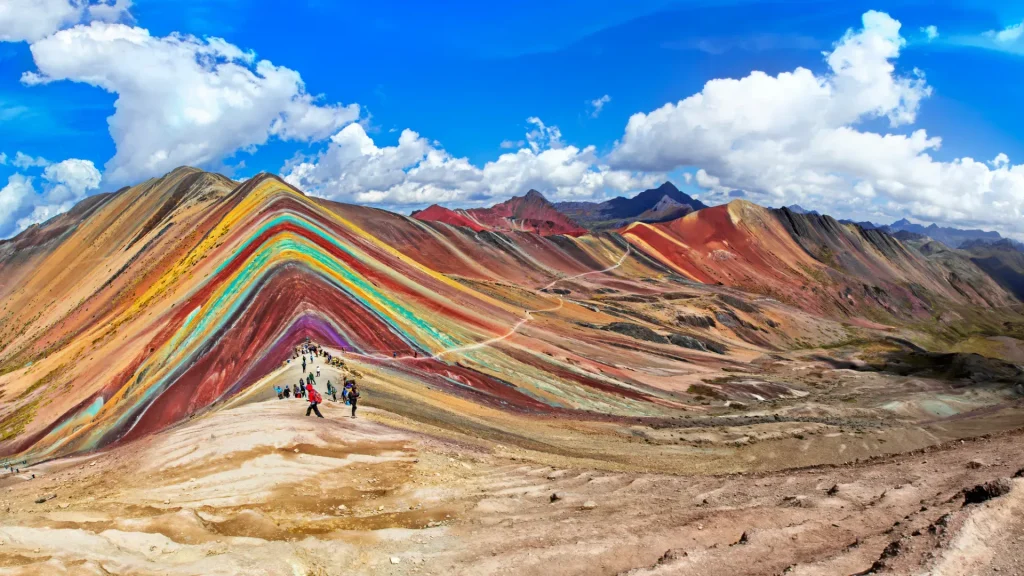
Region: Cusco. Best for: acclimatized travelers looking for unique landscapes. Rainbow Mountain (Vinicunca) reaches about 5,200 m (17,060 ft) and is the most famous; learn about the route in our Rainbow Mountain guide and on the Rainbow Mountain tour (US$50). Palcoyo, at about 4,900 m (16,080 ft), is a gentler option: read our Palcoyo guide or book the Palcoyo tour (US$50). Pallay Punchu, at about 4,800 m (15,750 ft), is the newest rainbow mountain: see our Pallay Punchu guide and the Pallay Punchu tour (US$60).
Humantay Lake
Region: Cusco. Best for: travelers who want a short but demanding hike in one day. It is a turquoise lake at about 4,200 m (13,800 ft), at the foot of the snow-capped peaks of the Vilcabamba range. Everything you need to know is in our Humantay Lake guide, and we visit it on the Humantay Lake tour (US$55).
Ausangate Mountain
Region: Cusco. Best for: hikers looking for less crowded places. At about 6,380 m (20,940 ft), Ausangate is the highest mountain in the Cusco region and a sacred apu, surrounded by colorful lakes, alpacas and herding communities. Read our Ausangate guide. You can go for a day on the Ausangate 7 Lakes tour (US$60) or circle the mountain on the 5-day Ausangate Trek (US$600).
Hikes: Inca Trail, Salkantay and Choquequirao
Inca Trail to Machu Picchu
Region: Cusco. Best for: travelers who want to reach Machu Picchu on foot along an Inca path. It is the most famous hike in Peru: it passes archaeological sites and enters the citadel through the Sun Gate. It requires a limited permit that sells out early. We explain it in our Inca Trail guide. We offer the 4-day Classic Inca Trail (US$650) and the 2-day Short Inca Trail (US$450).
Salkantay
Region: Cusco. Best for: fit hikers who could not get an Inca Trail permit or want more scenery. The route passes Salkantay Mountain, about 6,270 m (20,570 ft) high, crosses a pass at about 4,600 m (15,100 ft) and drops from snow into cloud forest all the way to Aguas Calientes. Read our Salkantay guide and book the 5-day Salkantay Trek (US$550). Another alternative is the 4-day Lares Trek (US$450).
Choquequirao
Region: Cusco. Best for: experienced hikers who want Inca ruins with hardly any tourists. Choquequirao is a large Inca city high above the Apurímac canyon, reached on foot. Read our guide on how to get to Choquequirao and see the 4-day Choquequirao trek (US$450). All our routes are in our treks category.
Southern Peru: Lake Titicaca, Arequipa and the Colca Canyon
Lake Titicaca: Uros and Taquile
Region: Puno. Best for: travelers interested in living cultures. Lake Titicaca, at about 3,810 m (12,500 ft) and shared with Bolivia, is often described as the highest navigable lake in the world. From Puno you visit the floating Uros islands, made of totora reeds, and Taquile island, famous for its textiles. Read our Lake Titicaca guide and choose between the 2-day Uros and Taquile tour (US$95) or the Sillustani and Lake Titicaca tour (US$55), with the funerary towers of Sillustani.

Arequipa and the Colca Canyon
Region: Arequipa. Best for: travelers who want a colonial city, volcanoes and condors. Arequipa, the White City, has a historic center built of sillar stone with El Misti volcano in the background; we explore it on the Arequipa City Tour (US$60). From there you head to the Colca Canyon, one of the deepest in the world, where the Condor Cross is the viewpoint for spotting Andean condors. Read our Colca Canyon guide and book the one-day Colca Canyon tour (US$55).

Amazon and Beach: Tambopata and Máncora
Tambopata National Reserve
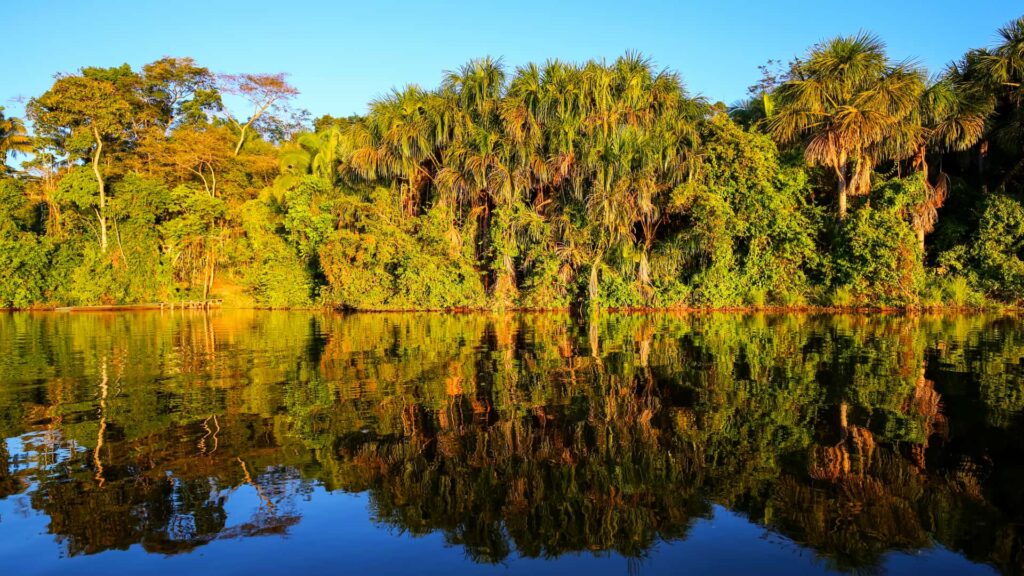
Region: Madre de Dios. Best for: travelers who want to experience the rainforest without a complicated trip. Tambopata is a protected area of the Amazon near Puerto Maldonado, reached by plane from Lima or Cusco. Its best-known spot is Lake Sandoval. Read our Tambopata National Reserve guide and see the 3-day Lake Sandoval Tambopata tour (US$390).
Máncora and Punta Sal
Region: Piura. Best for: travelers who want to rest after the Andes. On the north coast, Máncora is known for surfing, sunshine almost all year and ceviche; Punta Sal has calmer water. Read our Máncora guide or book the 2-day Máncora and Punta Sal beaches tour (US$199).
Other Famous Peru Tourist Attractions
Peru has many more destinations. These are famous, although we do not run tours to them:
- Lima: the capital, on the coast, known for its food and its historic center.
- Nazca Lines: large figures drawn on the southern desert, best seen from the air.
- Paracas and Huacachina: a coastal nature reserve and an oasis surrounded by sand dunes, south of Lima.
- Kuélap: a stone fortress built by the Chachapoyas culture in the north of the country.
- Huaraz: the gateway to the Cordillera Blanca, with snow-capped peaks and glacial lakes.
How to Combine Peru Tourist Attractions in One Trip
Most of the places in this guide are around Cusco, so it is the best base. From there you can add a second region: the south (Puno and Arequipa), the Amazon or the beach. Start with the lower places and leave the high mountains for when you are acclimatized. To see how to split the days, read our 7- to 10-day Peru itinerary.
Book with 40%: all our tours, from Machu Picchu to Máncora, are booked by paying only 40% online. You pay the balance when you arrive in Peru. We guide in English, Spanish and Portuguese.
Frequently Asked Questions
What is the most famous tourist attraction in Peru?
Machu Picchu. It is the best-known Inca citadel in the world and the main reason many travelers visit Peru. It is almost always combined with Cusco and the Sacred Valley.
How many days do I need to see the main places?
With about 7 days you can see Cusco, the Sacred Valley, Machu Picchu and one mountain or lake. With 10 days or more you can add Lake Titicaca, Arequipa, the Amazon or the beach.
Which places can I visit on a day trip from Cusco?
Machu Picchu (on a long day), the Sacred Valley, Maras and Moray, Rainbow Mountain, Palcoyo, Pallay Punchu, Humantay Lake and the Ausangate lakes. You can see them all in our full-day tours category.
What is the best time to visit Peru?
For the Andes, the dry season, from April to October, has clearer skies and is best for hiking. The north coast is sunny almost all year. We explain it month by month in our guide to the best time to visit Cusco.
Will the altitude affect me at these places?
In the Andes, yes. Cusco is at about 3,400 m (11,150 ft) and several mountains rise above 4,500 m (14,760 ft). Rest on your first day and go up gradually. Check our Cusco elevation chart and our tips to prevent altitude sickness.
Is it safe to visit these places in Peru?
The main tourist attractions welcome travelers all year and, with normal precautions, are visited without problems. We share practical advice in our guide is Peru safe to visit?
Choose Your Places and Travel with Local Guides
Peru is best enjoyed when you choose a few places and visit them without rushing. Start with Machu Picchu and Cusco, add a mountain or a lake and, if you have time, a second region. For every place on this list you have a detailed guide and a tour with a local guide.
If you have questions or want to combine several tours, write to us and we will help you choose. Remember that you book with 40% online and pay the rest when you arrive in Peru.