 English
 Español
 Português


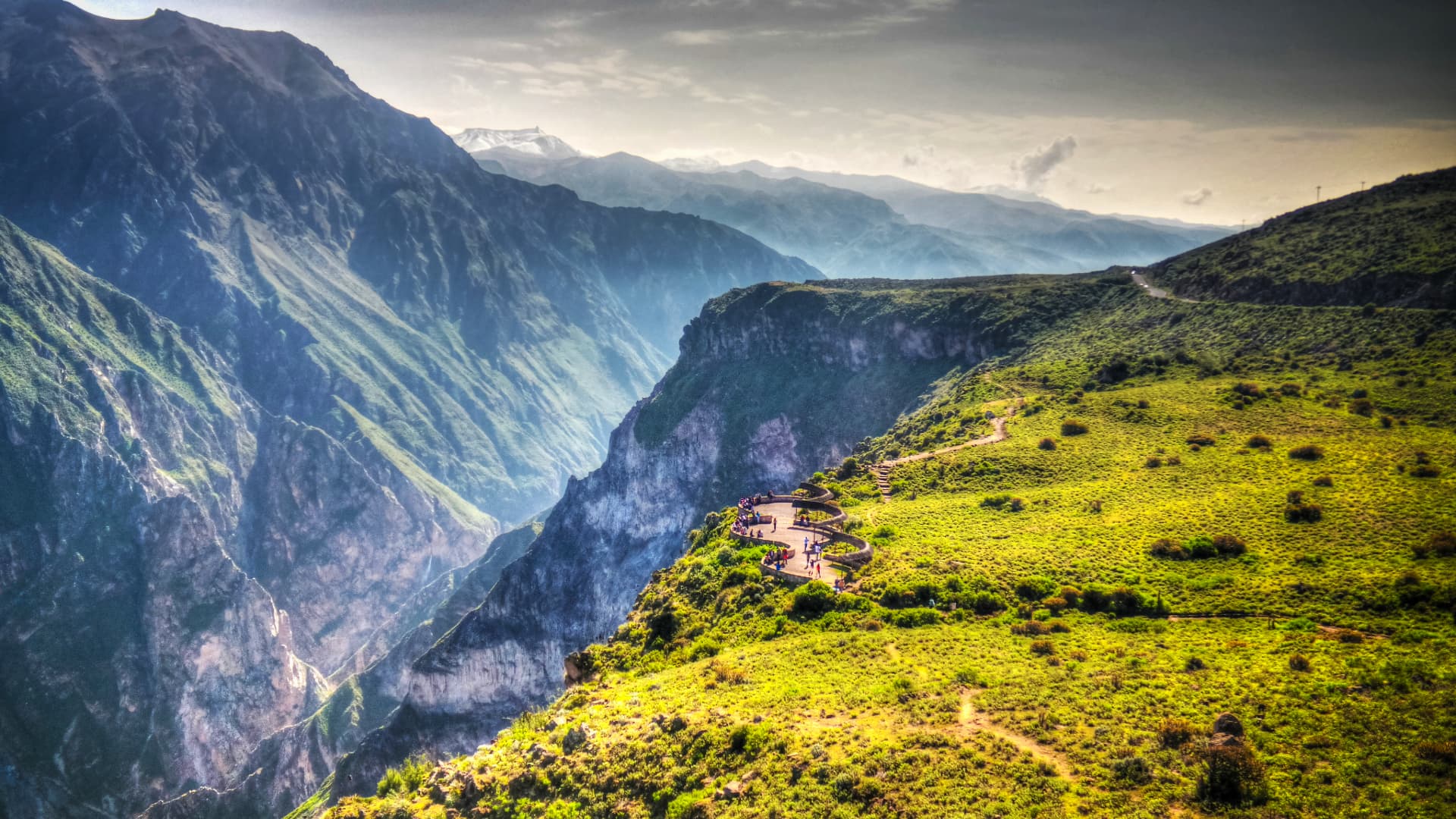
The Colca Canyon is one of the deepest canyons in the world, located in the Arequipa region of southern Peru. It is famous for the Condor Cross viewpoint, where Andean condors soar over the gorge, and for its pre-Inca and Inca terraces. Most travelers visit from Arequipa, the White City, on a full-day trip or over two days.
We are local guides based in Cusco, and we also run tours in Arequipa. Here we explain what to see, how to get there, how to prepare for the altitude and what to visit in the city.
What Is the Colca Canyon?
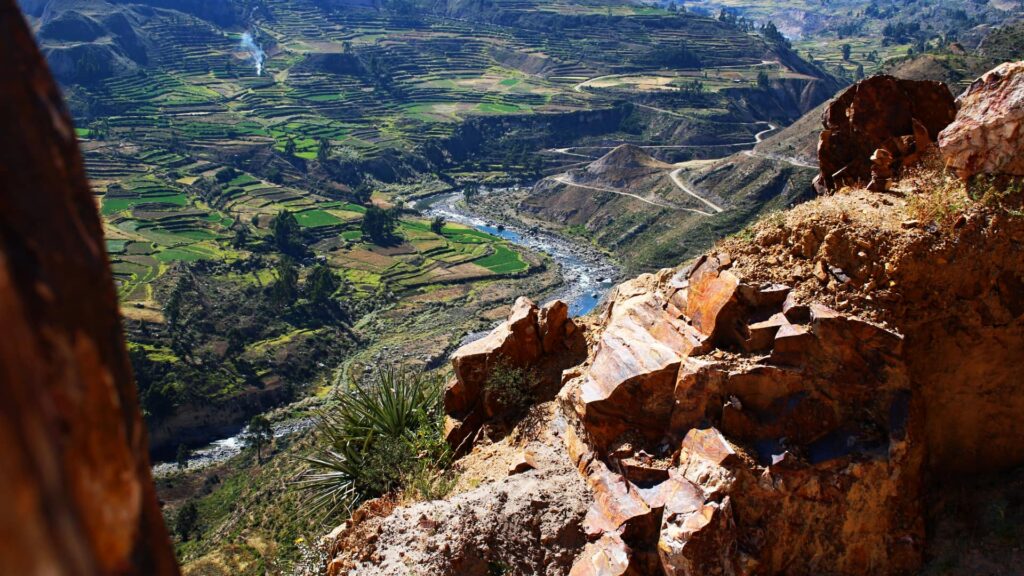
Colca is a canyon carved by the river of the same name between the mountains and volcanoes of the southern Andes. It is considered one of the deepest canyons in the world. We don’t give an exact depth because sources don’t agree: what matters is that, from the viewpoints, the river runs far below you, between almost vertical rock walls.
But Colca is more than scenery. It is also a living valley that has been farmed for centuries, with agricultural terraces built before and during Inca times, traditional villages with colonial churches and communities that keep their customs alive.
Where Is the Colca Canyon and How to Get There from Arequipa
The canyon lies in the Arequipa region, north of the city. The main town in the valley is Chivay, about 3–4 hours by road from Arequipa. On the way you cross the puna, a high, cold plateau, and pass the Patapampa viewpoint, the highest point of the route at about 4,900 m (16,100 ft). With some luck, you may spot vicuñas and alpacas here.
The most practical way to get there is on a tour from Arequipa, which includes transportation and a guide. There are also public buses to Chivay, but then you have to arrange your own transfers to the viewpoints.
To enter the valley you need the Colca tourist ticket (boleto turístico), which is mandatory and whose price depends on your nationality. On our one-day Colca Canyon tour, the tourist ticket is not included: you pay it separately before entering the valley.
Condor Cross: Where to See Condors in Colca
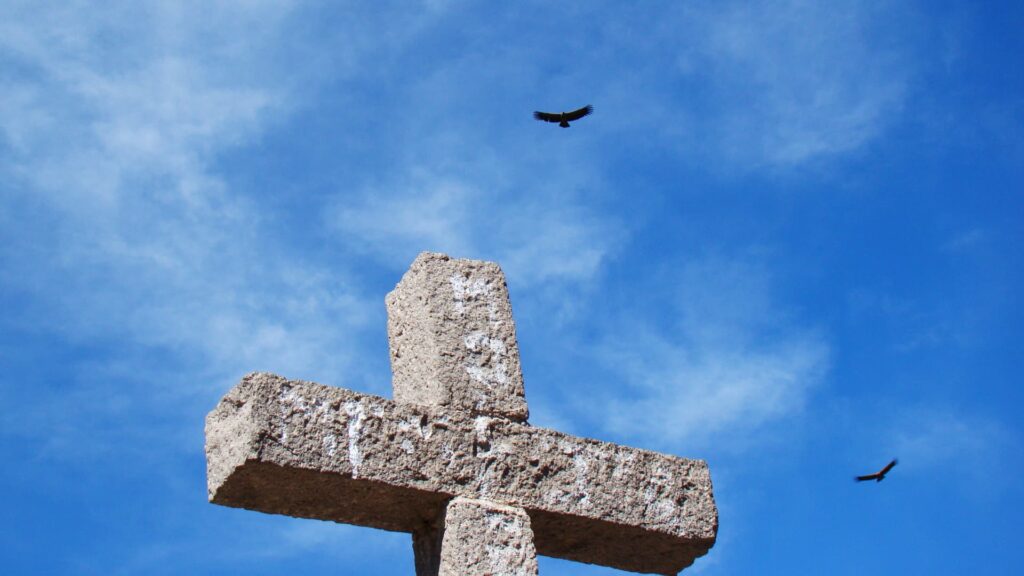
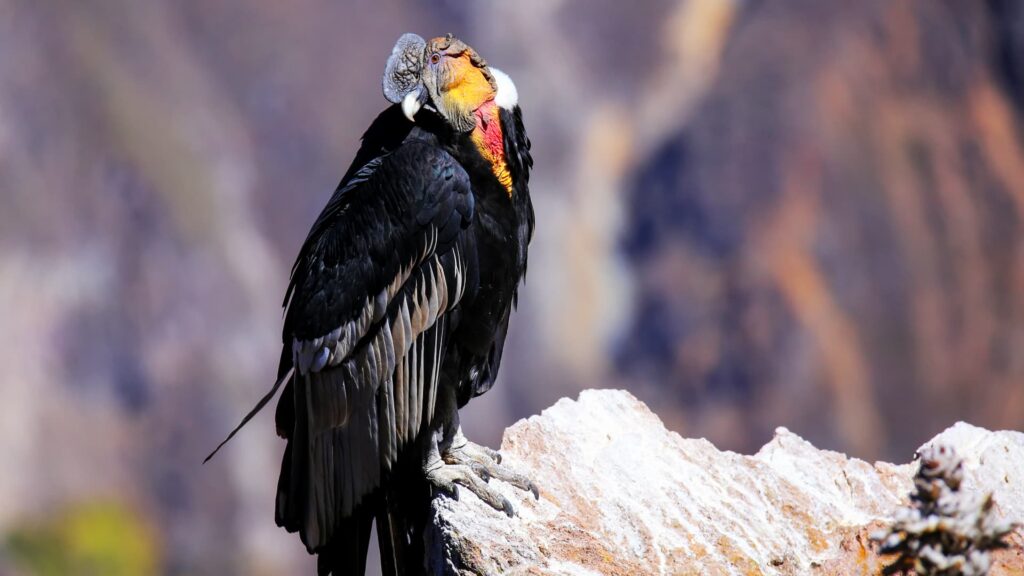
The Condor Cross (Cruz del Cóndor) is a viewpoint on the edge of the canyon, between the villages of Maca and Cabanaconde, about 50 minutes from Chivay. It is the best place in the valley to see the Andean condor, one of the largest flying birds in the world, gliding over the gorge.
Condors are usually seen in the morning, when they ride the rising warm air to gain height. That is why tours leave Arequipa before dawn. Even so, sightings can never be guaranteed: they depend on the weather and the time of year.
Things to See in the Colca Valley
Beyond the Condor Cross, the valley has plenty to offer:
- Pre-Inca and Inca terraces: farming terraces that cover the valley slopes and are still in use.
- Traditional villages: Chivay, Yanque, Maca and others, with their plazas and colonial churches.
- Viewpoints: several spots with panoramic views of the canyon, the terraces and the snow-capped peaks.
- Hot springs: there are thermal baths near Chivay, a great way to warm up after a cold morning.
- The puna: the high plateau between Arequipa and Chivay, where you may see vicuñas and alpacas.
On our tour, lunch is in Chivay, at a local restaurant, with typical dishes such as rocoto relleno (stuffed spicy pepper). If you are curious about highland cooking, read our guide to Andean food.
Colca Altitude and Acclimatization
The trip to Colca climbs a lot in just a few hours. These are the approximate altitudes along the route:
| Place | Approximate altitude | What it means |
|---|---|---|
| Arequipa | 2,335 m (7,660 ft) | Moderate altitude, a good place to start acclimatizing. |
| Chivay | About 3,600 m (11,800 ft) | A little higher than Cusco: you may feel tired when walking. |
| Patapampa viewpoint | About 4,900 m (16,100 ft) | The highest point of the route. Short stops and slow walking. |
Arequipa is lower than Cusco, so spending one or two days in the city is a good way to acclimatize before Colca or Puno. You don’t walk much at Patapampa, but shortness of breath or a mild headache is normal. Eat light, drink water and tell your guide if you feel unwell. We explain the symptoms and how to prevent them in our post on altitude sickness in Peru.
Colca Canyon in 1 Day or 2 Days?
The two most common ways to visit Colca from Arequipa are a full day or a two-day trip with a night in the valley. Here is how they compare:
| 1 day | 2 days | |
|---|---|---|
| Pace | Pre-dawn start and a long day | More relaxed, with free time in the valley |
| Night | Back in Arequipa in the afternoon | One night in Chivay or another valley village |
| Condor Cross | In the morning | Usually on the morning of day two |
| Altitude | Up and down on the same day | You sleep above 3,000 m (9,800 ft) |
| Best for | Travelers short on time | Those who want to enjoy the valley slowly |
Our Colca Canyon full-day tour costs US$55 and includes tourist bus transportation, a guide in English, Spanish or Portuguese and lunch in Chivay. The Colca tourist ticket is paid separately. It leaves around 3:30 a.m. and returns to Arequipa in the afternoon. You can find more excursions in our full-day tours category.
Book with 40%: our Colca and Arequipa tours can be booked by paying just 40% online. The balance is paid when you arrive in Peru.
Arequipa, the White City: Things to Do
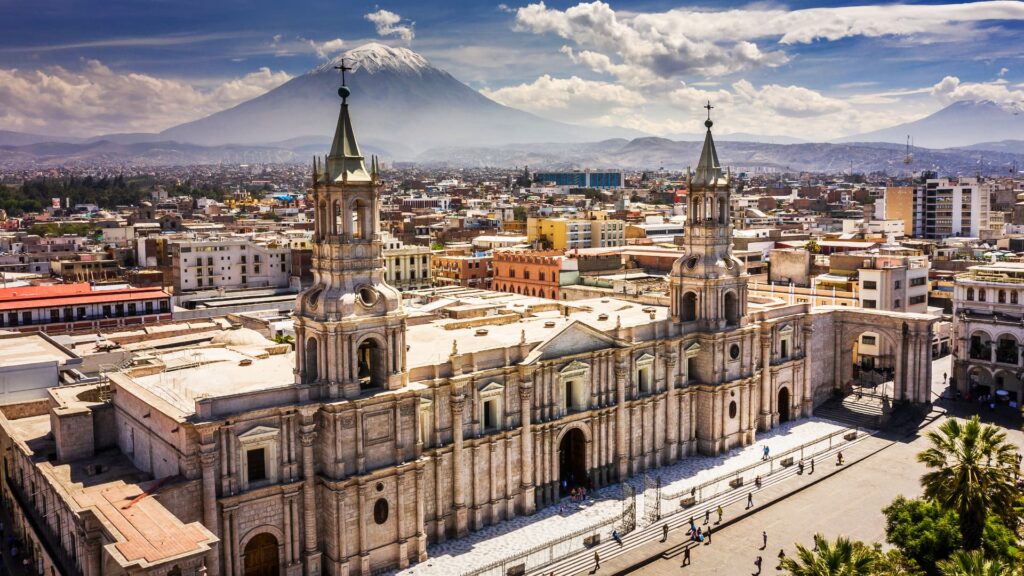
Arequipa is the gateway to Colca and deserves at least half a day. It is called the White City because of sillar, the white volcanic stone of its mansions and churches. Its historic center has been a UNESCO World Heritage Site since 2000.
Plaza de Armas and the Cathedral
This is the heart of the city, framed by sillar arcades. The Cathedral fills one whole side of the square and, on clear days, El Misti volcano rises behind its towers.
Santa Catalina Monastery
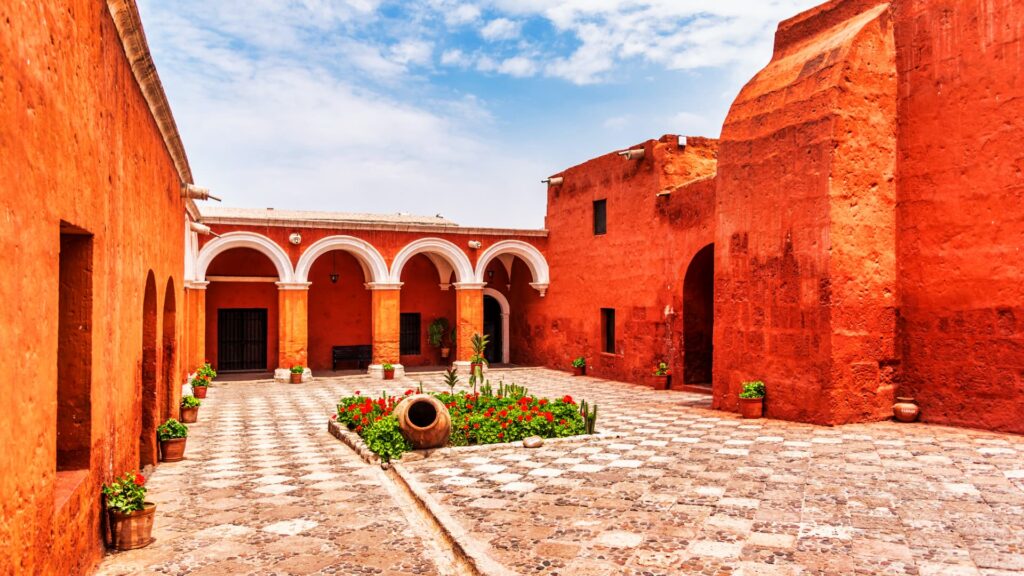
Founded in the 16th century, it is a “city within the city”: narrow streets, courtyards and walls painted in bold colors, where cloistered nuns lived for centuries.
Yanahuara and Carmen Alto Viewpoints
From these two viewpoints you see the city with the volcanoes behind it, above all El Misti, at about 5,800 m (19,000 ft). Yanahuara has sillar arches and is one of the best places to photograph Arequipa.
Museo Santuarios Andinos and the Juanita Mummy
The museum houses the Juanita mummy, an Inca offering found on Ampato volcano, along with objects from Inca high-mountain rituals. Keep in mind that Juanita is not always on display.
Arequipa Food
Arequipa is famous for its picanterías, traditional restaurants serving regional cooking. Try rocoto relleno, the city’s signature dish.
Our Arequipa City Tour (US$60) covers the Plaza de Armas, the Cathedral, Santa Catalina, the Museo Santuarios Andinos and the Yanahuara viewpoint, from about 2:00 to 5:30 p.m. Entrance to Santa Catalina is not included: you pay at the door.
How to Get to Arequipa
- By plane: there are flights from Lima and from Cusco. It is the fastest option.
- By bus from Cusco: a long journey, usually overnight.
- By bus from Puno: useful if you are traveling around southern Peru.
Many travelers follow the Arequipa – Puno – Cusco route, which also climbs gradually and helps with acclimatization. In Puno, continue with our Lake Titicaca guide and choose between the Sillustani and Lake Titicaca one-day tour or the 2-day Uros and Taquile islands tour.
Best Time to Visit Colca and Arequipa
Arequipa is sunny almost all year round. The dry season runs from April to November, with clear skies and good views of the volcanoes and the canyon. Between December and March it can rain in the highlands and in the valley, and the landscape turns greener.
In any season, mornings in Colca and on the puna are cold. If you are combining southern Peru with Cusco, also check our guide to the best time to visit Cusco.
What to Pack for Colca
- Layers: a warm jacket for the early start and the puna, and light clothes for midday.
- Hat and gloves: it is cold at Patapampa and the Condor Cross in the morning.
- Sun protection: sunscreen, sunglasses and a hat; the high-altitude sun is strong.
- Water and snacks: breakfast and extra drinks are not included in the tour.
- Comfortable shoes: for the easy walks at the viewpoints.
- Swimsuit and towel: only if you plan to visit the hot springs on your own.
Frequently Asked Questions
Can you visit the Colca Canyon in one day?
Yes. It is a long day: you leave Arequipa before dawn, reach the Condor Cross in the morning and return in the afternoon. If you prefer a slower pace, many travelers choose two days with a night in the valley.
Will I always see condors at the Condor Cross?
Not always. Morning is the best time, but sightings depend on the weather and the season. That is why our tour reaches the viewpoint early.
Does the altitude affect you in Colca?
It can. Chivay is at about 3,600 m (11,800 ft) and the route passes Patapampa, at about 4,900 m (16,100 ft). Ideally, spend one or two days in Arequipa first or arrive already acclimatized from Cusco.
Is the Colca tourist ticket included in the tour?
No. The Colca tourist ticket, required to enter the valley and the Condor Cross, is not included and is paid separately; its price depends on your nationality. The Chivay hot springs are also optional and paid separately.
How many days do I need in Arequipa?
We recommend at least two days: one for the city and one for Colca. If you have more time, an extra day helps you acclimatize and enjoy the city without rushing.
How much do your Arequipa tours cost?
The one-day Colca Canyon tour costs US$55 and the Arequipa City Tour, US$60. Both can be booked with 40% online, and the balance is paid when you arrive in Peru.
To plan your trip, read our guide: Andean Condor 2027: Where to See It in Peru, Size and Meaning.
Plan Your Trip to Colca and Arequipa
Colca combines condors, ancient terraces and traditional villages, while Arequipa adds a sillar historic center with volcanoes in the background. Save a day for the city, leave early for the canyon and bring warm clothes for the puna.
Start with the Arequipa City Tour to explore the White City and acclimatize, and the next day head up with our Colca Canyon and Condor Cross tour. For both, you pay only 40% online and the rest when you arrive in Peru.


