 English
 Español
 Português


The Inca Trail to Machu Picchu is a hike along an original Inca path that ends at the citadel, entering through Inti Punku, the Sun Gate. There are two routes: the classic, 4 days and about 42 km (26 miles) from Km 82, and the short, 2 days from Km 104. Both require a permit sold only to authorized agencies.
We are a local tour operator based in Cusco, and we take travelers along this trail every year. In this guide we explain which routes exist, how permits work for 2027, what each day looks like, how hard the hike is, when to go and what your options are if you can’t get a permit.
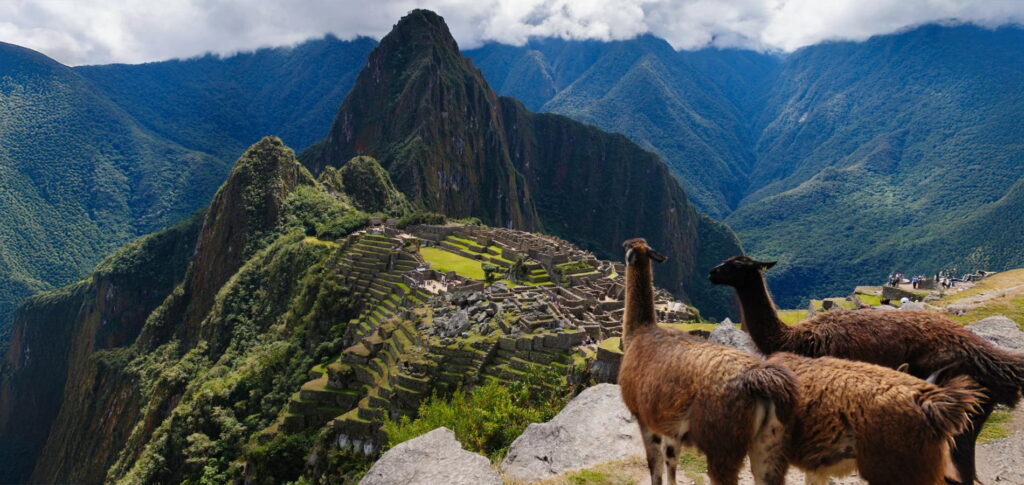
What is the Inca Trail to Machu Picchu?
The Incas built a road network that connected their entire territory. The section that leads to Machu Picchu is the most famous one because it preserves stone stairways, walls and archaeological sites you can only see on foot, and because it ends at the Sun Gate, where the citadel comes into view for the first time.
The trail lies inside a protected area, and access is controlled by Peru’s Ministry of Culture. That is why you can’t hike it independently: only a limited number of people enter each day, each one with a permit in their own name and accompanied by an authorized agency. If you’d like the historical background, read our introduction to Inca history.
Inca Trail routes: classic 4-day vs. short 2-day
Both routes end at Machu Picchu and pass through Wiñay Wayna and Inti Punku, but they are very different experiences. This table sums up the differences:
| Classic Inca Trail | Short Inca Trail | |
|---|---|---|
| Duration | 4 days, 3 nights | 2 days, 1 night |
| Starting point | Km 82 | Km 104 |
| Hiking | About 42 km (26 miles) over 4 days | One day of hiking |
| Highest point | Warmiwañusca Pass, about 4,215 m (13,829 ft) | Does not cross Warmiwañusca Pass |
| Nights | Camping | In Aguas Calientes |
| Difficulty | Challenging | Moderate |
| Permit | About 500 spots per day, guides and porters included | Its own, smaller quota |
| Our tour | From US$650 | From US$450 |
Choose the classic if you have 4 days, a good fitness level and want the full experience: mountain passes, nights at camp and the early-morning arrival through the Sun Gate. See the itinerary of our Classic Inca Trail 4 days.
Choose the short trail if you’re short on time or prefer a moderate effort without camping. You hike for one day, sleep in a bed in Aguas Calientes and visit the citadel calmly the next morning. You’ll find the details on our Short Inca Trail 2 days.
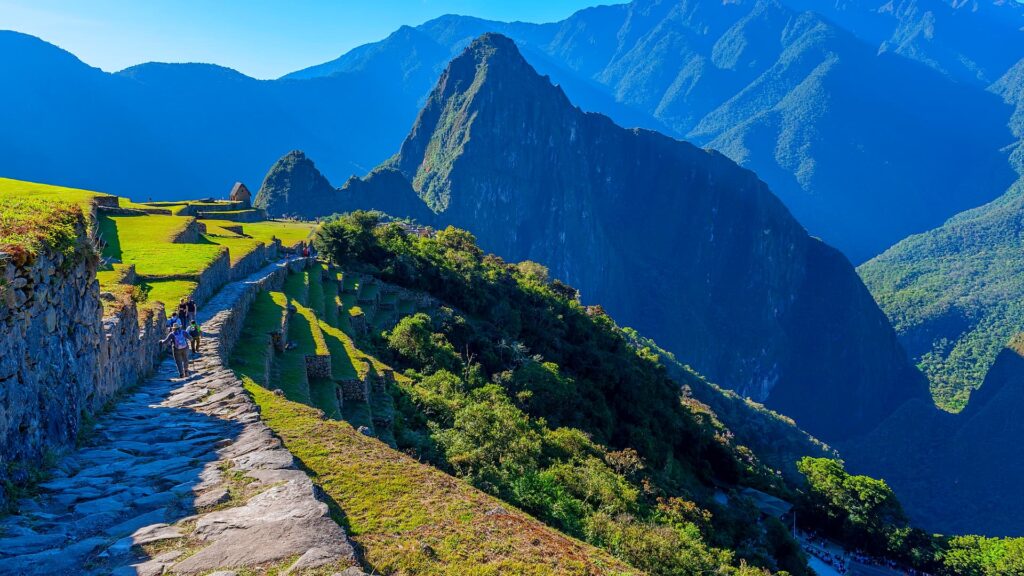
Inca Trail permits 2027: when and how to book
- Only authorized agencies can buy them. Permits are issued on the Ministry of Culture’s platform (the Cusco regional office, DDC Cusco). Travelers can’t buy them on their own.
- They are personal. Each permit is issued in the traveler’s name with their passport number, and you must show that same original passport at the trail checkpoint.
- Daily spots are limited. The classic route has about 500 spots per day, but that number includes guides, cooks and porters, so the spots for travelers are considerably fewer. The short route has its own, smaller quota.
- The 2027 release date has not been announced yet. As of October 2026, the Ministry hasn’t said when sales will open. The last two seasons were released in November of the previous year.
Our advice is to book early with an agency and have your passport details ready. May to August sells out first; if you want to travel in those months, don’t leave it to the last minute. Double-check that your name and passport number are written exactly as they appear on the document, because a permit can’t be transferred to someone else.
Book with 40%: Inca Trail permits are limited and personal. Secure your spot by paying 40% online; the balance is paid when you arrive in Peru.
The classic Inca Trail day by day
Each operator adjusts schedules and campsites, but the 4-day structure is always similar. Here is the summary:
Day 1: from Km 82 to the first camp. You leave Cusco early and drive through the Sacred Valley, passing Ollantaytambo, to Km 82. There your permit is checked against your passport and the hike begins. This is the gentlest day: the trail follows the river valley and you reach the first archaeological sites.
Day 2: Warmiwañusca Pass. This is the toughest day. You climb steadily to Warmiwañusca Pass, at about 4,215 m (13,829 ft), the highest point of the trail. Then comes a long descent on stone steps down to camp.

Day 3: the day of Inca sites. For many travelers it’s the most beautiful day. The trail passes several archaeological complexes and enters the cloud forest, with more vegetation and humidity. The day ends near Wiñay Wayna, one of the most impressive sites on the whole route, with its terraces on the mountainside.
Day 4: Inti Punku and Machu Picchu. You start before dawn to hike the last stretch to Inti Punku, the Sun Gate, where you see Machu Picchu for the first time. Then you walk down to the citadel for the guided visit and, afterward, descend to Aguas Calientes for the return to Cusco.
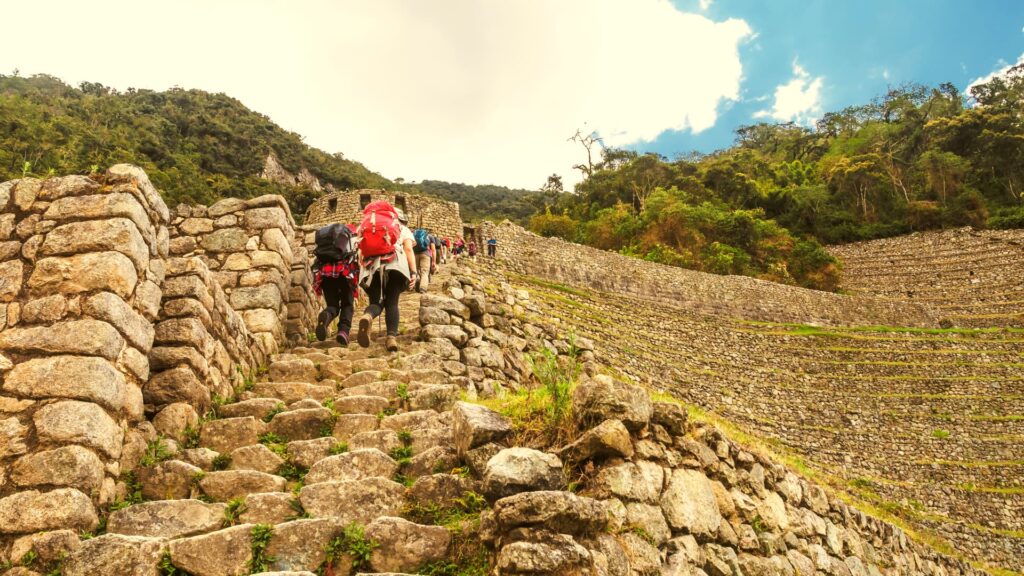
On the short route, all of this is condensed into one day: you reach Km 104, hike up to Wiñay Wayna, continue to Inti Punku and walk down to Machu Picchu before spending the night in Aguas Calientes. The full visit to the citadel takes place the next day.
How hard is the Inca Trail to Machu Picchu?
The classic route is challenging. You don’t need mountaineering experience or technical gear, but you do need the stamina to walk several days in a row, climb up and down stone steps and sleep at camp. The difficulty comes from the combination of distance, elevation gain and altitude.
The short route is moderate: a single day of hiking, without Warmiwañusca Pass and with a night in a hotel. Even so, there are sections with steps, so you should be reasonably fit.
About altitude: Cusco sits at about 3,400 m (11,155 ft) and Machu Picchu at about 2,430 m (7,972 ft), lower down. The critical point is Warmiwañusca, at about 4,215 m (13,829 ft). That’s why we recommend spending at least 2 days in Cusco before starting, so your body can adjust. Our guide on Cusco’s altitude explains why that pause helps, and our article on how to prevent altitude sickness in Peru covers symptoms and prevention. If you have a health condition, talk to your doctor before you travel.
- Train for a few weeks beforehand with long walks and stairs.
- Wear hiking boots you’ve already broken in, never new ones.
- Walk at your own pace, drink water often and tell your guide if you feel unwell.
Best time to hike the Inca Trail and the February closure
The Inca Trail is closed for the whole month of February for maintenance and reopens in March. If your trip falls in February, there’s no way to hike it; in that case, check the alternatives below.
The dry season, roughly from May to September, is the most popular: there’s less rain, the trail is drier and views tend to be clearer. It’s also when permits sell out first, especially from May to August. Nights at the higher camps are cold.
The rainy months, from November to March, bring more clouds and mud, and wet stone gets slippery. On the other hand, the landscape is greener and permits are usually easier to find. April and October are transition months, with in-between weather. In any season, mountain weather changes quickly, so always pack clothes for cold and rain.

What to pack for the Inca Trail
Only carry what you’ll actually use. This is the list we recommend:
- Your original passport, the same one used for the permit. Without it you can’t enter.
- Comfortable, broken-in hiking boots and spare socks.
- Layers: a thermal base layer, a fleece and a waterproof jacket.
- A rain poncho, especially from November to April.
- A warm hat, gloves and warm clothes for the nights.
- Trekking poles with rubber tips only; metal tips are not allowed unless covered.
- A headlamp with spare batteries.
- Sunscreen, sunglasses, a cap and insect repellent.
- A reusable water bottle and some snacks.
- A sleeping bag (not included: bring your own or rent one in Cusco).
- Your personal medication and some cash in Peruvian soles.
Alternatives to the Inca Trail without a permit
If you couldn’t get a permit, if you’re traveling in February or if you simply want a different experience, these are your options:
- Lares Trek. A 4-day hike through Andean communities, weaving villages and mountain scenery. It doesn’t need an Inca Trail permit and ends with a visit to Machu Picchu. See our Lares Trek 4 days.
- Salkantay. Another multi-day hike toward Machu Picchu, at the foot of Salkantay Mountain. It’s higher and more demanding, and it doesn’t require the Inca Trail permit either.
- Machu Picchu by train. If you’d rather not hike, you can go on a Machu Picchu full-day tour or, at a slower pace, on our Machu Picchu tour 2 days, with a night in Aguas Calientes.
To see every way of reaching the citadel, by train, via Hidroeléctrica or on foot, read our guide on how to get to Machu Picchu. All our hiking routes are in the Inca Trail tours category.
Inca Trail to Machu Picchu: frequently asked questions
Can I hike the Inca Trail without an agency?
No. Permits can only be bought by authorized agencies on the Ministry of Culture’s platform, and the hike is done with an authorized operator and a guide.
How far in advance should I book the Inca Trail?
As early as possible. The 2027 release date hasn’t been announced, but the last two seasons were released in November of the previous year. Dates from May to August are the first to sell out.
Can I change the name on my permit?
No. The permit is personal: it’s issued in the traveler’s name with their passport number, and you must show that same passport to enter. Check your details before confirming your booking.
Is the Inca Trail open in February?
No. It closes for all of February for maintenance and reopens in March. Machu Picchu itself stays open, so you can visit it by train or with the Lares Trek.
Do I need experience to hike the Inca Trail?
You don’t need technical experience, but you do need a good fitness level. The classic route is challenging and the short one is moderate. Either way, acclimatize in Cusco for at least 2 days first.
How much does it cost and how do I book?
Our Classic Inca Trail 4 days starts at US$650 and the Short Inca Trail 2 days at US$450. You book online by paying 40%, and the balance is paid when you arrive in Peru.
Plan your Inca Trail with a local operator
The Inca Trail rewards those who plan ahead: a permit booked in your name, a valid passport, acclimatization days in Cusco and the route that best fits your fitness level. If you pick the right date and walk at your own pace, arriving through the Sun Gate is worth every step.
If you want the full experience, take a look at our Classic Inca Trail; if you have fewer days, the Short Inca Trail. You book with 40% online. If you have questions about dates, permits or which route suits you, get in touch and we’ll help you plan it.


