 English
 Español
 Português


- Duration 4 Days / 3 Night
- Difficulty Moderate
- Group size 8 to 12 people
- Max. altitude 4,400 m.s.n.m
- Travel style Adventure, trekking
- Departure Cusco
The Lares Trek to Machu Picchu (4 days / 3 nights) is one of the most authentic trekking experiences in Peru. This trail offers a unique combination of natural beauty, cultural immersion, and adventure. Unlike the more popular Inca Trail, the Lares Trek takes you through remote Andean villages, far from the tourist crowds.
A cultural Andean adventure to Machu Picchu through remote mountain villages and breathtaking landscapes.
As you hike, you will pass through stunning landscapes filled with snow-capped mountains, crystal-clear lagoons, and wide green valleys. The route is perfect for travelers who want to connect with local culture while enjoying breathtaking nature.
One of the highlights of the Lares Trek is the opportunity to interact with traditional Andean communities. You will visit small villages where people still live according to ancient customs. You can see how they weave, farm, and care for their animals, all while wearing traditional clothing.
The journey begins with a relaxing soak in the Lares hot springs. From there, you start hiking toward Huacawasi, a peaceful village in the highlands. On the second day, you’ll cross the highest point of the trek, Ipsay Pass, at 4,400 meters above sea level. The view from the pass is spectacular and worth the effort.
After descending into the Patacancha Valley, you continue toward Ollantaytambo, a town rich in Inca history. There, you’ll take the train to Aguas Calientes, where you’ll rest before visiting Machu Picchu.
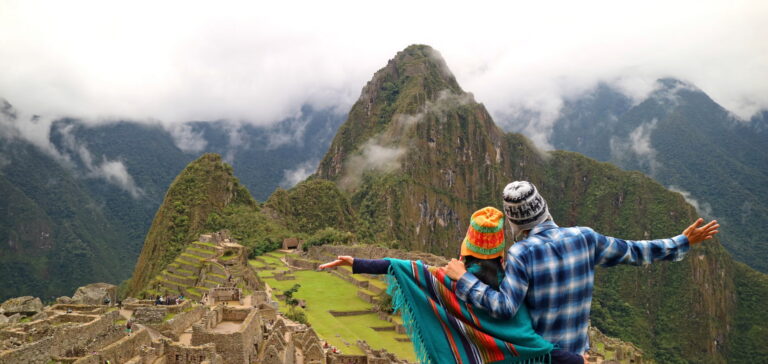
On the final day, you’ll enjoy a guided tour of Machu Picchu and have free time to explore on your own. The Lares Trek is a perfect choice for those seeking a deeper cultural experience and an alternative route to one of the world’s most iconic destinations.
Join us on the Lares Trek and experience a truly authentic Incan adventure. Discover the ancient paths, vibrant culture, and breathtaking landscapes with Authentic Incan Adventures.
Full itinerary
Day 1: Cusco – Lares – Huacawasi
Departure from Cusco to Lares
We depart early from Cusco by tourist transport to the town of Lares, a trip of approximately 3.5 hours. Upon arrival, you’ll have time to enjoy the Lares hot springs and have lunch by the thermal pools.
Hike to Huacawasi
After relaxing in the hot springs, we begin our hike to Huacawasi, a small Andean community where we’ll camp for the first night. During the hike, you’ll enjoy the unique landscapes of the region, with deep valleys and snow-capped peaks.
Day 2: Huacawasi – Ipsay Pass – Patacancha
Ascent to Ipsay Pass
The second day is the most challenging, as we ascend to the Ipsay Pass at an altitude of 4,400 meters. As we climb, you’ll enjoy breathtaking views of the Andean mountains and lagoons. We’ll have lunch near Ipsaycocha Lagoon, surrounded by stunning landscapes.
Descent to Patacancha
After lunch, we begin our descent to the Patacancha Valley, an Andean community where we’ll camp for the night. Here, you’ll have the chance to learn more about local traditions, including the artisan weaving techniques practiced by the women of the community.
Day 3: Patacancha – Ollantaytambo – Aguas Calientes
Hike to Ollantaytambo
In the morning, we begin our descent towards Ollantaytambo, passing through beautiful valleys filled with Inca agricultural terraces and small communities. The landscape changes from mountains to greener valleys as we approach the Sacred Valley.
Train to Aguas Calientes
From Ollantaytambo, we take the train to Aguas Calientes, the town at the base of Machu Picchu. We’ll arrive in Aguas Calientes in the afternoon, where you can rest in a hotel and enjoy dinner at a local restaurant.
Day 4: Aguas Calientes – Machu Picchu – Cusco
Guided Tour of Machu Picchu
At dawn, we take the bus from Aguas Calientes up to Machu Picchu. You’ll enjoy a guided tour of approximately 2 to 3 hours, exploring the main points of interest in the citadel, including the Temple of the Sun, the Intihuatana, and the agricultural terraces.
Free Time in Machu Picchu and Return to Cusco
After the guided tour, you’ll have free time to explore Machu Picchu on your own. Later, we’ll descend to Aguas Calientes to take the train back to Ollantaytambo, where a private transport will take you back to Cusco, arriving between 7:00 and 9:00 p.m.
What is included
- Private transport from Cusco to Lares and return from Ollantaytambo to Cusco
- Train tickets from Ollantaytambo to Aguas Calientes and back
- Round-trip bus between Aguas Calientes and Machu Picchu
- Entrance fee to Machu Picchu
- Professional bilingual guide (Spanish-English)
- All camping equipment (tents, sleeping mats)
- Porters and muleteers to carry equipment
- All meals during the trek (breakfast, lunch, and dinner)
- Hotel night in Aguas Calientes (Day 3)
Not included
- Sleeping bag (available for rent)
- Trekking poles (optional)
- Lunch and dinner on Day 4 in Aguas Calientes
- Travel insurance
- Personal expenses
- Tips for guides, porters, and cooks (optional)
Frequently asked questions
1. Is acclimatization required before the Lares Trek?
Yes, spending at least two days in Cusco before starting the Lares Trek is highly recommended. It helps you adapt to the altitude and avoid discomfort.
2. How difficult is the Lares Trek to Machu Picchu?
The Lares Trek is a moderate trek with some steep sections, especially near Ipsay Pass. Proper preparation and a slow pace make it manageable for most hikers.
3. What is the highest point on the Lares Trek?
The highest point on the Lares Trek is Ipsay Pass at 4,400 meters. It offers stunning views of the Andes and nearby lagoons. If you're looking for a more remote challenge after Lares, consider hiking to Choquequirao, another impressive Inca site.
4. Do I need a permit for the Lares Trek?
Unlike the Inca Trail, the Lares Trek does not require a special hiking permit. However, you will need an entrance ticket for Machu Picchu.
5. Is the Lares Trek less crowded than the Inca Trail?
Yes, the Lares route is ideal for travelers seeking a quieter experience. You’ll walk through isolated villages, far from tourist crowds and commercial paths.
6. Can I combine the Lares Trek with a visit to Machu Picchu?
Absolutely. The Lares Trek ends with a scenic train ride to Aguas Calientes and a guided visit to the iconic Machu Picchu the next morning.
7. What kind of accommodation is included during the trek?
During the Lares Trek, you’ll camp in scenic spots near Andean villages. On the third night, you’ll stay in a hotel in Aguas Calientes before visiting Machu Picchu.
8. Are meals included during the Lares Trek?
Yes, nutritious Andean meals are prepared by a cook traveling with the group. Meals are included throughout the Lares Trek, with vegetarian options available.
9. What should I pack for the Lares Trek?
Pack warm clothes, a sleeping bag, hiking boots, and a reusable bottle. Temperatures on the Lares Trek can vary greatly between day and night.
10. Is drinking water available during the Lares Trek?
Yes, boiled or filtered water is provided during meals. We also recommend bringing water purification tablets for extra peace of mind on the Lares route.
11. Are guides provided for the Lares Trek to Machu Picchu?
Yes, a certified bilingual guide will accompany you throughout the Lares Trek and during your visit to Machu Picchu, sharing history and cultural insights.
12. Is travel insurance required for this trek?
While not mandatory, we strongly recommend travel insurance for any multi-day trek in the Andes, including the Lares Trek and extensions to Machu Picchu or Rainbow Mountain.
13. What makes the Lares Trek unique compared to other hikes?
The Lares Trek stands out for its cultural immersion. You’ll walk through Quechua communities and learn firsthand about traditional weaving and highland life.
14. Is altitude sickness common on the Lares Trek?
Yes, especially near Ipsay Pass. We recommend arriving in Cusco early and drinking coca tea to help adapt before starting the Lares route to Machu Picchu.
15. What is the best time of year for the Lares Trek?
The dry season (May to September) is the best time for the Lares Trek, offering clear skies and safer trails. This also aligns with the best months to visit Machu Picchu.
16. Are children or older adults allowed on the Lares Trek?
Yes, as long as they are in good health. The Lares Trek is suitable for active families or older travelers seeking a culturally rich alternative to the Inca Trail.
17. Can I rent trekking equipment in Cusco for the Lares Trek?
Yes, you can rent sleeping bags, trekking poles, and other gear in Cusco. Many Lares Trek tour operators offer rental packages or referrals to trusted shops.
18. How long does it take to reach Machu Picchu from the last camp?
After camping in Patacancha, you hike to Ollantaytambo, take a train to Aguas Calientes, and visit Machu Picchu early the next morning.
19. Is the Lares Trek suitable for solo travelers?
Yes, solo travelers often join small groups on the Lares Trek. It’s a great way to meet people while safely experiencing remote areas of the Andes.
20. Can I extend my trip after the Lares Trek to visit other places?
Absolutely. Many travelers add day hikes to Rainbow Mountain or even a multi-day trek to Choquequirao after finishing the Lares Trek to Machu Picchu.
Recommendations and what to bring
What to Bring:
- Layered trekking clothing (warm layers for cold nights and lighter clothing for the day)
- Hat, gloves, and scarf for the cold, especially for Ipsay Pass
- Sunscreen, sunglasses, and a hat for sun protection
- Reusable water bottle and energy snacks
- Small daypack (porters will carry the heavy equipment)
Recommended Footwear:
- Waterproof trekking boots with good grip, ideal for mountainous and uneven terrain
Local Remedies:
- Coca tea: Very helpful in preventing altitude sickness, especially before crossing Ipsay Pass
- Coca or muña candies: Useful for maintaining energy during the hikes
Pharmaceutical Remedies:
- Acetazolamide (Diamox) to prevent altitude sickness (consult with your doctor before use)
- Pain relievers for headaches or muscle discomfort
Possible Issues During the Tour:
- Altitude Sickness: Mild symptoms are common, especially when crossing Ipsay Pass. It’s recommended to acclimate before the trek and drink coca tea.
- Fatigue: The trek is moderately demanding, so it’s important to go at your own pace and rest as needed.
- Dehydration: Even though the weather can be cold, it’s important to drink enough water to stay hydrated.
Keep exploring
You may also like
Machu Picchu Full Day Tour
Embark on a once-in-a-lifetime adventure with the Machu Picchu Full Day Tour, designed for travelers eager to experience…
Machu Picchu Tour (2 Days / 1 Night)
Machu Picchu is a breathtaking destination that transports visitors to the heart of the Inca Empire. Nestled high…

Short Inca Trail 2025 (2 Days / 1 Night)
We’re ready to sweep you away on the Short Inca Trail, a two-day plunge into Peru’s ancient wonders!…