 English
 Español
 Português


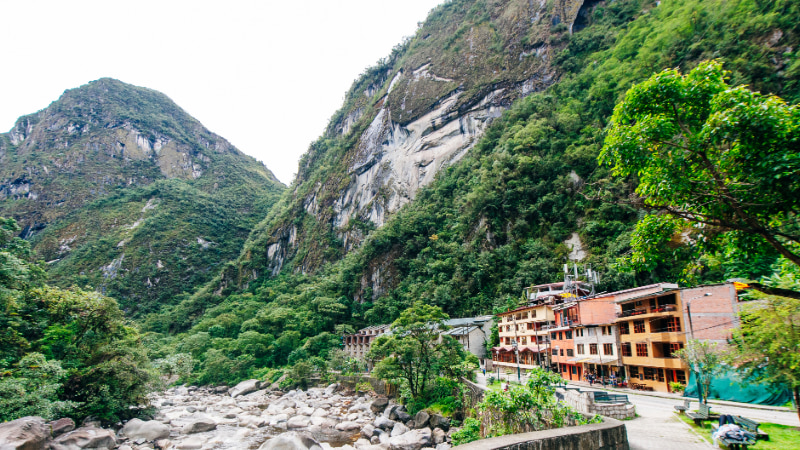
To understand how to get to Machu Picchu, start with this: there is no road to the citadel. Most travelers take the train from Ollantaytambo to Aguas Calientes and then the bus up to the entrance. You can also arrive via the Hidroeléctrica route or on foot along the Inca Trail.
We are a local tour operator based in Cusco. In this guide we explain each option, how entrance tickets work and how many days to set aside for the visit.
How to Get to Machu Picchu: Overview of Your Options
Machu Picchu sits at about 2,430 m (roughly 7,970 ft), above the town of Aguas Calientes, which is the arrival point for almost every route. From there, the last stretch is by bus or on foot. This table sums up the alternatives by time and budget.
| Option | How it works | Approximate time | Best for |
|---|---|---|---|
| Train to Aguas Calientes | PeruRail or Inca Rail, mostly from Ollantaytambo; then the bus to the entrance | About 1 h 45 min by train from Ollantaytambo + 25–30 min by bus | Travelers who want comfort and little physical effort |
| Hidroeléctrica route | Drive via Santa María and Santa Teresa, then walk about 10 km (6 miles) along the railway | Several hours by car + 2–3 h on foot | Travelers with time and a tight budget |
| Inca Trail | Permit-only hike: the 4-day classic or the 2-day short trail; you arrive through Inti Punku | 2 or 4 days | Those who want to arrive on foot along the historic route |
| 1-day train tour | Round trip from Cusco on the same day | A full, long day | Travelers short on time |
| 2-day train tour | A night in Aguas Calientes and an unhurried visit | 2 days and 1 night | Those who prefer a slower pace |
Whichever way you go, you need a Machu Picchu entrance ticket bought in advance. If you take the Inca Trail, you also need a trekking permit. We explain both below.
How to Get to Machu Picchu by Train to Aguas Calientes
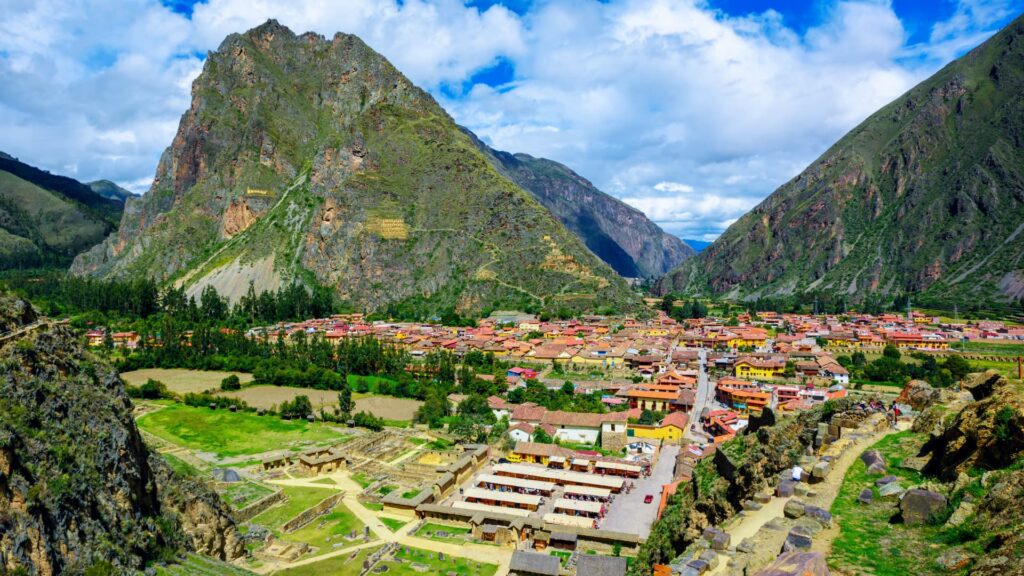
The train is the most popular and most comfortable way to go. Two companies, PeruRail and Inca Rail, run the route to Aguas Calientes. The most common departure point is Ollantaytambo, in the Sacred Valley, with a ride of about 1 h 45 min along the Urubamba River.
From the Cusco area there are also PeruRail departures from Poroy station, or a bimodal service that combines a bus leg and a train leg, depending on the season. In the rainy season trains usually leave from Ollantaytambo, so check where your train departs from when you buy your ticket.
Many travelers explore the Sacred Valley before catching the train. Read our post on Ollantaytambo, the living Inca town. To tour the valley, take a look at our Sacred Valley VIP tour.
A few train tips:
- Book tickets in advance, especially from June to October, and match your train schedule to your Machu Picchu entry time.
- Trains have luggage limits: bring a small backpack and leave your large suitcase at your hotel in Cusco.
The Bus from Aguas Calientes to the Machu Picchu Entrance
Aguas Calientes is the town at the foot of the citadel. From there, Consettur buses climb a zigzag road to the Machu Picchu entrance in about 25 to 30 minutes. The bus ticket is sold separately from the entrance ticket, and early in the morning there is usually a line, so get to the bus stop with time to spare so you don’t miss your entry slot.
The other option is to walk up. It is a steep climb on stone steps that calls for good fitness. If you decide to hike, start early, carry water and plan your time carefully to make your entry slot.

Machu Picchu Tickets and Circuits: How They Work
Before you think about trains or buses, secure your entrance ticket. Tickets are bought in advance on the official Ministry of Culture platform and are sold by circuit and by entry time. They are personal: they carry your name and passport number, and you must show the same passport at the gate. In high season, from June to October, they sell out 2 to 4 months ahead.
You can’t wander freely: the citadel is visited along circuits with a set direction. The system includes panoramic, classic and royal-area circuits, and the routes within each one change with the season. That is why we don’t give circuit or route numbers here: confirm them when you book.
Some mountains have their own separate quotas and are seasonal, such as Huayna Picchu or Machu Picchu Mountain. If you want to climb one of them, book it together with your entrance ticket, because spots are few. Also, time inside the citadel is limited, so it’s worth going with a guide.
Book with 40%: all our Machu Picchu and Inca Trail tours can be booked by paying 40% online, and the balance is paid when you arrive in Peru. Since tickets and permits sell out, it’s best to book months in advance.
How to Get to Machu Picchu via Hidroeléctrica
The Hidroeléctrica route is the overland alternative to the train. From Cusco you travel by car toward Santa María and Santa Teresa, a drive of several hours on a mountain road that becomes difficult in the rainy season. The car takes you to the hydroelectric plant area, and from there you walk about 10 km (6 miles) along the railway, 2 to 3 hours, to Aguas Calientes.
Many budget travelers choose it, but the journey takes almost a full day, so you need to sleep in Aguas Calientes and visit Machu Picchu the next day. The walk is long and follows an active railway: stay alert and walk in daylight.
In the rainy season the drive becomes slower and harder. In those months we recommend the train, which is more predictable.

Can You Hike to Machu Picchu?
Yes, and it is the most special way to arrive. The historic route is the Inca Trail, which ends at Inti Punku, the Sun Gate, where you get your first view of the citadel. There are two versions:
- Classic Inca Trail (4 days): about 42 km (26 miles) from Km 82, crossing Warmiwañusca Pass at about 4,215 m (13,830 ft) and passing the terraces of Wiñay Wayna. It is challenging. We run it as our 4-day Classic Inca Trail, from US$650.
- Short Inca Trail (2 days): it starts at Km 104, passes Wiñay Wayna and the Sun Gate (Inti Punku), and you spend the night in Aguas Calientes. Moderate difficulty. See our 2-day Short Inca Trail, from US$450.
The Inca Trail requires a permit that only authorized agencies can buy. It is personal, issued in your name with your passport, and there are limited daily spots that include guides and porters. The trail also closes for all of February for maintenance. We cover it in detail in our Inca Trail to Machu Picchu guide, and you can see every departure in our Inca Trail tours.
If you can’t get a permit or prefer quieter routes, some treks don’t need one. The 4-day Lares Trek (from US$450) visits Andean communities and ends at Machu Picchu, and the Salkantay trek is another well-known way to arrive on foot.
How Many Days for Machu Picchu: Full Day or 2 Days?
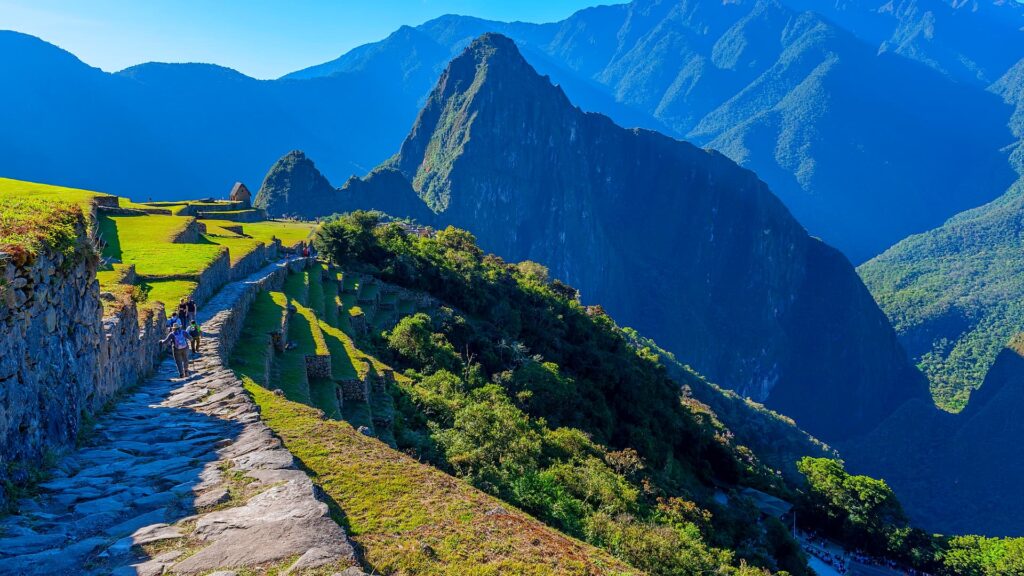
If you are not hiking, the key question is whether to visit in one day or two. Both options work; it depends on your time and your pace.
Full day (1 day). You leave Cusco early, travel by train, visit the citadel and return the same day. It suits travelers with only a few days in Cusco, but it is a long day with many hours of travel. Our Machu Picchu full-day tour by train starts at US$300.
2 days and 1 night. You take the train, sleep in Aguas Calientes and visit Machu Picchu at a calmer pace, without rushing to catch the train back. It is our recommendation if your itinerary allows it. Our 2-day Machu Picchu tour starts at US$350 and includes breakfast on day two.
You can compare every option in our Machu Picchu tours section.

What Is the Best Time to Visit Machu Picchu?
Machu Picchu can be visited year-round. The dry season, roughly April to October, brings clearer days and trails in better shape, which is why June to October is high season: there are more visitors and tickets sell out sooner.
The rainy season, November to March, brings very green landscapes but more clouds. In those months trains usually leave from Ollantaytambo and the Hidroeléctrica route is less advisable. Remember that the Inca Trail closes in February; Machu Picchu, however, stays open, and you can still get there by train.
Tips for Your Visit to Machu Picchu
- Original passport: your entrance ticket, train ticket and permits are in your name. Bring the same passport you booked with.
- Altitude: Machu Picchu is lower than Cusco, but it’s still wise to spend a day or two in Cusco or the Sacred Valley first. Read our guide on altitude sickness in Peru and on Cusco’s altitude.
- Timing: your ticket has a set entry time. Plan your train and bus backward from it so you arrive on time, and leave room for the bus line.
- Pack light: bring a small backpack with water, a rain jacket, sunscreen, insect repellent and a warm layer.
- Comfortable shoes: there are many stone stairs inside the citadel.
To plan the rest of your trip, check our tips for traveling to Cusco.
Frequently Asked Questions
Can you drive to Machu Picchu?
Not all the way to Aguas Calientes. The closest you can get by vehicle is the Hidroeléctrica area; from there you continue on foot. The other way to reach the town is by train.
Can you visit Machu Picchu in one day from Cusco?
Yes. On a full-day train tour you go and come back the same day. It is a long day, but it is the best option if you are short on time.
How far in advance should you buy tickets?
In high season, June to October, 2 to 4 months ahead. If you are hiking the Inca Trail, book even earlier, because May to August permits are the first to sell out.
Can I climb Huayna Picchu?
Yes, but it has a separate, small and seasonal quota. Book it together with your entrance ticket and check when buying whether it is available on your date.
Where should you stay before visiting Machu Picchu?
Staying in Aguas Calientes puts you at the foot of the citadel and lets you visit without rushing. Ollantaytambo is also a good base if your train leaves from there early.
How do I book a Machu Picchu tour?
Choose your tour on our website and book by paying 40% online; the balance is paid when you arrive in Peru. If you have questions, write to us.
To plan your trip, read our guide: Peru Itinerary 2027: 7 to 10 Days with Machu Picchu, Lake Titicaca and Arequipa.
To plan your trip, read our guide: Train to Machu Picchu 2027: PeruRail vs Inca Rail, Stations and Tips.
Choose Your Way to Get There
The train is the most comfortable option, Hidroeléctrica the overland alternative and the Inca Trail the most special. What matters is securing your entrance ticket first and, if needed, your permit, and then building the trip around that date.
Take a look at the 2-day tour, the full-day tour or the Classic Inca Trail, or contact us and we’ll help you choose.


