 English
 Español
 Português


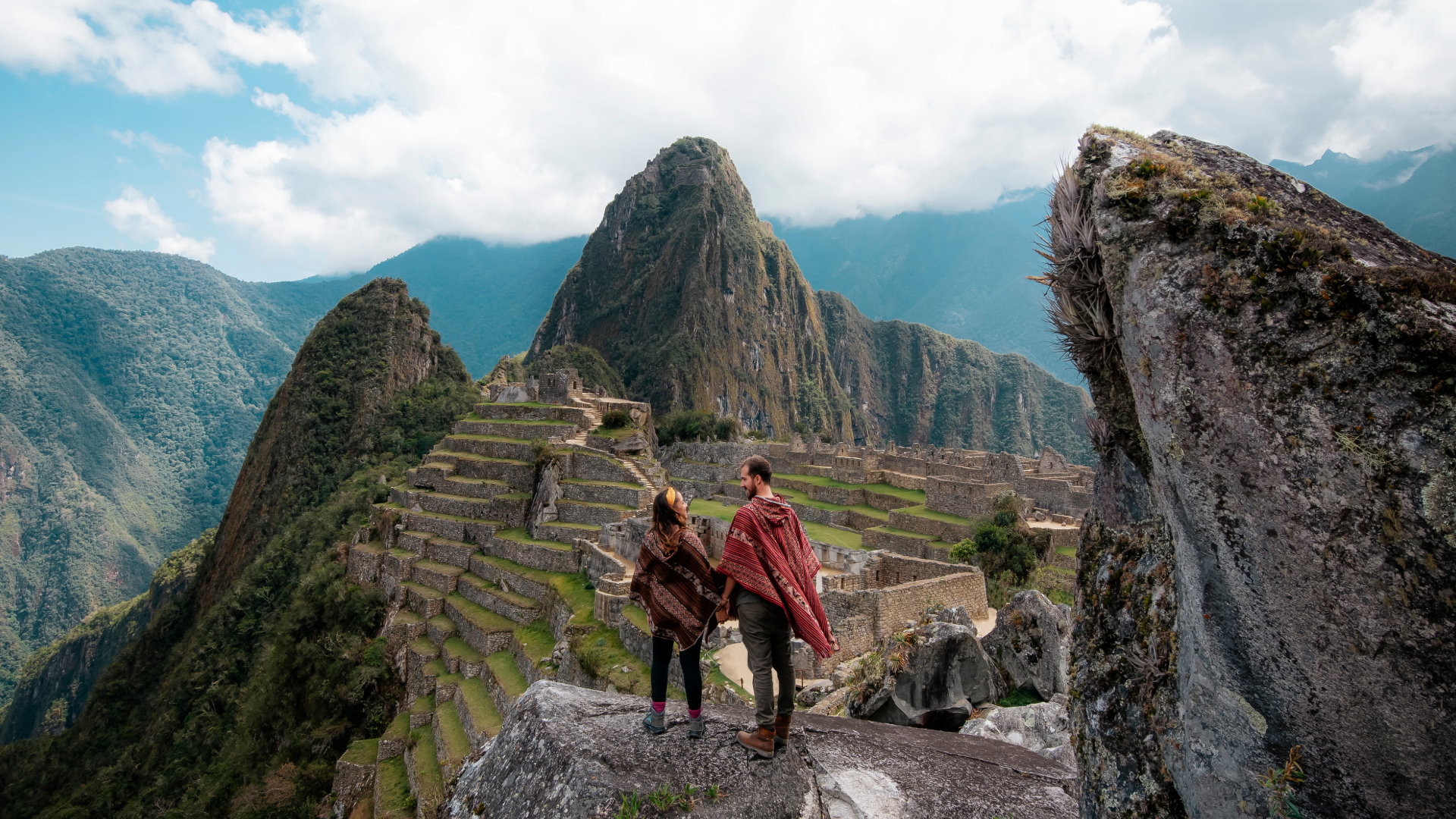
Is Peru safe? Yes, as long as you take the same precautions you would in any major travel destination. The most visited routes, including Lima, Cusco, the Sacred Valley, Machu Picchu, Arequipa and Puno, welcome millions of travelers. The most common risks are petty theft, unofficial taxis and the altitude, and all of them can be prevented.
We are a local agency based in Cusco, and we welcome travelers from all over the world throughout the year. In this guide we tell you honestly what precautions to take in each destination, how to avoid the most frequent problems and what to do if something goes wrong. No alarmism, but no “nothing ever happens” either.
Is Peru Safe to Visit in 2027?
The short answer is yes. The vast majority of travelers explore Peru without any incident. Tourist areas are busy at all hours, hotels and restaurants are used to hosting visitors, and there is a police presence in the most crowded places.
The longer answer is that Peru, like any country, has its risks. The problems we see most often are not serious, but they can ruin a day of your trip: a phone snatched in a market, an unofficial taxi that overcharges, or a bad headache from going up to Cusco without acclimatizing. All of this can be avoided with good information and some common sense.
One important tip: don’t rely only on headlines or on travel advisories you read months ago. Things change, and the most useful thing you can do is check local news a few days before your trip and ask your agency or hotel.
Safety in Lima, Cusco and Machu Picchu
Lima
Most travelers stay in Miraflores or Barranco, lively neighborhoods with a clifftop boardwalk, restaurants and nightlife. You can walk around comfortably there during the day and in busy areas at night. As in any big capital, avoid unfamiliar neighborhoods after dark, don’t show off valuables and use ride-hailing apps to move between districts.
Cusco
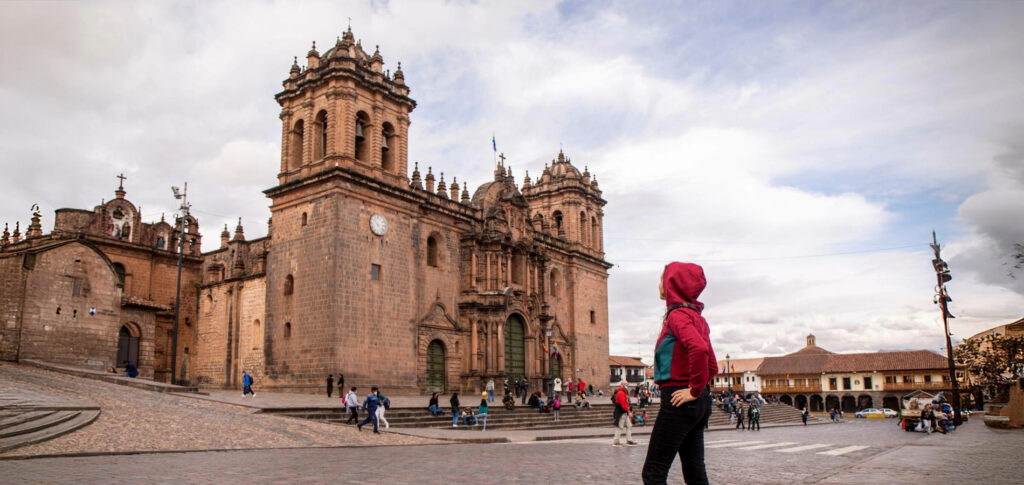
Cusco is a small and very touristy city. The historic center, the Plaza de Armas and neighborhoods like San Blas are full of travelers almost all day. The main risk is petty theft in markets, bus terminals and crowded places, especially in high season and during festivals. At night, walk back to your hotel along well-lit streets or take a taxi called by your hotel.

An easy way to get to know the city on your first day is our Cusco City Tour, with hotel pickup and a guide who can tell you which areas are best to explore on your own.
The Sacred Valley and Machu Picchu
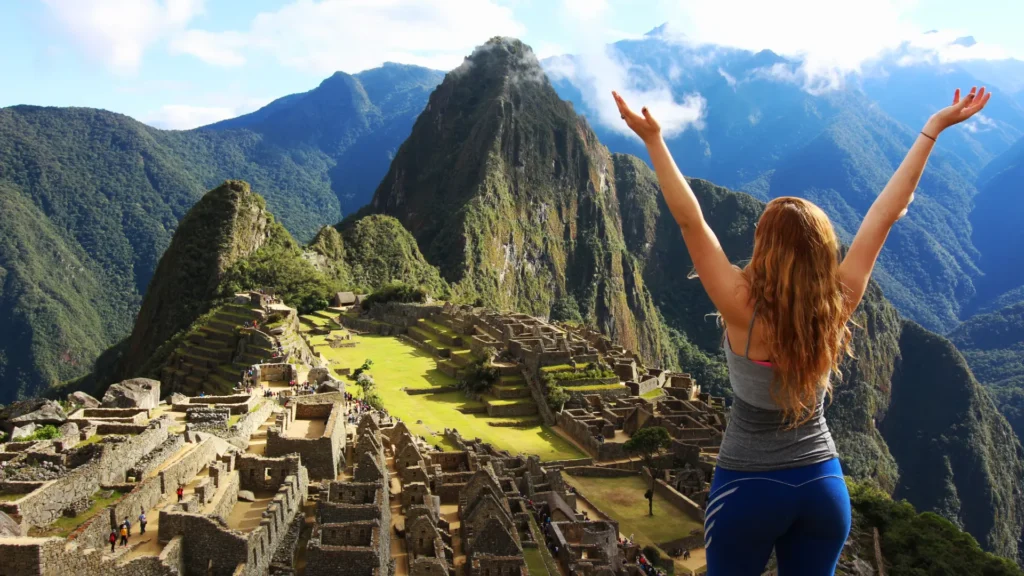
The Sacred Valley and Machu Picchu are among the calmest places on your trip. Access to the citadel is controlled, with entry times and set circuits, and sanctuary staff make sure the rules are followed. Here the risks have more to do with slipping on stone steps, strong sun or rain than with crime. If you’re not sure how to plan the trip, read our guide on how to get to Machu Picchu.
Arequipa and Puno
Arequipa has an orderly historic center that is pleasant to explore on foot. In Puno and on Lake Titicaca, the main challenge is the altitude, which is even higher than in Cusco. The same precautions apply in both cities: stay alert in terminals and markets, and use safe taxis.
Practical Safety Tips for Peru: Money, Taxis and Your Phone
These are the most common risks for travelers in Peru and how to avoid them:
| Risk | Where it usually happens | How to prevent it |
|---|---|---|
| Petty theft | Markets, terminals, fairs and crowded places | Wear your backpack in front, keep nothing in back pockets and watch out for distractions |
| Unofficial taxis | Outside airports and terminals, and on the street at night | Use ride-hailing apps or taxis called by your hotel |
| Phone snatching | Sidewalks, bus stops and café tables on the street | Don’t use it at the curb or leave it on the table |
| Card fraud | Street ATMs | Use ATMs inside banks or shopping malls |
| Altitude sickness | Cusco, Puno and high-altitude hikes | Acclimatize, drink water and go up gradually |
Money and cards
- Safe ATMs: withdraw cash from ATMs inside banks or shopping malls, preferably during the day.
- Split your cash: carry only what you need for the day and leave the rest in your hotel safe.
- Currency exchange: change money at exchange offices or banks, not with street money changers if you don’t know how it works.
Taxis and transportation
This is one of the tips we repeat most often: don’t hail unofficial taxis on the street, especially when you arrive at the airport or a bus terminal, or at night. Use ride-hailing apps or ask your hotel or restaurant to call one for you. For long trips between cities, choose established bus companies and never let your main bag out of your sight.
Phone, documents and valuables
Be careful with your phone on the street: use it close to a wall or inside a shop, not at the edge of the sidewalk. Keep a digital copy of your passport and carry the original only when you need it, for example to enter Machu Picchu. In restaurants, hang your bag on your chair or keep it between your feet.
Health in Peru: Altitude, Water and Food
For most travelers, the most frequent “risk” in Cusco has nothing to do with crime: it’s the altitude. Cusco sits at about 3,400 m (11,150 ft), and many people fly in from sea level in just over an hour. It’s normal to feel a headache, tiredness or shortness of breath during the first days.
- Altitude: take it easy on your first day, eat light and drink water. Check our Cusco elevation guide to see how high each destination is, and our post on altitude sickness in Peru to learn the symptoms and how to prevent it.
- Water: drink bottled or filtered water and avoid tap water.
- Food: Peruvian food is one of the great joys of the trip, but during the first days be careful with raw food and street food while your stomach adjusts.
- Sun: in the Andes the sun is strong even when it’s cold. Wear sunscreen, sunglasses and a hat.
If you have a pre-existing medical condition, talk to your doctor before traveling to high altitude.
Safe Tours and Hikes: How to Choose an Operator
On excursions and hikes, safety depends a lot on who you travel with. Choose formally registered operators with professional guides, well-maintained equipment and a clear emergency plan. Be wary of prices that seem too low, offered on the street with no information about who actually runs the tour.
On steep trails, always follow the instructions of your guide and the site staff. A good example is the climb up Huayna Picchu: an Inca path of very steep steps, with narrow sections and support cables, where it’s best to go slowly and not stop at the edges for photos.
Travel with a local agency: we pick you up at your hotel, travel with guides who speak English, Spanish and Portuguese, and carry a first-aid kit and oxygen on high-altitude hikes. Book by paying 40% online and pay the balance when you arrive in Peru.
Protests, Weather and Earthquakes: What to Do
Strikes and protests
Peru sometimes has strikes or protests that can close roads or affect the train service to Machu Picchu. They are usually announced in advance. If one coincides with your trip, stay away from demonstrations, follow local news and keep in touch with your agency, which can reschedule or find alternatives. That’s why it’s a good idea to leave a free day in your itinerary.
Weather and the rainy season
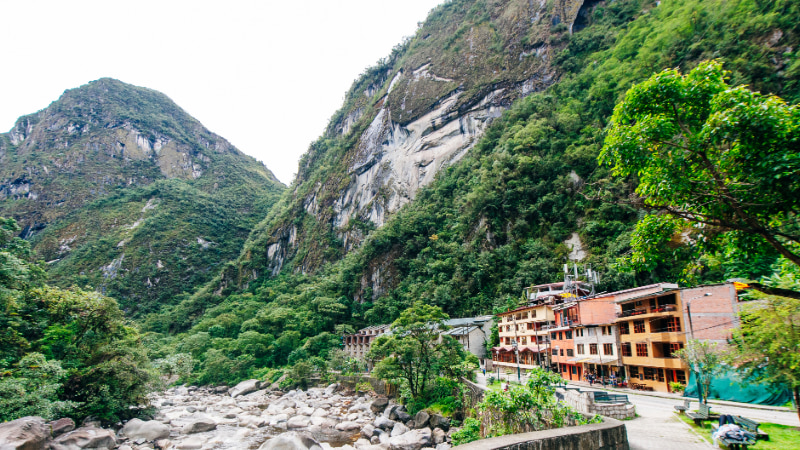
In the Andes, the rainy season brings slippery trails and, at times, delays on roads or on the train. Bring a waterproof jacket and shoes with good grip, and follow your guide’s instructions if the route changes.
Earthquakes
Peru is an earthquake zone. In hotels and public buildings you’ll see safe zone signs and evacuation routes. When you check in, note where they are, and if you feel a tremor, stay calm and follow those signs.
Is Peru Safe for Solo Female Travelers and Families?
Yes. Many women travel solo in Peru, and many families explore Cusco and Machu Picchu with children. Some general tips:
- If you travel solo: share your itinerary with someone you trust, choose well-reviewed accommodation, watch your drink in bars and take safe taxis back at night.
- If you travel with family: plan quieter days for acclimatization, bring snacks and water for the kids, and agree on a meeting point in crowded places.
- In both cases: organized tours help a lot, because transportation, timing and the guide are already taken care of.
If you’re planning your route, our 7 to 10 day Peru itinerary helps you order the destinations so you can acclimatize gradually.
Frequently Asked Questions
Is Cusco safe for tourists?
Yes. Cusco is one of the most visited cities in the country and you can explore it with peace of mind. Watch your belongings in markets and crowded places, use safe taxis at night and take your time acclimatizing to the altitude.
What is the emergency number in Peru?
The police number is 105. Tourist cities also have a Tourist Police force that assists visitors. If you have any problem, let your hotel and your agency know as well.
Do I need travel insurance for Peru?
We strongly recommend it, especially if you plan high-altitude hikes. Choose a policy that covers medical care and cancellations. Travel insurance is not included in our tours.
Can you drink tap water in Peru?
It’s not recommended. Drink bottled or filtered water, and use it to brush your teeth during the first days if you have a sensitive stomach.
What happens if there is a strike during my trip?
Stay informed through local news, avoid protest areas and follow your agency’s advice. If a strike affects a tour or the train, we’ll work with you to find the best alternative.
Is it safe to hike Machu Picchu and Huayna Picchu?
Yes, if you follow the rules and stay on the marked paths. Huayna Picchu is steep and narrow in some sections, so it’s not recommended if you suffer from vertigo. Wear shoes with good grip and climb at your own pace.
Travel to Peru with Peace of Mind
Peru is easy to enjoy when you arrive well informed: watch your belongings in crowded places, use safe taxis, respect the altitude and choose registered operators for your tours. The rest is simply enjoying Cusco, the Sacred Valley and Machu Picchu.
If you’d like to travel with local guides, our 2-day Machu Picchu tour includes hotel pickup and a guide in your language. And if you have questions about the situation before your trip, write to us: we’ll tell you how things are in Cusco. Book with 40% online and pay the balance when you arrive in Peru.


