English
 Español
 Português


The Lares Trek is a 4-day route to Machu Picchu that crosses the Andes through Quechua weaving communities, far from the crowds of the Inca Trail. Its highest point is Ipsay Pass, at about 4,450 m (14,600 ft); it is rated moderate, it needs no special permit and it ends with the train from Ollantaytambo and a guided visit to Machu Picchu.
We are local guides based in Cusco and we run this route every season. Several treks carry the Lares name, because they all start in or cross the Lares Valley. Here we explain the one we do, day by day: how hard it is, what you see, what is included and when to go.
Lares Trek at a Glance
| Fact | Details |
|---|---|
| Duration | 4 days / 3 nights: 3 days of trekking and 1 day at Machu Picchu |
| Start | The town of Lares, about 3.5 hours by road from Cusco |
| Highest point | Ipsay Pass, about 4,450 m (14,600 ft) |
| Difficulty | Moderate, with steep stretches near Ipsay Pass |
| Permit | None. You only need the Machu Picchu ticket, which is included |
| Nights | 2 nights camping near Andean communities and 1 in a hotel in Aguas Calientes |
| How you reach Machu Picchu | Train from Ollantaytambo to Aguas Calientes, then bus up to the citadel |
| Best season | April to October, the dry season |
| With us | Lares Trek 4 days / 3 nights, groups of 8 to 12 people: US$450 |
What Is the Lares Trek?
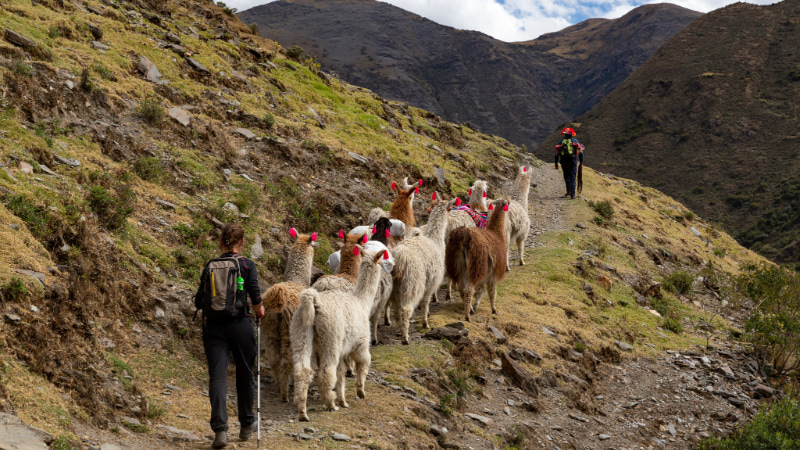
It is a high-mountain trek that links the Lares Valley with the Sacred Valley. Instead of Inca ruins along the way, as on the Inca Trail, its highlights are the landscapes of lakes and snow-capped peaks and the life of the communities: Quechua families who farm, herd llamas and alpacas and weave by hand, as they have for generations.
Our route goes from Lares to Huacawasi, crosses Ipsay Pass, descends to the Patacancha Valley and reaches Ollantaytambo, where you take the train to Machu Picchu. Other versions of the Lares Trek cross other passes and communities; if you compare tours, check the route of each one.
The Lares Trek Day by Day
Approximate elevations. The highest point is marked in red. See the tour from US$450
Day 1: Cusco – Lares – Huacawasi
We leave Cusco early and drive about 3.5 hours to Lares, at about 3,200 m (10,500 ft). On arrival you have time to enjoy the Lares hot springs and have lunch by the thermal pools. Then we hike to Huacawasi, a small Andean community at about 3,750 m (12,300 ft), where we camp for the first night.
Day 2: Huacawasi – Ipsay Pass – Patacancha
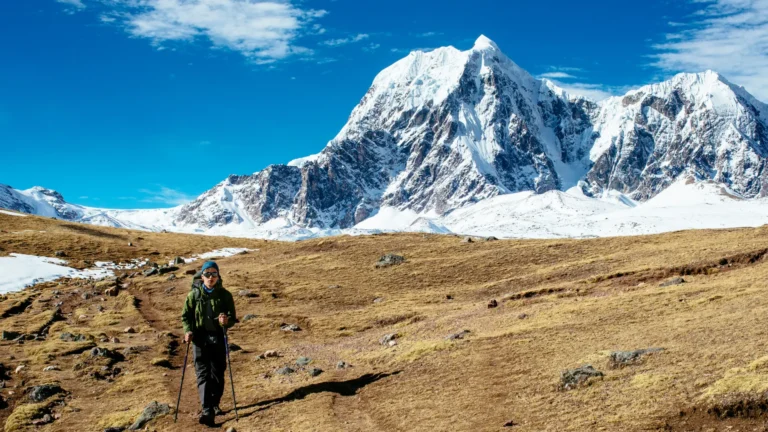
The most challenging day. We climb to Ipsay Pass, at about 4,450 m (14,600 ft), with views of Andean peaks and lakes, and have lunch near Ipsaycocha Lake. In the afternoon we descend into the Patacancha Valley, to a community at about 3,700 m (12,100 ft) where we camp and where the women keep up the tradition of handweaving.
Day 3: Patacancha – Ollantaytambo – Aguas Calientes
We head down toward Ollantaytambo, at about 2,800 m (9,200 ft), past valleys with Inca farming terraces and small communities; the landscape turns greener as we approach the Sacred Valley. From Ollantaytambo we take the train to Aguas Calientes, at about 2,040 m (6,690 ft), and sleep in a hotel.
Day 4: Machu Picchu – Cusco
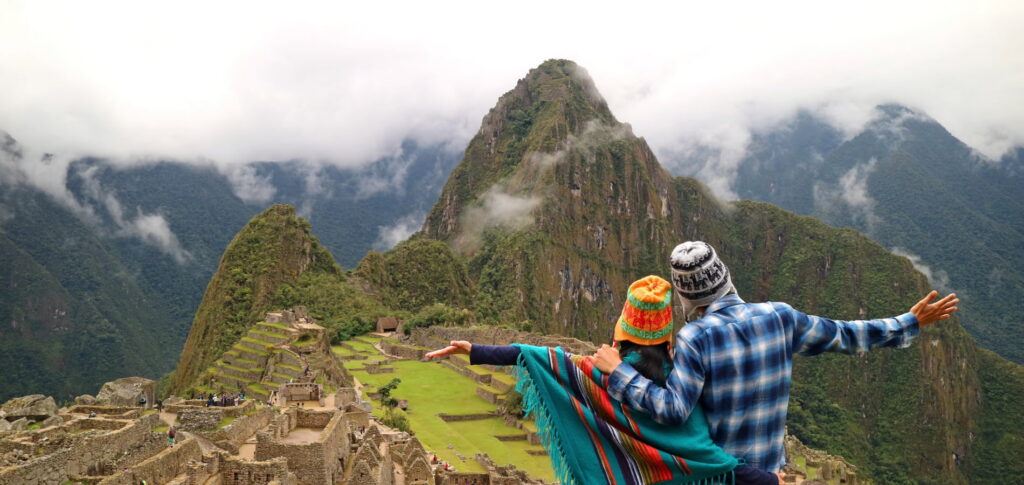
At dawn we take the bus up to Machu Picchu, at about 2,430 m (7,970 ft). The guided tour lasts about 2 to 3 hours and covers the Temple of the Sun, the Intihuatana and the farming terraces. Then you have free time, go down to Aguas Calientes and take the train back to Ollantaytambo, where our transport takes you to Cusco, arriving between 7:00 and 9:00 p.m.
How Hard Is the Lares Trek?
It is a moderate trek. It is not technical, but it is at altitude: the hardest part is the climb to Ipsay Pass on day 2. For many travelers it works well as a first multi-day trek: it is shorter than the 5-day Salkantay Trek and gentler than the 4-day Classic Inca Trail, which we rate as challenging.
- Acclimatize first: spend at least two days in Cusco, at about 3,400 m (11,150 ft), before you start. Our guide to preventing altitude sickness explains how.
- Walk at your own pace: the guide sets a slow pace on the climbs, and the porters carry the heavy load.
- Be ready for the cold: temperatures change a lot between day and night, especially at the camps.
- Who it suits: active travelers in good health, including families and older travelers looking for a cultural alternative to the Inca Trail.
Quechua Communities and Weaving
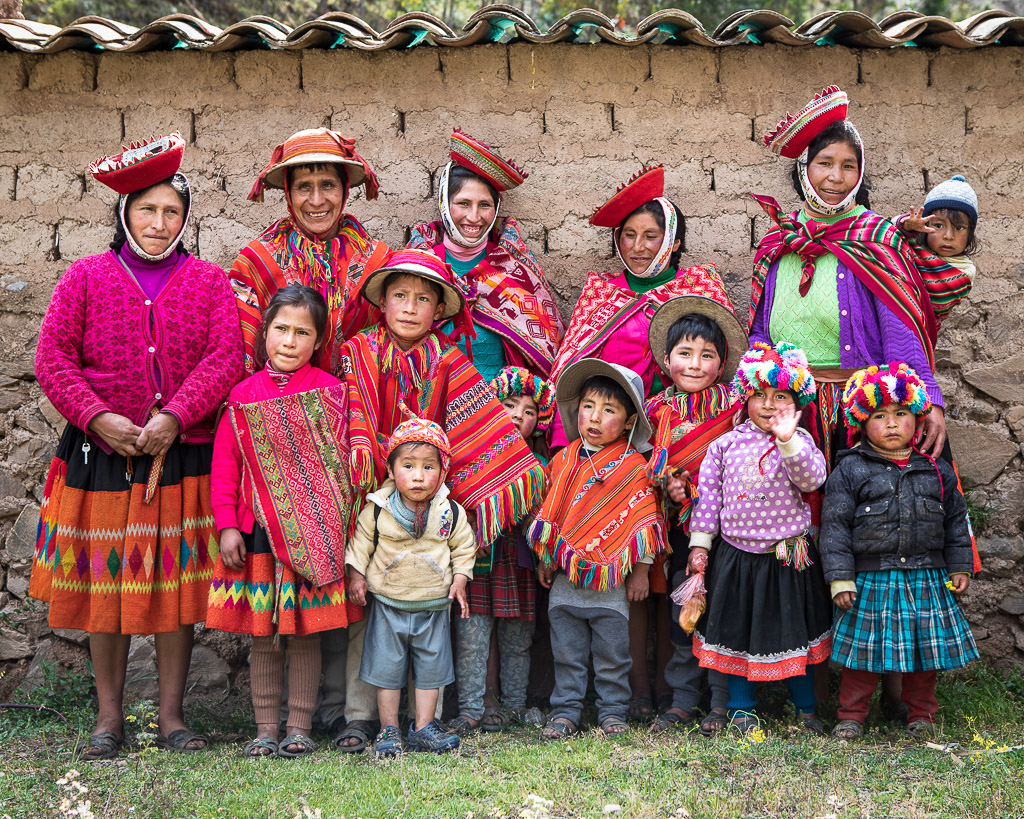
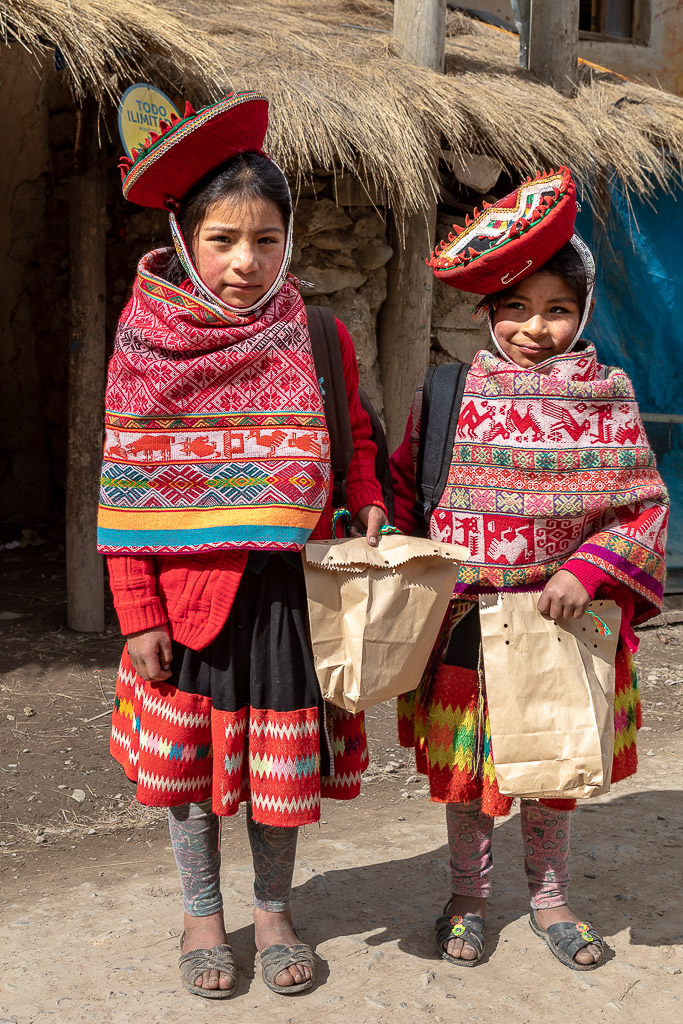
What makes the Lares Trek different is the people. You walk through Quechua communities where daily life follows the rhythm of the fields and the herds. In Patacancha you can learn about the weaving that the women of the community practice by hand, with traditional colors and designs.
Remember to greet people, ask before taking photos and buy directly from the weavers if you want a textile: it is the most direct way to support them.
The Lares Hot Springs
The trek starts with a reward: on day 1, after the drive from Cusco, you have time to bathe in the Lares hot springs and have lunch by the pools before you start walking. Pack a swimsuit and a small towel in your daypack.
Lares Trek, Inca Trail or Salkantay?
| Lares Trek | Classic Inca Trail | Salkantay Trek | |
|---|---|---|---|
| Days | 4 | 4 | 5 |
| Highest point | Ipsay Pass, about 4,450 m | Dead Woman’s Pass, about 4,215 m | Salkantay Pass, about 4,600 m |
| Difficulty | Moderate | Challenging | Moderate to challenging |
| Permit | No | Yes, limited and personal | No |
| How you arrive at Machu Picchu | Train from Ollantaytambo | On foot, through the Sun Gate | Walk from Hidroeléctrica to Aguas Calientes |
| Highlight | Weaving communities and fewer people | Inca paths and ruins | Glaciers, lakes and cloud forest |
| Price with us | US$450 | US$650 | US$550 |
If you can’t decide, our guide Inca Trail, Salkantay or Lares compares them in detail, and our Cusco treks guide puts all the routes side by side.
What Is Included and Who Carries the Gear
- Included: transport from Cusco to Lares and from Ollantaytambo back to Cusco, the train to Aguas Calientes and back, the bus to Machu Picchu and the entrance ticket, a professional guide in English, Spanish or Portuguese, camping equipment (tents and sleeping mats), all meals during the trek and the hotel night in Aguas Calientes.
- Porters and muleteers carry the equipment and up to 15 kg of your gear (sleeping bag and clothes). You only carry a daypack.
- A cook travels with the group and prepares Andean meals, with vegetarian options.
- Not included: sleeping bag and trekking poles (we can rent them to you), dinner on day 3, lunch and dinner on day 4, extra snacks and drinks, travel insurance and tips.
Best Time for the Lares Trek
The best time is the dry season, from April to October: clearer skies and firmer trails, the same months that are best for Machu Picchu. From November to March, the rainy season, the trails are muddier and clouds hide the peaks more often. To choose your month, read our guide to the best time to visit Machu Picchu.
What to Pack for the Lares Trek
- Layered trekking clothes: warm layers for the cold nights and lighter clothing for the day.
- A warm hat, gloves and a scarf, especially for Ipsay Pass.
- Sunscreen, sunglasses and a sun hat.
- A reusable water bottle and energy snacks.
- A small daypack, a swimsuit and a towel for the hot springs.
- Your original passport: you need it for the train and the Machu Picchu entrance.
- Cash in soles for the meals that are not included and small purchases.
Book with 40%: our Lares Trek is booked by paying just US$180 (40%) online; the balance is paid when you arrive in Peru. It needs no Inca Trail permit, but the Machu Picchu tickets are limited, so book as soon as you have your dates.
Treks to Machu Picchu: Prices
| Tour | Days | Price | Pay online (40%) |
|---|---|---|---|
| Lares Trek | 4 | US$450 | US$180 |
| Short Inca Trail | 2 | US$450 | US$180 |
| Salkantay Trek | 5 | US$550 | US$220 |
| Classic Inca Trail | 4 | US$650 | US$260 |
Prices are per person. The balance is paid when you arrive in Peru.
Frequently Asked Questions
Do I need a permit for the Lares Trek?
No. Unlike the Inca Trail, the Lares Trek has no permit quota. You only need the Machu Picchu entrance ticket, which is included in our tour.
Is the Lares Trek harder than the Inca Trail?
No. We rate the Lares Trek as moderate and the Classic Inca Trail as challenging. The Lares Trek reaches a higher pass, Ipsay at about 4,450 m, but the Classic Inca Trail has long hiking days of 5 to 8 hours with many stone steps.
What is the highest point of the Lares Trek?
Ipsay Pass, at about 4,450 m (14,600 ft), on day 2. You have lunch near Ipsaycocha Lake, with views of the Andean peaks.
Does the Lares Trek include Machu Picchu?
Yes. On day 3 you take the train from Ollantaytambo to Aguas Calientes, and on day 4 you visit Machu Picchu with a guide. The train, the bus and the entrance ticket are included.
Where do you sleep on the Lares Trek?
Two nights in tents, near the communities of Huacawasi and Patacancha, and the third night in a hotel in Aguas Calientes.
Can beginners do the Lares Trek?
Yes, if you are in good health and arrive acclimatized. It is a good first multi-day trek. Spend at least two days in Cusco first, and consider our Cusco altitude guide to plan your arrival.
Ready for the Lares Trek? Book our Lares Trek 4 days by paying 40% online, or contact us and we will help you choose your date.