English
 Español
 Português


The best Cusco treks range from one-day hikes such as Rainbow Mountain and Humantay Lake to multi-day routes such as the Inca Trail, Salkantay, Lares, Choquequirao and Ausangate. Only the Inca Trail needs a permit. To enjoy any of them safely, acclimatize in Cusco for at least two days, bring the right gear, hike with a certified guide and choose the dry season, from April to October.
Cusco is not only a cultural destination; it is also a paradise for mountain lovers. In this guide we present the most popular routes and the advice we give our travelers before every departure.
What Are the Best Cusco Treks?
We run 11 hiking routes from Cusco, from a single day to five days. This table puts them side by side with the figures from our own tours, so you can compare them at a glance:
| Trek | Days | Difficulty | Highest point | Reaches Machu Picchu | Permit | Price |
|---|---|---|---|---|---|---|
| Rainbow Mountain | 1 | Moderate | 5,200 m (17,060 ft) | No | No | US$50 |
| Palcoyo | 1 | Easy to moderate | 4,900 m (16,080 ft) | No | No | US$50 |
| Humantay Lake | 1 | Moderate | 4,200 m (13,780 ft) | No | No | US$55 |
| Pallay Punchu | 1 | Moderate | 4,800 m (15,750 ft) | No | No | US$60 |
| Ausangate 7 Lakes | 1 | Moderate to challenging | 4,850 m (15,910 ft) | No | No | US$60 |
| Short Inca Trail | 2 | Moderate | 2,700 m (8,860 ft) | Yes, on foot through the Sun Gate | Yes | US$450 |
| Lares Trek | 4 | Moderate | 4,450 m (14,600 ft) | Yes | No | US$450 |
| Choquequirao Trek | 4 | Challenging | 3,050 m (10,010 ft) | No | No | US$450 |
| Classic Inca Trail | 4 | Challenging | 4,215 m (13,830 ft) | Yes, on foot through the Sun Gate | Yes, limited spaces | US$650 |
| Salkantay Trek | 5 | Moderate to challenging | 4,600 m (15,090 ft) | Yes | No | US$550 |
| Ausangate Trek | 5 | Challenging | 5,200 m (17,060 ft) | No | No | US$600 |
Prices are per person. The highest point is not the only thing that matters: on Choquequirao the hard part is the canyon, which drops to about 1,500 m (4,920 ft) and climbs back up.
Multi-Day Treks from Cusco
Classic Inca Trail (4 Days)
Peru’s most famous route starts at Km 82 and covers about 42 km (26 miles) of original Inca paths. The hardest day is the second, with the climb to Dead Woman’s Pass (Warmiwañusca), about 4,215 m (13,830 ft). On the last morning you reach Machu Picchu through Inti Punku, the Sun Gate. Porters and cooks carry the tents and food, plus up to 15 kg of your gear.
It’s for you if… you want to walk an original Inca path to the citadel, you are fit and you can book months ahead, because permits are limited. See our Classic Inca Trail 4 days and our Inca Trail guide.

Short Inca Trail (2 Days)
It starts at Km 104: you hike about 12 km (7.5 miles), in around 6 hours, past Wiñay Wayna to the Sun Gate, and sleep in a hotel in Aguas Calientes. The next day you tour Machu Picchu at an easy pace. There is no camping and it does not cross the high pass, but it needs a permit too.
It’s for you if… you are short on time or prefer a moderate effort and a bed at night. Details on our Short Inca Trail 2 days.
Salkantay Trek (5 Days)
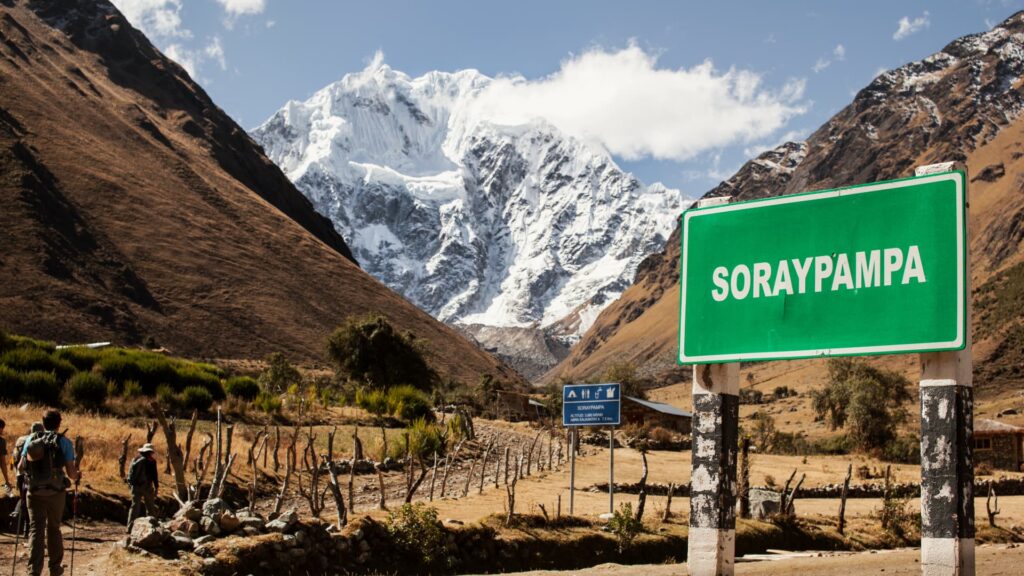
The highest of the routes to Machu Picchu and the one with the most varied scenery. Day 1 goes from Mollepata to Soraypampa and up to Humantay Lake. Day 2 crosses the Salkantay Pass, about 4,600 m (15,090 ft), at the foot of the snow-capped peak. Then you descend into cloud forest, pass Llactapata and walk from Hidroeléctrica to Aguas Calientes; day 5 is Machu Picchu. Muleteers and horses carry the kitchen and tents, and you carry your own belongings. No permit is needed.
It’s for you if… you are active, want glaciers, lakes and jungle in one trip, or couldn’t get an Inca Trail permit. See our Salkantay Trek 5 days and our Salkantay day-by-day guide.
Lares Trek (4 Days)
The most cultural route. It starts at Lares, crosses the Ipsay Pass, about 4,450 m (14,600 ft), and goes down through Patacancha, a valley of weaving communities, to Ollantaytambo, where you take the train to Aguas Calientes. Day 4 is Machu Picchu. Porters and muleteers carry the equipment and up to 15 kg of your gear. It is rated moderate and needs no permit.
It’s for you if… you want your first multi-day trek, fewer people than on the Inca Trail and time with Andean communities. See our Lares Trek 4 days.
Choquequirao Trek (4 Days)
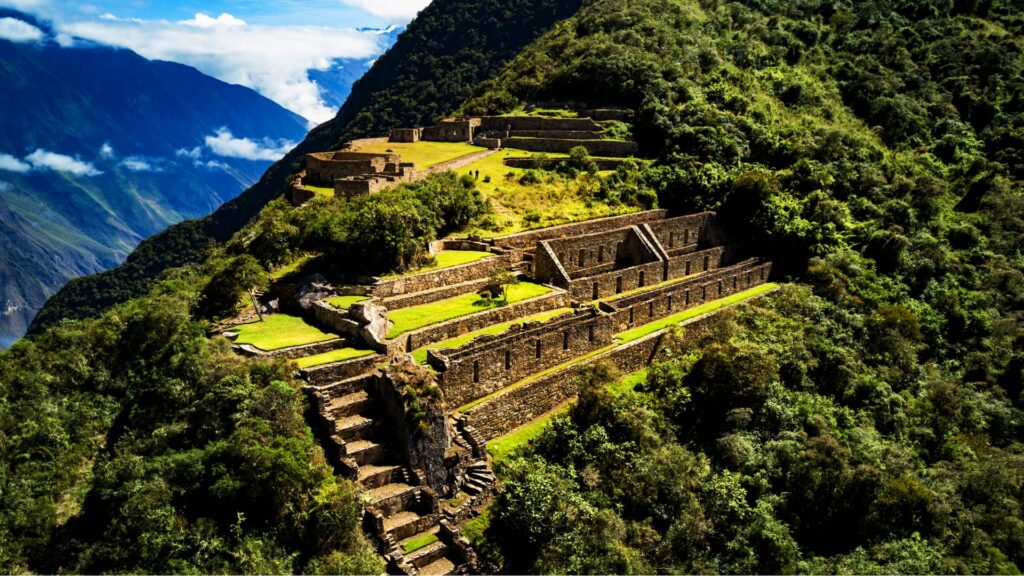
Often called the sister of Machu Picchu, Choquequirao is an Inca citadel that sees far fewer visitors. The trek starts at Capuliyoc, about 2,900 m (9,510 ft), drops into the Apurímac Canyon to about 1,500 m (4,920 ft) and climbs to the citadel at about 3,050 m (10,010 ft). Day 3 is for exploring the site, and you return the same way: roughly 62 km (38.5 miles) in all. It does not include Machu Picchu.
It’s for you if… you are fit, want solitude and don’t mind steep climbs and heat in the canyon. See our Choquequirao Trek 4 days and our guide to how hard the Choquequirao trek is.
Ausangate Trek (5 Days)
The highest route we run. It circles the snow-capped Ausangate from Tinki, past Upis and colorful lakes, over three passes: Arapa, Palomani and Campa. Palomani, about 5,200 m (17,060 ft), is the highest point, and nights drop below freezing. It is a private service for 2 to 10 people, with muleteers, horses and an emergency horse.
It’s for you if… you already have hiking experience at altitude and want the wildest landscapes around Cusco. We don’t recommend it as your first high-altitude hike. See our Ausangate Trek 5 days and our Ausangate guide.
Day Hikes from Cusco
If you only have one day, these hikes leave early from your Cusco hotel and come back the same evening. All of them include transport, breakfast, lunch, a guide and the entrance fee, and the guide carries oxygen and a first-aid kit.
Rainbow Mountain (Vinicunca)
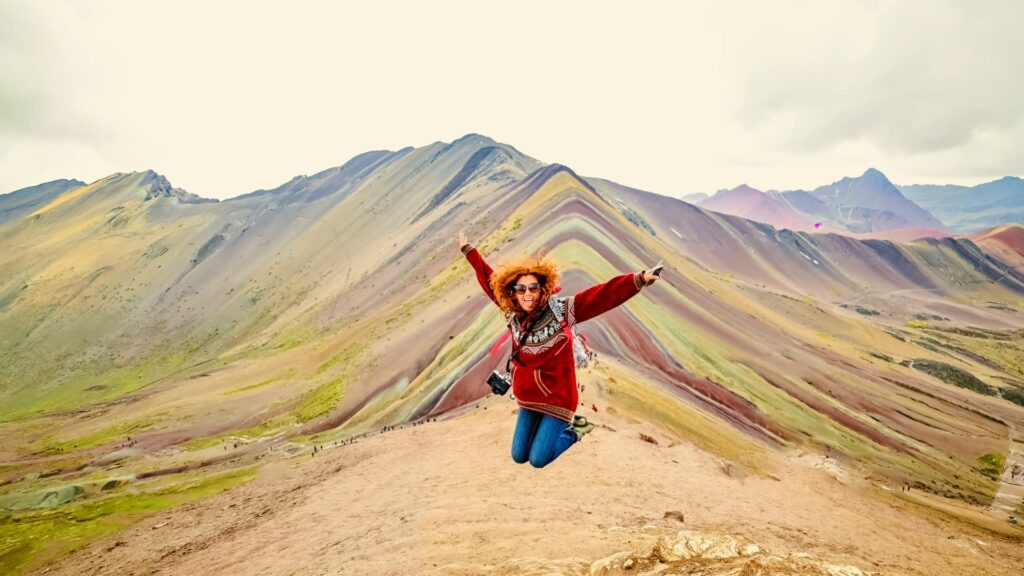
The most famous day hike: a climb to the striped slopes of Vinicunca, at about 5,200 m (17,060 ft). It is short, but the altitude makes it demanding, so do it after acclimatizing. Join our Rainbow Mountain tour or read our Rainbow Mountain guide.
Humantay Lake
A steep climb to a turquoise lake at the foot of a glacier, at about 4,200 m (13,780 ft), near Salkantay. It is a good test of your fitness before a longer trek. See our Humantay Lake tour and our Humantay Lake guide.
Palcoyo, Pallay Punchu and the 7 Lakes of Ausangate
- Palcoyo (US$50): a rainbow mountain with an easy to moderate walk to the viewpoint, at about 4,900 m (16,080 ft), and an optional stone forest.
- Pallay Punchu (US$60): sharp, colorful ridges reached from Layo, at about 4,800 m (15,750 ft).
- 7 Lakes of Ausangate (US$60): a 5-to-6-hour loop past glacial lakes from Pacchanta, up to about 4,850 m (15,910 ft), with optional hot springs.
Not sure which one to pick? Compare them in Rainbow Mountain vs Palcoyo vs Pallay Punchu and Ausangate 7 Lakes vs Humantay.
Which Cusco Trek Should You Choose?
- Your first multi-day trek: the Lares Trek, rated moderate, or the Short Inca Trail, which has no camping.
- You dream of reaching Machu Picchu on foot: the Classic Inca Trail, booked well ahead.
- Inca Trail permits are sold out: the Salkantay Trek, which also ends at Machu Picchu.
- You want to avoid the crowds: the Choquequirao Trek.
- You want the highest, wildest route: the Ausangate Trek, if you have experience at altitude.
- You only have one day: Rainbow Mountain, Palcoyo, Pallay Punchu, Humantay or the 7 Lakes.
If you are torn between the routes to Machu Picchu, our Inca Trail vs Salkantay vs Lares guide compares them in detail.
Book with 40%: all our treks and day hikes are booked by paying just 40% online; the balance is paid when you arrive in Peru. If you choose the Inca Trail, book early: permits are limited and issued in your name.
How Should You Prepare for Cusco Treks?
Hiking at high altitude in the Andes is unforgettable, but it requires good planning. These are the most important tips to get the most out of any route.
1. Acclimatize to the Altitude
Cusco sits at 3,399 m (11,152 ft) above sea level, and many trekking routes go above 4,000 m (13,123 ft). To prevent altitude sickness (soroche), we recommend:
- Spending at least 2 days in Cusco before starting your trek.
- Drinking plenty of water and avoiding alcohol and heavy meals.
- Trying coca tea or coca candies, a traditional remedy for altitude symptoms.
- Walking slowly and listening to your body to avoid exhaustion.
Guide’s tip: save the most demanding hikes for the end of your trip. Starting with easy walks around Cusco and the Sacred Valley gives your body time to adjust to the altitude before you climb to the high mountain passes.
2. Bring the Right Gear
The weather in the Andes is unpredictable, so pack for all conditions:
- Waterproof hiking boots with good soles.
- Layers: a breathable shirt, a fleece and a waterproof jacket.
- Gloves and a warm hat for cold mornings and nights.
- Hiking pants that are comfortable and breathable.
- Sunglasses and a cap to protect you from strong solar radiation.
- High-factor sunscreen and lip balm.
- Trekking poles to reduce the impact on your knees.
3. Stay Hydrated and Carry Energy Snacks
You dehydrate faster at altitude. Make sure you:
- Carry at least 2 liters of water per day.
- Use purification tablets or a portable filter if you drink water from streams.
- Eat energy snacks such as nuts, chocolate, energy bars and dried banana.
4. Arrive in Good Physical Shape
Routes such as Salkantay and Choquequirao are physically demanding. To be ready:
- Start training with practice hikes 2 to 3 weeks before your trip.
- Do endurance and leg-strengthening exercises.
- Walk with a backpack and poles to get used to the weight and effort.
5. Travel With a Reliable Guide or Operator
Some routes can be done independently (not the Inca Trail, which can only be hiked with an authorized agency), but ideally you should go with a certified guide or a trusted tour operator that includes:
- Transportation and entrance fees to protected areas and archaeological sites.
- Camping equipment and meals.
- Experienced guides with first-aid training.
- Porters or mules to carry the gear on long routes.
Do You Need a Permit for Cusco Treks?
Only the Inca Trail needs one, on both the classic and the short route. Access is controlled by Peru’s Ministry of Culture: each permit is personal, is issued with your passport number, can only be bought through an authorized agency and has a limited daily quota. We explain how it works in our Inca Trail guide.
Salkantay, Lares, Choquequirao and Ausangate have no permit quota. On Salkantay and Lares you still need a Machu Picchu ticket, which our tours include. Choquequirao can be booked up to 2 days before departure.
Who Carries the Gear?
- Classic Inca Trail: porters carry the tents and food, plus up to 15 kg of your gear (sleeping bag and clothes).
- Lares: porters and muleteers carry the equipment and up to 15 kg of your gear.
- Salkantay and Ausangate: muleteers and horses carry the kitchen and tents; they do not carry personal luggage, so pack light.
- Choquequirao: porters and muleteers carry the camp and the food; you only carry your daypack.
- Short Inca Trail and day hikes: you only carry a daypack.
Meals during the trek are included on all our multi-day routes.
When Is the Best Time for Trekking in Cusco?
The weather in the Andes changes throughout the year, so keep the two seasons in mind:
- Dry season (April to October): ideal for hiking, with sunny days and cold nights.
- Rainy season (November to March): slippery trails, more clouds and a higher risk of cancellations.
For clear skies and panoramic views, the best months are June to September. Keep in mind that the Inca Trail closes every February for maintenance.
Book early for the dry season: Inca Trail permits for May to August sell out first, and on Choquequirao spots fill up sooner from May to September. For the weather month by month, see our guide to the best time to visit Cusco.
How Can You Trek Responsibly in the Andes?
Responsible tourism is key to protecting these sacred places. Remember:
- Leave no trash: carry a bag to collect your waste.
- Do not damage or take stones, plants or archaeological remains.
- Respect local customs and ask permission before photographing people in Andean communities.
Cusco Trek Prices: Pay 40% Online
| Tour | Price | Pay online (40%) |
|---|---|---|
| Rainbow Mountain | US$50 | US$20 |
| Palcoyo | US$50 | US$20 |
| Humantay Lake | US$55 | US$22 |
| Pallay Punchu | US$60 | US$24 |
| Ausangate 7 Lakes | US$60 | US$24 |
| Short Inca Trail 2 days | US$450 | US$180 |
| Lares Trek 4 days | US$450 | US$180 |
| Choquequirao Trek 4 days | US$450 | US$180 |
| Salkantay Trek 5 days | US$550 | US$220 |
| Ausangate Trek 5 days | US$600 | US$240 |
| Classic Inca Trail 4 days | US$650 | US$260 |
Prices are per person. The balance is paid when you arrive in Peru; each tour page lists what is included.
Frequently Asked Questions
What is the easiest trek near Cusco?
For one day, Palcoyo: the walk to the viewpoint is easy to moderate. For several days, the Lares Trek, rated moderate, or the Short Inca Trail, which has a single day of hiking and a hotel night. Every route near Cusco is at altitude, so acclimatize first.
What is the hardest trek around Cusco?
Of the routes we run, the Ausangate Trek: five days, passes up to about 5,200 m (17,060 ft) and freezing nights. The Choquequirao Trek is also challenging, not because of the altitude but because of the deep descent into the Apurímac Canyon and the climb back up.
Which treks go to Machu Picchu?
The Classic Inca Trail and the Short Inca Trail, which arrive on foot through the Sun Gate, and the Salkantay and Lares treks, which end in Aguas Calientes and visit Machu Picchu on the last day. Choquequirao and Ausangate do not include Machu Picchu.
Do I need a permit for the Salkantay Trek?
No. Only the Inca Trail has a permit quota. For Salkantay you only need the Machu Picchu ticket, which is included in our Salkantay Trek.
How many days should I acclimatize before a trek?
At least two days in Cusco, at about 3,400 m (11,150 ft), before any trek. For the five-day Ausangate Trek we recommend three or four. Our guide to preventing altitude sickness explains how to adapt.
Can I trek in the rainy season?
Yes, but from November to March the trails are muddier, there are more clouds and the views are less certain. Pack a waterproof jacket and boots. The Inca Trail closes every February for maintenance.
Ready to choose? Book your trek by paying 40% online, or contact us and we will help you pick the right route for your dates and fitness.