 English
 Español
 Português


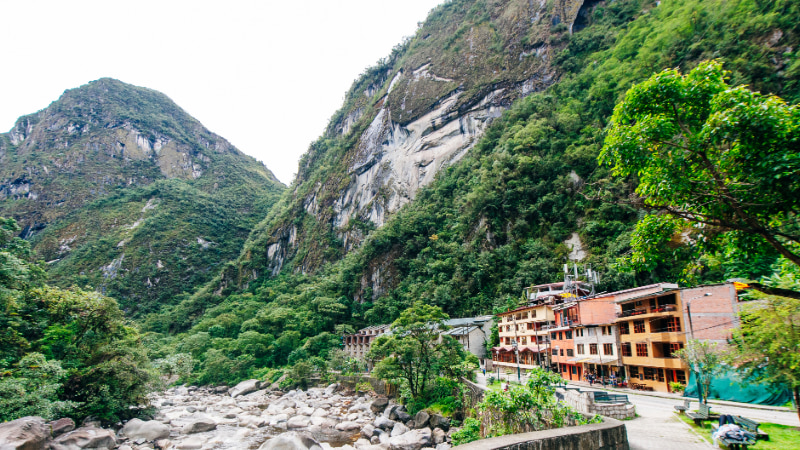
The train to Machu Picchu is the most comfortable way to reach the Inca citadel. Two companies, PeruRail and Inca Rail, run the service, mostly from Ollantaytambo in the Sacred Valley, and reach Aguas Calientes in approx. 1 h 30 min. From there you go up to Machu Picchu by bus or on foot.
We are local guides based in Cusco, and we run Machu Picchu tours with the train included. In this guide we explain the stations, the classes each company offers, how long the ride takes, what luggage to bring and what changes in the rainy season. If you want to compare every possible route, including the hikes, read our guide on how to get to Machu Picchu.
How Do You Take the Train to Machu Picchu?
No road reaches Aguas Calientes (Machu Picchu Pueblo), the town at the foot of the citadel. That is why the train is the main way in for most travelers. The typical journey has three legs:
- Cusco – Ollantaytambo: by road, about 1 h 45 min, through the Sacred Valley.
- Ollantaytambo – Aguas Calientes: by train, approx. 1 h 30 min, following the Urubamba River between mountains that get greener as you go.
- Aguas Calientes – Machu Picchu: by bus, approx. 25 to 30 min up a zigzag road, or on foot along a steep trail.
Aguas Calientes sits at about 2,040 m (6,690 ft), much lower than Cusco. Many travelers notice they breathe more easily there, and the climate is warmer and more humid, with cloud forest vegetation.
Train to Machu Picchu Stations: Ollantaytambo, Poroy and Bimodal Service
People talk about “the train from Cusco,” but most departures don’t actually leave from the city. These are your options:
Ollantaytambo, the Main Station
Ollantaytambo has the most departures and is the station almost every traveler uses. It is in the Sacred Valley, next to an Inca town that still keeps its original streets and water channels. If you have time, it is worth spending a night there or combining the train with a visit to the valley. Learn more in our Sacred Valley Peru guide and in our article on Ollantaytambo, the living Inca town.
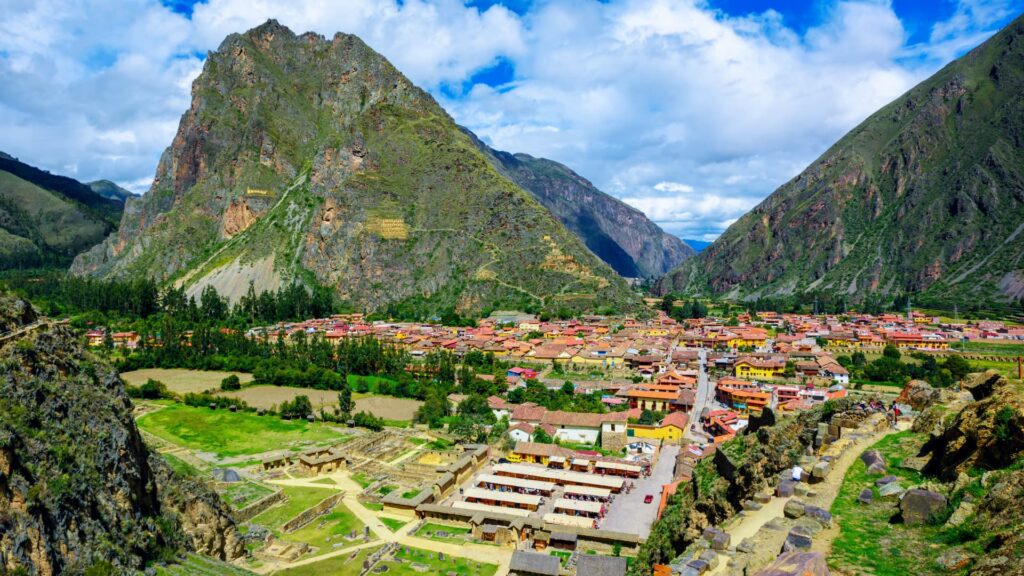
Poroy, on the Outskirts of Cusco
Poroy is on the outskirts of Cusco. Only some services leave from there, and the train ride is longer than from Ollantaytambo. It works if you want to board close to the city, but it is not the fastest option.
Bimodal Service: Bus Plus Train
In the rainy season, approx. January to April, many departures sold “from Cusco” are bimodal: you first ride a bus to Ollantaytambo or another valley station and board the train there. Your ticket will say so, but always confirm it when you book so you know when and where the bus leaves.
PeruRail or Inca Rail: Which Train Should You Choose?
Two companies run tourist trains to Machu Picchu: PeruRail and Inca Rail. Both use the same track and arrive at the same station in Aguas Calientes. The difference lies in the classes, the available departure times and the onboard service.
| Company | Class | Type | What to expect, in general |
|---|---|---|---|
| PeruRail | Expedition | Entry level | Comfortable seats and large windows. The most popular choice. |
| PeruRail | Vistadome | Panoramic | Roof windows, a snack and some onboard entertainment. |
| PeruRail | Vistadome Observatory | Panoramic | A variant of the Vistadome. Ask what it includes when you book. |
| PeruRail | Hiram Bingham (Belmond) | Luxury | Meals and full service. |
| Inca Rail | The Voyager | Entry level | Basic and comfortable. |
| Inca Rail | The 360° | Panoramic | Roof windows, a snack and some onboard entertainment. |
| Inca Rail | First Class | Luxury | Meals and full service. |
Which one is right for you? As guides, this is what we’d tell you:
- Expedition or The Voyager: if you want a comfortable ride and prefer to save for other activities. The scenery looks great from the window.
- Vistadome or The 360°: if you want to enjoy the landscape more. The roof windows let you see the mountains and snowcapped peaks of the Urubamba canyon.
- Hiram Bingham or First Class: if you want a special experience, for example for a honeymoon or a celebration.
Fares change with the class, the season and the departure time, so we don’t quote figures here: always confirm them when you book. The exact amenities of each class can also vary, so check what your ticket includes.
How Long Is the Train Ride to Machu Picchu?
It depends on where you start. These approximate times will help you plan your day:
| Leg | Transport | Approximate duration |
|---|---|---|
| Cusco – Ollantaytambo | Road | Approx. 1 h 45 min |
| Ollantaytambo – Aguas Calientes | Train | Approx. 1 h 30 min |
| Cusco – Aguas Calientes (total) | Road + train | Approx. 3.5 to 4 h |
| Poroy – Aguas Calientes | Train | Longer than from Ollantaytambo |
| Aguas Calientes – Machu Picchu | Bus | Approx. 25 to 30 min |
Departure times change with the season and the company, so we don’t give exact schedules. What matters is that your train reaches Aguas Calientes with enough time to catch the bus and enter at the time printed on your Machu Picchu ticket.
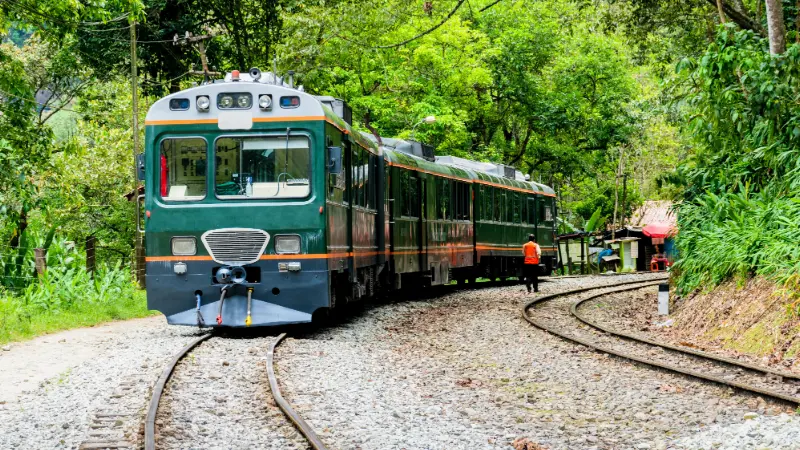
Luggage and Tips for the Train
This is the advice we give our travelers before they board:
- Travel light: carry-on luggage on the train is limited. Leave your large suitcase at your hotel in Cusco and bring only a small backpack. Check the allowed weight and size in the company’s policy, as they can change.
- Bring your passport: you need it to enter Machu Picchu, and it’s a good idea to keep it handy for the whole trip.
- Match the train to your ticket: your Machu Picchu ticket has a set date and entry time. Choose an outbound train that leaves you margin for the bus, and a return train that doesn’t force you to rush out of the citadel.
- Which side of the carriage: there are views on both sides, with the river, mountains and small Inca remains. Seats are usually assigned on the ticket, so you can’t always choose. On the panoramic classes, the roof windows make up for it.
- Dress in layers: you leave the cold of Cusco or the valley and arrive in a warmer, more humid climate. Bring a light rain jacket.
- Get to the station early: boarding closes before departure. Allow for traffic if you’re driving from Cusco.
Train included: our Machu Picchu tours already include the train tickets, so you don’t have to buy them yourself. You book by paying only 40% online, and the balance is paid when you arrive in Peru.
The Train in the Rainy Season
From about January to April, it rains often around Machu Picchu. The train keeps running, but there are a few changes you should know about:
- Many departures “from Cusco” become bimodal, with a bus leg to the valley.
- Schedules may be adjusted. Confirm your departure a few days before you travel.
- Bring a poncho or waterproof jacket and a rain cover for your backpack, especially for your visit to the citadel.
The good news: there are fewer people and the landscape is very green. We explain what each month is like in our Machu Picchu weather guide.
Train to Machu Picchu or a Hike?
The train isn’t the only way in, but it is the fastest. If you enjoy walking, several routes arrive on foot and return by train. Here’s how they compare with our tours:
| Option | How it uses the train | Best for |
|---|---|---|
| Machu Picchu Full Day (US$300) | Round trip by train on the same day | Travelers short on time |
| Machu Picchu 2 days (US$350) | Round trip in Expedition or Vistadome, depending on the option, with a hotel in Aguas Calientes | Those who want to visit the citadel without rushing |
| Short Inca Trail 2 days (US$450) | Return by train | Those who want to walk an Inca section without camping |
| Salkantay 5 days (US$550) | Return by train | Experienced, well-acclimatized hikers |
| Hidroeléctrica route | Van and a walk along the tracks, or a short train from Hidroeléctrica | Tight budgets and more time |
The budget route via Hidroeléctrica means driving to that station and walking about 2 to 3 h along the railway to Aguas Calientes. There is also a short train from Hidroeléctrica. It involves a long road trip, so we explain it in detail in our guide on how to get to Machu Picchu.
If you’d rather walk, take a look at the Short Inca Trail 2 days or the 5-day Salkantay trek. In both cases, the return train is included.

Frequently Asked Questions
Is there a direct train from Cusco to Machu Picchu?
Only some services leave from Poroy, on the outskirts of Cusco, and the ride is longer. Most people drive to Ollantaytambo and board the train there. In the rainy season, many departures “from Cusco” are bimodal: bus plus train.
How much is the train to Machu Picchu?
It depends on the company, the class, the season and the departure time, and fares change often. That’s why we don’t quote figures. If you travel with us, the train is already included in the tour price.
Does the train go all the way to the citadel?
No. The train arrives in Aguas Calientes, at about 2,040 m (6,690 ft). From there you go up to Machu Picchu by bus, approx. 25 to 30 min, or on foot along a steep trail.
How far in advance should I book the train?
In high season, May to October, the most convenient departures fill up quickly. Ideally, book the train together with your Machu Picchu ticket so the times line up.
Can I bring my large suitcase on the train?
Carry-on luggage is limited, and each company has its own policy. The practical solution is to leave your suitcase at your hotel in Cusco and travel with a small backpack for one or two nights.
Which is better, PeruRail or Inca Rail?
Both companies run the same route and offer similar classes. Choose based on the departure time that best fits your entry ticket and the type of service you want: entry level, panoramic or luxury.
Plan Your Train Trip to Machu Picchu
The train is the simplest way to reach Machu Picchu: you leave the Sacred Valley, follow the river between mountains and in approx. 1 h 30 min you’re in Aguas Calientes. Match the schedule to your entry ticket, travel light and, in the rainy season, check whether your departure is bimodal. To plan the rest of your trip, see our Peru itinerary, and if you’d like to climb the mountain behind the citadel, read our Huayna Picchu guide.
To skip the hassle of tickets and schedules, choose the Machu Picchu Full Day if you only have one day, or the 2-day Machu Picchu tour if you’d rather sleep in Aguas Calientes. Both include the train, with guides who speak English, Spanish and Portuguese. You book with 40% online and pay the balance when you arrive in Peru.


