English
  Español
  Português

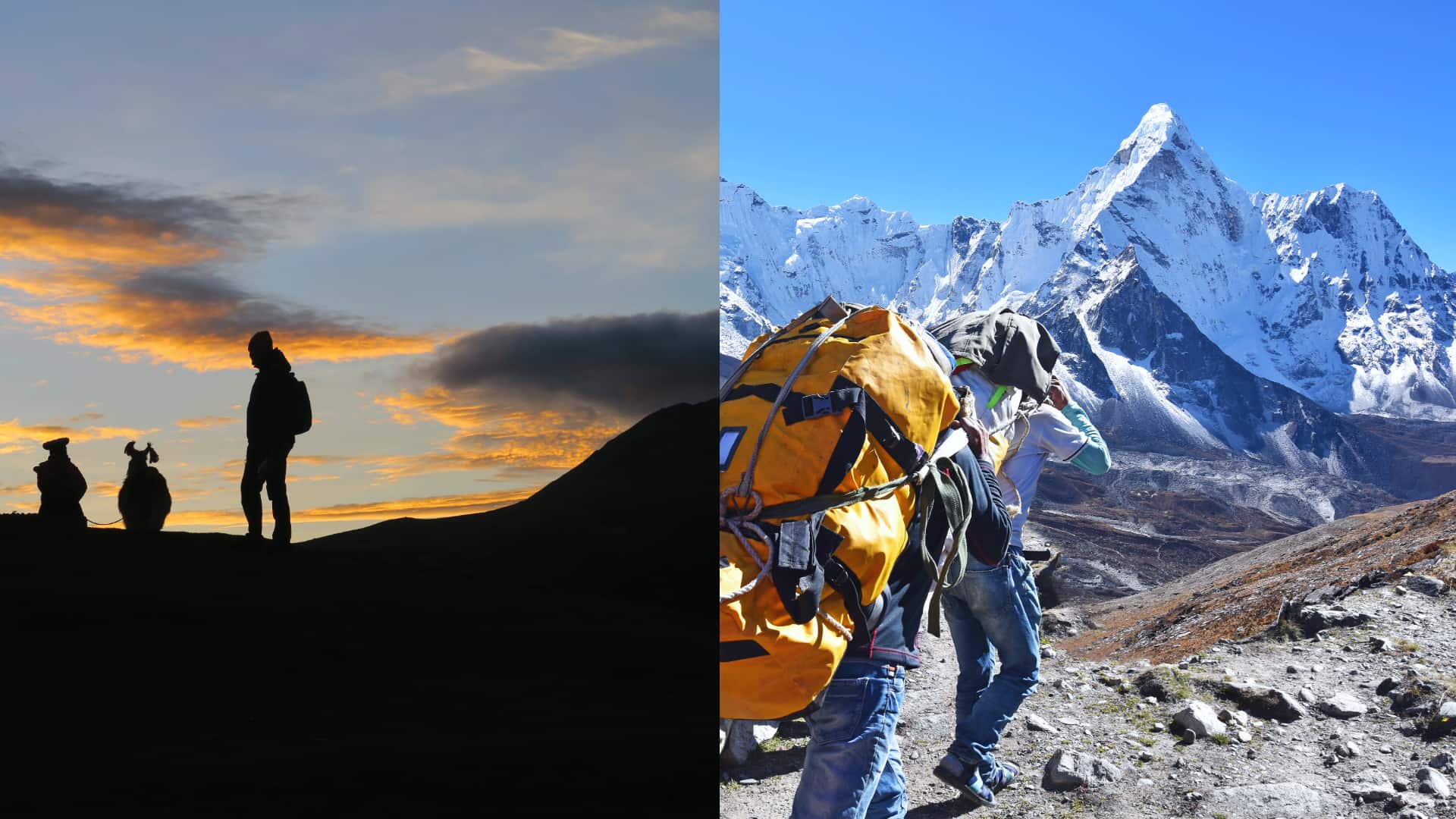
Sickness of the soroche affects more than one visitor in our city of Cusco and it is because of the location of the former capital of the Inca empire, which is at 3399 meters above sea level, due to the altitude at which Cusco is located, the perception of oxygen at this altitude decreases drastically and this generates in most visitors this discomfort.
Is for that the people of Cusco do not suffer from this illness, one, because they are natives and two, because all the inhabitants of the Andean zones develop an adaptability to the low oxygenation, making the lungs bigger and in this way they can capture more oxygen, this gives us a better acclimatization to levels closer to the sea.

But why do visitors from the coasts suffer when they arrive to the Peruvian Andes?
Maybe the main reason is inversely proportional since the coastal people, being closer to the sea, have 100% oxygen and not 66% or 70% that is found in the high Andean zones.
That is, the lungs of the people who live closer to the sea, are smaller and have less strength to collect oxygen and being in high areas it costs them more, than a person from the highlands who visits the coast.
On that one in addition to this, it is also important to know that the high Andean population has more red blood cells, this helps not only in the resistance at high altitudes but also to the adaptability of such.

How can I improve my resistance at high altitude?
To better resist at high altitudes, the body needs to adapt to the lower amount of oxygen available. With proper preparation, it is possible to improve endurance and reduce the impact of altitude sickness.
Adapt your body progressively.
Climb gradually rather than suddenly exposing yourself to high altitudes.
During the first few days at altitude, rest and avoid intense exertion to allow your body to acclimatize.
Improve your physical condition
Do aerobic exercise such as running, swimming or cycling to strengthen the cardiovascular system.
Incorporate resistance training with weights and functional exercises to strengthen muscles.
If you have access, practice high altitude training or use hypoxia masks to get used to the reduced availability of oxygen.

Maintain good hydration and nutrition.
Drink enough water to avoid dehydration, which occurs faster at altitude.
Increase consumption of carbohydrates such as oats, fruits, quinoa and rice, as the body metabolizes them with less oxygen.
Avoid alcohol and tobacco, as they hinder oxygenation and adaptation.
Optimize your breathing
Practice diaphragmatic breathing to improve oxygen absorption.
Use the “box breathing” technique (inhale in 4 seconds, hold your breath for 4 seconds, exhale in 4 seconds and hold your breath for another 4 seconds) to improve breathing control.
Support your Adaptation with Supplements
Ensure a good level of iron and vitamin B12 to support red blood cell production.
Consider ginkgo biloba to improve blood circulation and facilitate adaptation to altitude.
In necessary cases, some resort to acetazolamide (Diamox) to prevent altitude sickness, although it is always advisable to consult a physician before using any medication.
So with proper preparation and good habits, the body can better adapt to altitude and improve physical performance in conditions of lower oxygen. In addition to this in Cusco there is the coca leaf that has spectacular benefits for adaptation to altitude and also to improve physical performance.
What are the benefits of the coca leaf?
Benefits of Coca Leaf
Then coca leaf offers multiple health benefits thanks to its energetic, digestive and antioxidant properties. Its traditional consumption in the Andes helps fight fatigue, improve oxygenation and strengthen the immune system.
Increases Energy Naturally
Coca leaf contains alkaloids in low concentrations, which stimulates the nervous system and reduces fatigue without generating addiction when consumed naturally (chewed or in infusion).
It improves oxygenation and relieves altitude sickness.
When consumed, the body absorbs oxygen better, which reduces the symptoms of altitude sickness, such as dizziness, nausea and headache.

Facilitates Digestion
Its compounds stimulate the production of gastric juices, which accelerates digestion and prevents problems such as bloating and stomach discomfort.
Provides Key Nutrients
This leaf contains essential nutrients, such as:
Calcium, which strengthens bones.
Iron, which prevents anemia.
Vitamins A, B and C, which strengthen the immune system and improve metabolism.
Relieves Pain and Reduces Inflammation
Its analgesic and anti-inflammatory properties help soothe muscle, joint and headaches.
Regulates Metabolism
Some studies suggest that its consumption controls appetite and stabilizes blood glucose levels, which helps prevent diabetes and facilitates weight control.
Protects Cells with its Antioxidant Action
Its antioxidants fight free radicals, delaying aging and strengthening the body.
When consumed in its natural form, coca leaf is safe and beneficial. However, its processing to extract cocaine is what makes it an illegal substance in many countries.

Now that you know better what you should and should not do to enjoy 100% your visit to Cusco, what are you waiting for to soak up an ancient culture that endures over time!