English
 Español
 Português


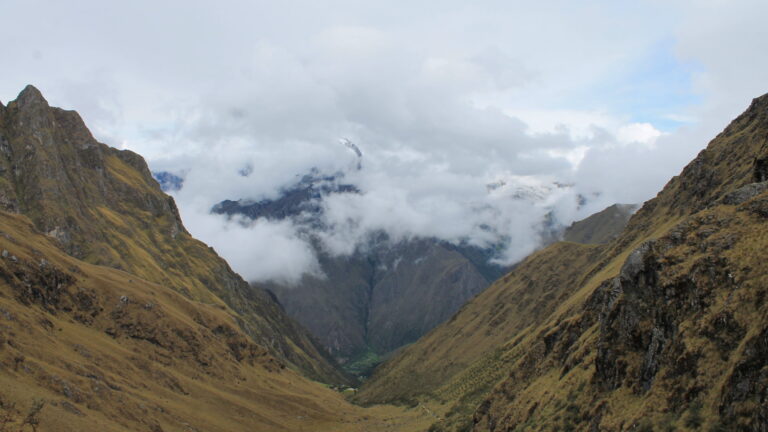
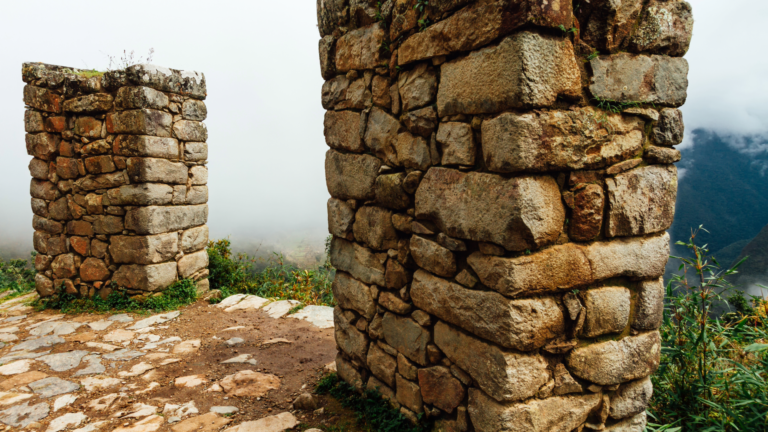
The Choquequirao ruins are an Inca citadel at 3,050 meters above sea level in the Vilcabamba mountains of Cusco, high above the Apurímac Canyon. Archaeologists date them to the 15th century and attribute them to Pachacútec. The site is known for its ceremonial plazas, terraces and stone llama figures, and it can only be reached on foot.
Often called the “sister of Machu Picchu”, it is one of the great Inca sites with the fewest visitors in Peru. In this article we focus on the ruins themselves: their name, their history, their main sectors and why they are worth the journey. For how hard the hike is and how to prepare, see our Choquequirao difficulty guide.
Choquequirao at a Glance
| Fact | Details |
|---|---|
| Where | In the Vilcabamba mountains, on the border between the Cusco and Apurímac regions, above the Apurímac Canyon |
| Altitude | About 3,050 m (10,010 ft) |
| Built | Around 1450, under the Inca Pachacútec |
| Excavated | Only about 30–40% of the complex |
| Access | On foot only, from Capuliyoc near Cachora: about 4 h by road from Cusco, then about 2 days of hiking |
| Trip length | 4 days round trip, with a full day at the ruins |
| Permit | No permit quota; you pay an entrance fee (included on our tour) |
| Dry season | April to October |
| With us | Choquequirao Trek, 4 days / 3 nights: US$450 |
What does Choquequirao mean?
The name comes from Quechua: chuqi means “gold” and k’iraw means “cradle”. That is why Choquequirao is usually translated as the “cradle of gold”.
Who built the Choquequirao ruins and when?
Archaeologists estimate that Choquequirao was built around 1450, during the rule of the Inca Pachacútec, the ruler who turned Cusco into the capital of a vast empire. Its architectural complexity and its size show that it must have been a site of great importance within the Inca world.
Part of the Inca road network
Cusco was the center of an enormous road system. The main roads formed the Qhapaq Ñan and connected the capital with the four regions of the Tahuantinsuyo: Chinchaysuyo, Antisuyo, Contisuyo and Collasuyo. Secondary routes led to more secluded places, such as Machu Picchu and Choquequirao.
That network was also a weakness. In the 16th century, the Spanish only had to follow the Qhapaq Ñan to reach Cusco, because every road in the empire led to the capital.
What was Choquequirao used for?
Despite years of research, the exact purpose of Choquequirao is still an enigma. These are the main hypotheses:
- A religious center: it may have played a key role in the religious life of the empire as a sanctuary or ceremonial site.
- A link between regions: some historians suggest it connected Machu Picchu with other Inca sites and linked the Andes with the Amazon.
- A refuge for the resistance: its remote location, high in the mountains and surrounded by dense vegetation, supports the theory that it sheltered the Inca resistance against the Spanish in the 16th century. Local stories say the last Incas planned their resistance from here.
The last refuge of the Incas
After the failed siege of Cusco, Manco Inca withdrew to the Vilcabamba region in 1537. He and his successors resisted Spanish rule there until 1572, when Túpac Amaru I was captured and executed. Choquequirao, on the edge of that territory, is believed to have been one of its checkpoints and administrative centers. The site was abandoned in the late 16th century, and the forest slowly covered it.
How Choquequirao was rediscovered
Local communities always knew about the ruins, but the first written mention comes from the Spanish explorer Juan Arias Díaz in 1710. The cartographer Cosme Bueno described the site in 1768, and the French explorer Eugène de Sartiges visited it in 1834. In 1909 Hiram Bingham reached Choquequirao looking for Vilcabamba, the last Inca capital. He concluded it was not, kept searching and reached Machu Picchu in 1911.
Systematic excavation only began in the late 20th century. Today only about 30–40% of the complex has been cleared, so much of Choquequirao is still hidden under the vegetation.

What are the main sectors of the Choquequirao ruins?
Choquequirao spreads across a mountain ridge and its steep slopes, and its design shows how well the Incas adapted to difficult terrain. These are the areas that stand out during a visit:
- The main plaza and the upper and lower sectors: the urban core of the site, with stone buildings, enclosures and ceremonial spaces organized around a central plaza.
- The usnu: a leveled hilltop used as a ceremonial platform, with panoramic views of the canyon and the surrounding mountains.
- The agricultural terraces: long terraces built on very steep slopes, used for farming and to stabilize the mountainside.
- Water channels and fountains: canals that carried water to the urban sector, a good example of Inca hydraulic engineering.
A large part of the complex is still covered by vegetation or under excavation, so Choquequirao keeps revealing new structures as archaeological work continues.
Other areas worth seeing
Archaeologists divide the site into an upper area (hanan) and a lower area (hurin), connected by stairways and terraces. Besides the main plaza and the usnu, look out for these areas:
- The kallankas: long rectangular halls used for gatherings and other communal activities; some may have housed priests.
- The storehouses (qolqas): buildings where food and supplies were kept.
- The priests’ house: rectangular buildings south of the usnu.
- Paraqtepata: a group of 18 terraces with irrigation canals running beside the stairs.
- Phaqchayoq (“the one with a waterfall”): one of the largest groups of farming terraces, crossed by water channels.
The stone llamas of Choquequirao
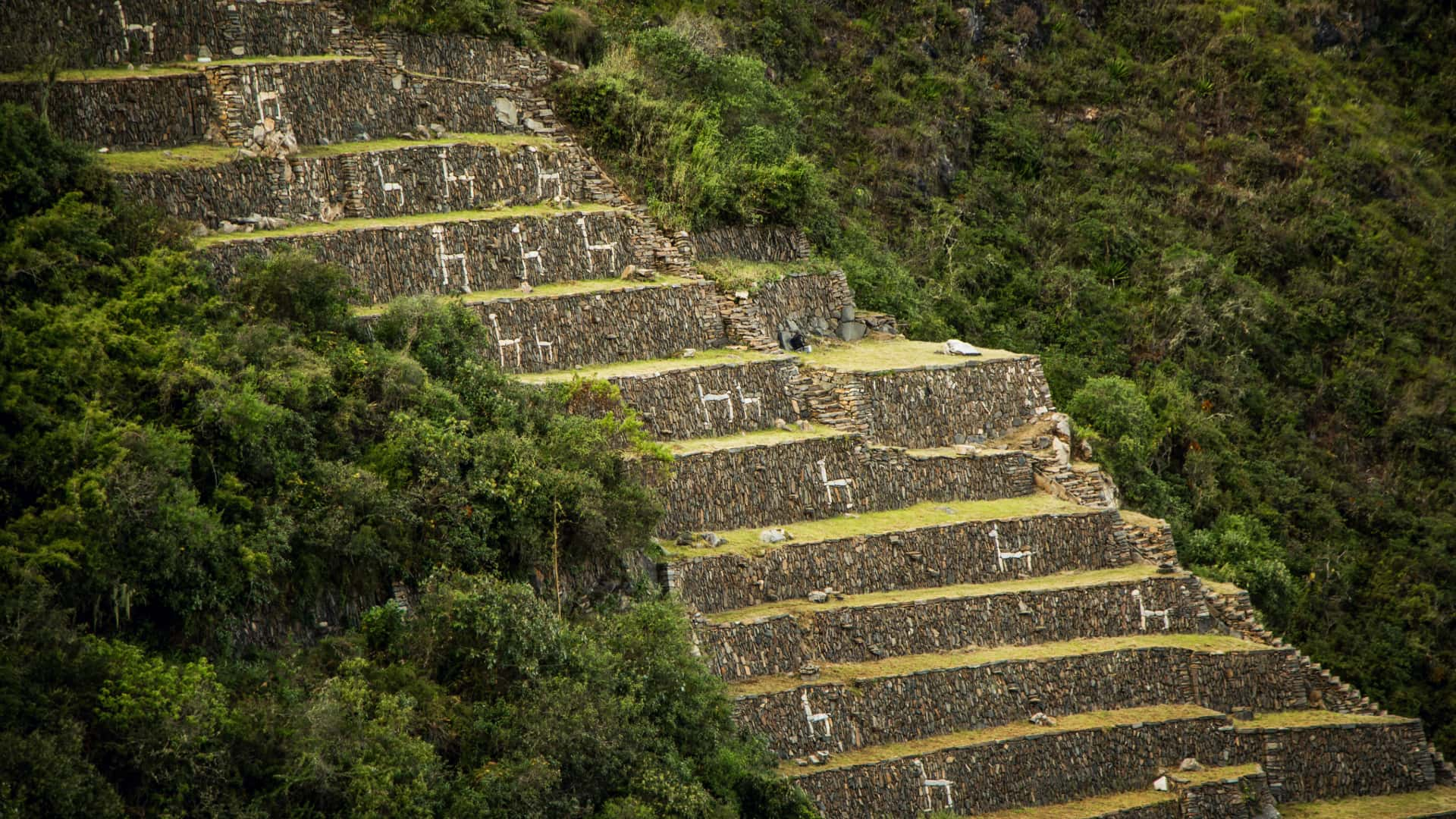
The most surprising sector is a group of terraces on one of the slopes, where Inca builders set white stones into the darker walls to form figures of llamas. Seen together, they look like a caravan climbing the mountain. It is a rare decorative feature in Inca architecture and one of the highlights of any visit.
The llama terraces are below the main sector, so seeing them means a steep descent and a climb back up. It is worth saving time and energy for them.
Look closely: besides the llamas, the terrace walls also include human figures and geometric designs made with the same white stones.
Why is Choquequirao called the sister of Machu Picchu?
Many historians see clear similarities between the two sites: both were built on mountain ridges above deep river valleys, both occupy strategic locations, and their layouts and stonework are comparable. To compare the two, read our guide to Machu Picchu history.
The big difference is access. Machu Picchu can be reached by train and bus, and the number of visitors has grown enormously since it was named one of the New Seven Wonders of the World. Reaching Choquequirao takes more than desire: it demands endurance and determination. If you want to see both, you can combine your trek with our Machu Picchu Full Day Tour.
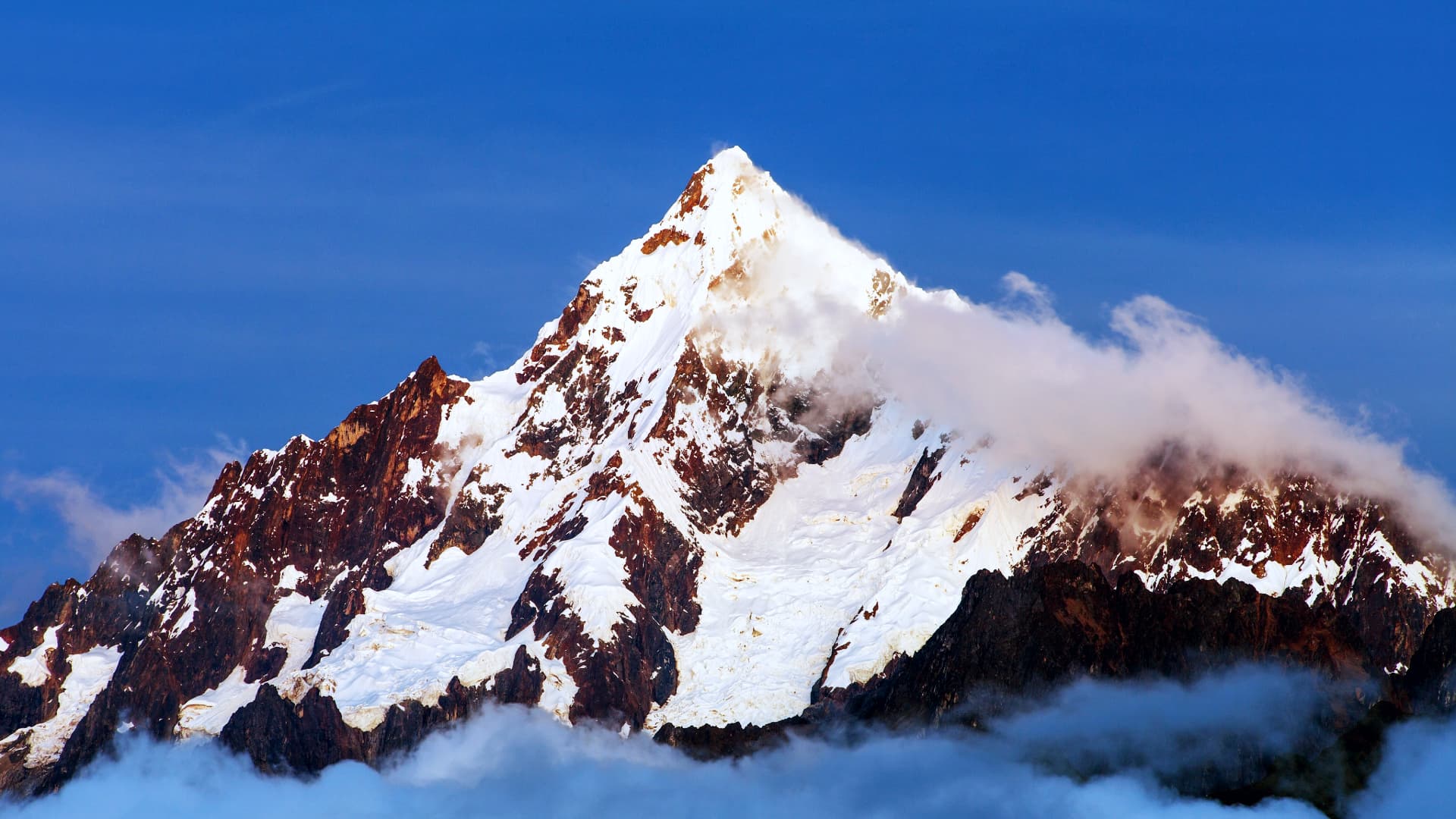
Choquequirao and Machu Picchu. Here is a summary of what the two citadels have in common and how they differ:
| Aspect | Choquequirao | Machu Picchu |
|---|---|---|
| Location | A mountain ridge in the Vilcabamba mountains of Cusco, high above the Apurímac Canyon. | Also a mountain ridge above a deep river valley. Both occupy strategic locations. |
| Altitude | About 3,050 m (10,007 ft) | About 2,430 m (7,972 ft) |
| Architecture | Ceremonial plazas, terraces and llama figures made of white stones. | Many historians see a layout and stonework comparable to Choquequirao’s. |
| Access | On foot only: no roads or trains reach the site. The trek starts near Cachora; you can do it on our Choquequirao Trek (4 days / 3 nights, US$450). | By train and bus. |
| Days | About four days round trip, depending on the group’s pace, experience and the weather. | It can be visited in 1 day from Cusco on our Machu Picchu Full Day Tour (US$300, tourist-class train), which you can combine with the trek. |
| Visitors | Few: it is one of the great Inca sites with the fewest visitors in Peru. | Many: their number has grown enormously since it was named one of the New Seven Wonders of the World. |
Why visit the Choquequirao ruins?
- Few visitors: you can explore plazas, temples and terraces in silence, without the crowds of other famous sites.
- A site still being discovered: many structures are still being excavated, which gives each visit a sense of discovery.
- Inca engineering at its most daring: terraces, plazas and stone buildings on slopes where it seems impossible to build.
- The landscape: views over the Apurímac Canyon and the peaks of the Vilcabamba range.
- The reward of arriving on foot: after days of walking, reaching the citadel feels very different from arriving by bus.
It is no surprise that this enigmatic complex has captured the attention of travelers and scholars from all over the world, who keep trying to decipher the secrets of this hidden jewel of the Peruvian Andes.

To plan your trip, read our guide: How to Get to Choquequirao in 2027: Route from Cusco, Cable Car and Tips.
Nature around Choquequirao
The trek crosses several ecological zones, from the warm, dry bottom of the Apurímac Canyon, at about 1,500 m (4,920 ft), to cloud forest and the grasslands around the ruins. Andean condors often soar over the canyon. The forests of the region are also home to the spectacled bear, the only bear species in South America, although seeing one is rare.
Bring binoculars if you like birds, stay on the trail and never feed the animals.
How to visit the Choquequirao ruins
There are no roads or trains to the site. The only way in is a trek that starts near Cachora and usually takes about four days round trip, depending on the group’s pace, the hikers’ experience and the weather. It requires good physical condition, as it involves steep trails, changes in altitude and long days of walking.
The essentials are sturdy trekking boots, layered clothing with a rain jacket, a sleeping bag for cold nights, a headlamp, sunscreen, insect repellent, a reusable water bottle and a small personal first-aid kit. You will find the full route and the day-by-day plan in our Choquequirao trek.
Guide’s tip: save time for the site itself. The main sector, the usnu and the llama terraces are spread across steep slopes, and seeing them calmly takes several hours.
For the route step by step, the campsites and the cable car project, read our guide on how to get to Choquequirao. To know how demanding the hike is and how to train, see how hard the Choquequirao trek is.
Book with 40%: you pay only 40% online and the balance when you arrive in Peru. Choquequirao has no permit quota, so you can book up to 2 days before departure; from May to September spots fill up sooner.
Choquequirao Tour Prices
| Tour | Price | Pay online (40%) |
|---|---|---|
| Choquequirao Trek 4 days / 3 nights | US$450 | US$180 |
| Machu Picchu Full Day | US$300 | US$120 |
| Machu Picchu 2 days | US$350 | US$140 |
Prices are per person. The trek does not include Machu Picchu, so many travelers add one of these tours to the same trip.
Frequently Asked Questions
Where is Choquequirao?
In the Vilcabamba mountains, on the border between the Cusco and Apurímac regions, at about 3,050 m (10,010 ft) above the Apurímac Canyon. The trail starts at Capuliyoc, near the village of Cachora, about 4 hours by road from Cusco.
How many days do you need for Choquequirao?
Four days is the usual plan: two days to hike in, a full day at the ruins and one long day back on the same trail. On our tour, day 3 is devoted entirely to exploring the site.
Do you need a permit or a ticket to visit Choquequirao?
There is no permit quota like on the Inca Trail, but you pay an entrance fee at the site. On our Choquequirao Trek the entrance is included.
How much of Choquequirao has been excavated?
Only about 30–40% of the complex. Archaeological work continues, and new terraces and buildings are still being uncovered.
Can you visit Choquequirao in one day?
No. No road reaches the ruins, and the cable car is a government project that is not operating yet, so today the only way in is a hike of several days.
Is Choquequirao worth it if I have already seen Machu Picchu?
Yes, if you enjoy hiking. The architecture is comparable, but you explore it with very few other visitors, you see the llama terraces, which Machu Picchu does not have, and you arrive on foot after crossing the Apurímac Canyon.
Want to see the “cradle of gold” with your own eyes? Join our Choquequirao Trek (4 days / 3 nights) or contact us and we will help you plan your trip with a local guide from Cusco.