English
 Español
 Português


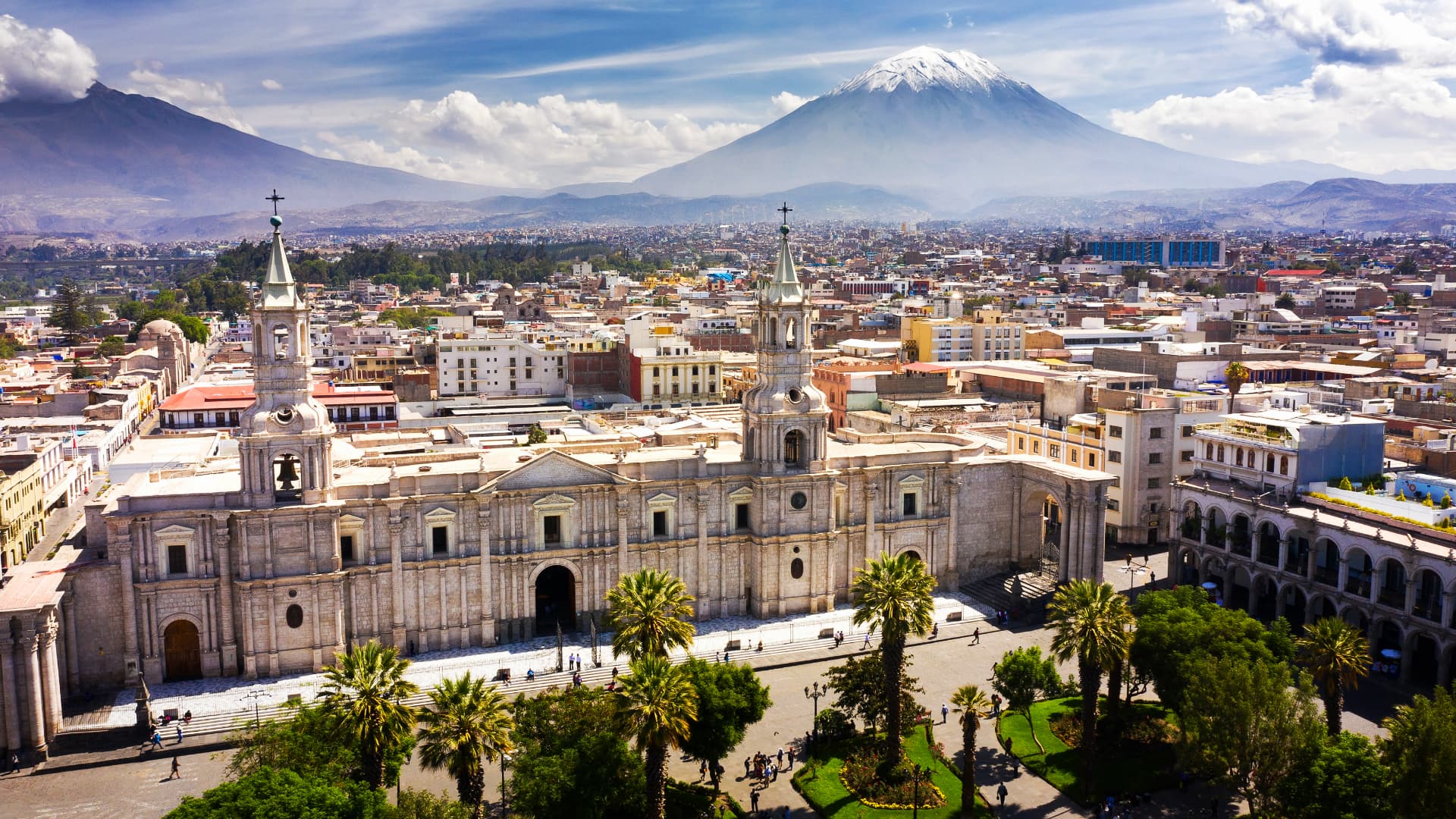
How should you plan 2 days in Arequipa? Like this: on day 1 you arrive in the morning, rest and join the City Tour in the afternoon, from about 2:00 to 5:30 p.m.; on day 2 you visit the Colca Canyon in one day, leaving at 3:30 a.m. and returning around 5:00 p.m. Both tours together start at US$115.
We are a local operator based in Cusco, and we run both of these tours in Arequipa. Below you’ll find the plan, why this order works best, what you pay separately, how to get there and what to do after Colca.
2 Days in Arequipa Itinerary: The Day-by-Day Plan
Times are approximate.
| Day | Morning | Afternoon | Tour | From |
|---|---|---|---|---|
| 1 | Arrival in Arequipa and rest | Sightseeing in the White City, 2:00 to 5:30 p.m. | City Tour Arequipa | US$60 |
| 2 | Departure at 3:30 a.m., Condor Cross and lunch in Chivay | Bus back around 2:30 p.m.; in Arequipa around 5:00 p.m. | Colca Canyon tour | US$55 |
| Total | 2 tours | From US$115 (US$46 online) |
US$60 + US$55 = US$115 per person: you pay 40% when you book, US$46, and the balance when you arrive in Peru. Flights, buses and hotels are not included, and neither are the two entrance fees you pay separately: the Santa Catalina Monastery and the Colca tourist ticket (more on that below).
Book with 40%: for each tour you pay just 40% online and the balance when you arrive in Peru. For this plan that’s US$46 in total. Book both at once, with the City Tour on the day you arrive and Colca the next day, so your acclimatization order is locked in.
Why the City First and Colca Second?
Because of the altitude. Arequipa sits at about 2,335 m (7,660 ft), lower than Cusco at about 3,400 m (11,150 ft), and the City Tour stays at city level: it helps you acclimatize. Colca, on the other hand, leaves before dawn and climbs much higher: the road reaches about 4,900 m (16,100 ft) near the Patapampa viewpoint, and Chivay sits at about 3,600 m (11,800 ft). You can compare these figures in our Cusco elevation chart for every destination.
To be honest: we ourselves recommend spending at least one day in Arequipa before Colca, and in 2 days that’s exactly what you get, one afternoon and one night. Does it work for you?
- If you’re coming from Cusco or Puno: you arrive already acclimatized, because both cities are higher than Arequipa. The plan will feel comfortable.
- If you’re coming from Lima or the coast: take day 1 easy. Walk slowly, eat light, drink water and skip alcohol the night before Colca. If you arrive with a headache or very tired, add an extra day in the city before going up.
Symptoms and how to prevent them are covered in our guide to altitude sickness in Peru. If you have a pre-existing health condition, talk to your doctor before the trip.
Day 1: Arrive in Arequipa and Explore the White City
Arrive in the morning or the night before, drop your things at the hotel and have a light lunch: lunch isn’t included. Most travelers feel fine in Arequipa from day one, but don’t fill the morning with long walks.
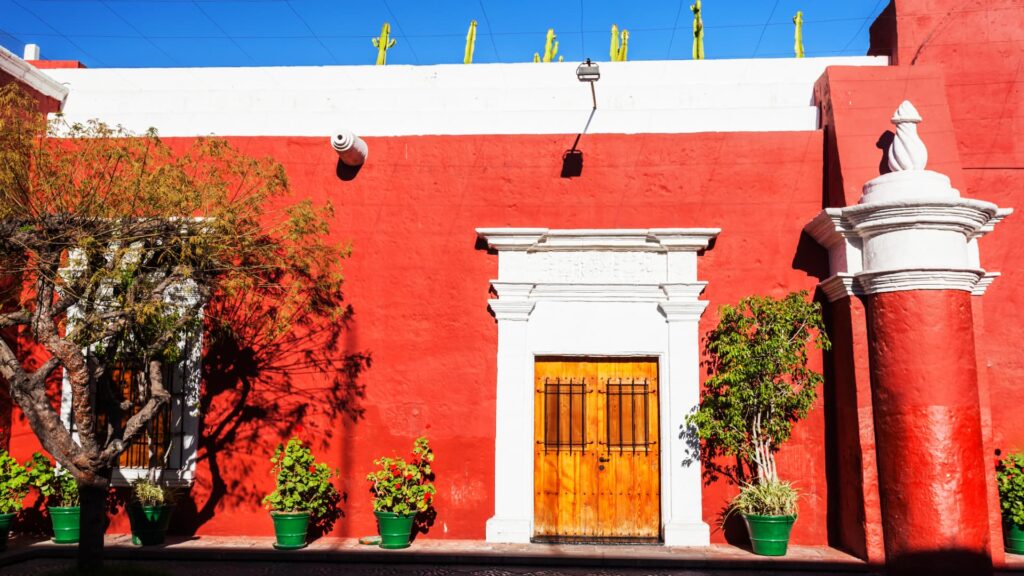
We pick you up at your hotel and the City Tour starts at 2:00 p.m. It combines walking stretches through the historic center with tourist transport, and visits, in this order, the Plaza de Armas, the Cathedral, the Santa Catalina Monastery, the Museo Santuarios Andinos and the Yanahuara viewpoint. You finish around 5:30 p.m. Guiding is in English, Spanish or Portuguese.
You’ll see why it’s called the White City: churches, mansions and doorways are built of sillar, a pale volcanic stone, and the historic center has been a UNESCO World Heritage Site since 2000. Santa Catalina, from the 16th century, is a small city of lanes and colorful walls where cloistered nuns lived, and it’s usually the longest visit. The Museo Santuarios Andinos holds the Juanita mummy, an Inca offering found on the Ampato volcano, although she isn’t always on display.
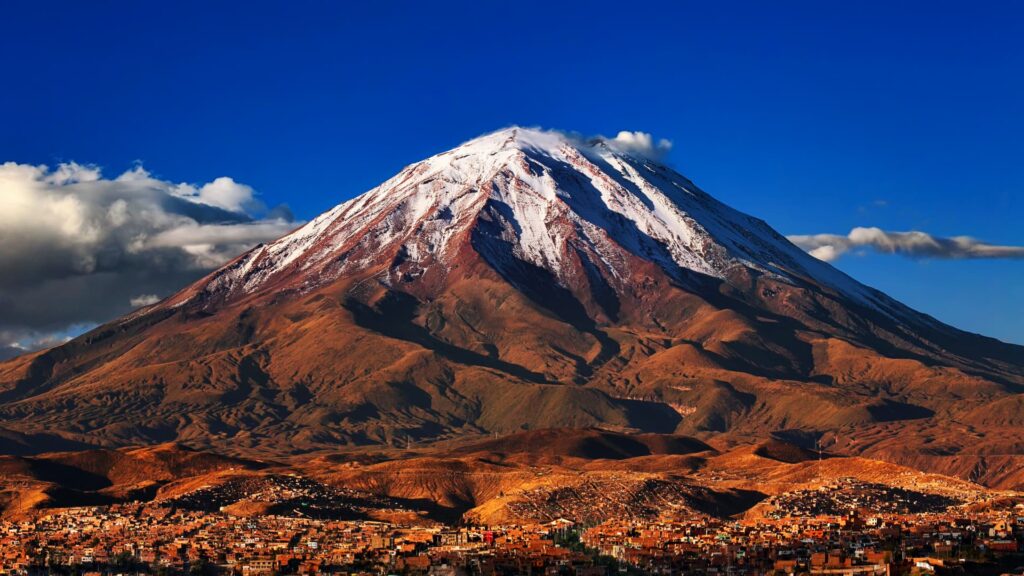
The tour ends in Yanahuara, with sillar arches and El Misti volcano in the background; skies tend to be clearer between April and November. Difficulty is low, but there are cobbled streets: wear comfortable shoes and bring sunscreen, a light jacket for late afternoon and cash in soles. Book the City Tour Arequipa and go to bed early that night.
Day 2: The Colca Canyon in One Day, to the Condor Cross
We pick you up at your hotel at 3:30 a.m. and you leave by tourist bus; it takes about 3 hours to reach the valley. The road crosses the puna, a high, cold plateau, and passes near Patapampa, the highest point of the route. With some luck you’ll spot vicuñas and alpacas here. The bus stops at viewpoints over the canyon and the snow-capped peaks.
In the morning you reach the Condor Cross (Cruz del Cóndor), the viewpoint on the canyon rim where condors usually glide once the sun warms the rock walls. They are wild birds and sightings can’t be guaranteed; we explain how they fly in our guide to the Andean condor. Next to the cross you’ll find craft stalls.

Then come the valley’s villages and terraces and, at midday, a traditional lunch in Chivay, with dishes such as rocoto relleno (stuffed hot pepper) or papa a la huancaína. The Chivay hot springs are optional: let us know when you book if you’re interested. The bus leaves around 2:30 p.m. and you’re back in Arequipa around 5:00 p.m. The Colca Canyon tour includes the tourist bus, guide and lunch. If you want to learn more about the valley before you go, read our Colca Canyon guide.
Is the Colca Day Very Tiring?
It’s a long day: you get up before dawn and spend a good part of it on the bus. Difficulty is moderate because of the altitude and the early start, not the walks, which are short and gentle. If you’re afraid of heights, you can stay away from the edge at the viewpoints. To make it easier:
- Layers: the early morning and the puna are cold and midday is warm. Bring a warm jacket, a sweater or fleece, a hat and gloves.
- Breakfast to go: it isn’t included; pack something light for the departure.
- Water: the dry Andean air dehydrates you quickly.
- Sunscreen, sunglasses and a hat: the high-altitude sun is very strong even when it’s cold.
- Soles in small bills and your passport: for drinks, souvenirs or the hot springs, because not every place takes cards.
What the Tours Don’t Include
So there are no surprises, these are paid separately:
| Tour | Includes | Not included |
|---|---|---|
| City Tour | Tourist transport, guide and entrance to the museums and sites on the route | Entrance to the Santa Catalina Monastery (paid in soles at the door) and meals |
| Colca | Tourist bus, guide and lunch in Chivay | Colca tourist ticket (mandatory; the price depends on your nationality), breakfast, Chivay hot springs (optional) and extra drinks |
Neither tour includes tips or travel insurance.
How to Get to Arequipa to Start the Plan
- By plane: there are flights from Lima and from Cusco. There are direct flights from Cusco, although the most frequent ones connect in Lima. It’s the fastest option.
- By bus from Cusco: it’s a long trip, usually overnight.
- By bus from Puno: handy if you’re traveling through southern Peru.
Plan your trip so you’re in Arequipa on the morning of day 1, in time for the 2:00 p.m. City Tour, or arrive the night before and start rested. At the airport or bus terminal, use app-based taxis or ones called by your hotel; more tips in our guide is Peru safe?
After 2 Days in Arequipa: Flight, Puno or a Free Day
If you’re leaving the same day: the Colca tour gets back to Arequipa around 5:00 p.m., so plan a departing flight that night or the next day. If you want to add Arequipa to Cusco and Machu Picchu, see our 7 to 10 day Peru itinerary.
If you have more days and continue to Puno: many travelers follow the Arequipa – Puno – Cusco route, which climbs gradually. Puno and Lake Titicaca sit at about 3,810 m (12,500 ft), higher than Cusco: spend at least one night in Puno before the tour. There you have two options:
- Sillustani and Lake Titicaca, from US$55: the chullpas beside Lake Umayo and the floating Uros islands, with lunch; you’re back in Puno around 4:00 p.m.
- Uros and Taquile Islands 2 days, from US$95: the Uros, Taquile Island and a night in a local family’s home.
The islands and the weather are covered in our Lake Titicaca guide.
If you have a free day in Arequipa: spend it on Arequipa food at a picantería, the traditional restaurants serving regional cooking, where the signature dish is rocoto relleno. You can also go up to the Carmen Alto viewpoint, which isn’t part of the City Tour, to see the city with the volcanoes behind it. If you’re still choosing destinations, check our list of Peru tourist attractions.
Frequently Asked Questions
Are 2 days enough for Arequipa and Colca?
For the essentials, yes: one day for the city and one for Colca. If you have more time, an extra day helps you acclimatize and enjoy Arequipa without rushing.
How much do 2 days in Arequipa with tours cost?
From US$115 per person for both tours, with US$46 online. On top of that come the Santa Catalina entrance, the Colca tourist ticket, meals (except lunch in Chivay), flights or buses and your hotel.
Can I go to Colca on the day I arrive?
We don’t recommend it. The tour leaves at 3:30 a.m. and climbs to about 4,900 m (16,100 ft). Do the City Tour first and save Colca for the next day.
Will I always see condors at the Condor Cross?
Not always. They live in the canyon all year and morning is the best time, but their presence depends on the weather and the season. That’s why the tour reaches the viewpoint early.
What is the best time of year for this plan?
Both tours run all year. The dry season brings clearer skies for the volcanoes and the canyon, and it’s Colca’s busiest time: book a few days ahead. From December to March it rains more and the valley is greener.
Does this plan work for families with children?
Yes: both tours are suitable for children traveling with an adult. Keep in mind that Colca is moderate because of the altitude and the early start, and that children can’t always explain how they feel: check with their pediatrician first.
Book Your Arequipa Trip with a Local Operator
If the plan suits you, book the City Tour Arequipa for the day you arrive and the Colca Canyon tour for the next day: you pay 40% of each online, US$46 in total, and the balance when you arrive in Peru. Guides speak English, Spanish and Portuguese.
Want to continue to Puno and Cusco? Write to us with your dates and we’ll put together your southern Peru route with our tours.