English
 Español
 Português


How do you plan a Cusco, Puno and Arequipa itinerary? In 9 days: 3 in Cusco with Machu Picchu, a travel day to Puno, 2 on Lake Titicaca, another travel day to Arequipa and 2 for the city and the Colca Canyon. The six tours start at US$640, and you book by paying US$256 online.
We are a local operator based in Cusco, and we run every tour on this southern Peru route. Below you’ll find the plan, the best direction, the travel days, a 7-day option and what you pay separately. For an overview of the whole country, see our Peru itinerary for 7 to 10 days.
Cusco, Puno and Arequipa Itinerary: The 9-Day Plan Day by Day
Prices per person, on shared tours.
| Day | City | What you do | Tour | From |
|---|---|---|---|---|
| 1 | Cusco | Arrival, a restful morning and a city tour in the afternoon | Cusco City Tour (group) | US$40 |
| 2 | Cusco | Pisac, Ollantaytambo, Moray and Maras in one day | Sacred Valley VIP tour | US$90 |
| 3 | Cusco | Machu Picchu by train, there and back in one day | Machu Picchu Full Day tour | US$300 (tourist-class train) |
| 4 | Cusco → Puno | Travel day by road | — | — |
| 5 and 6 | Puno | Uros Islands, Taquile Island and a night with a local family | Uros and Taquile Islands 2 days | US$95 |
| 7 | Puno → Arequipa | Travel day by road | — | — |
| 8 | Arequipa | A restful morning and the White City in the afternoon | City Tour Arequipa | US$60 |
| 9 | Arequipa | Condor Cross and Chivay; departure flight that night or the next day | Colca Canyon tour | US$55 |
| Total | 6 tours | From US$640 (US$256 online) |
US$40 + US$90 + US$300 + US$95 + US$60 + US$55 = US$640 per person. You pay 40% of each tour when you book, US$256 in total, and the balance when you arrive in Peru. The price doesn’t include transport between cities or hotels, except the night on Taquile, which is part of the islands tour.
Cusco First or Arequipa First?
Both directions work, and the difference is the altitude. Here’s the honest picture:
- Cusco → Puno → Arequipa (our main plan): you acclimatize in Cusco, at about 3,400 m (11,150 ft), before reaching Puno, which is higher (about 3,810 m / 12,500 ft). You finish in Arequipa, which is lower, at about 2,335 m (7,660 ft), and you reach Colca with several days at altitude behind you. That’s why our Lake Titicaca guide recommends spending a few days in Cusco first.
- Arequipa → Puno → Cusco: you start low and climb gradually, an option we also mention in our Arequipa guide. The downside is that Colca, which climbs to about 4,900 m (16,080 ft), comes in your first days, before your body has adapted.
We recommend the first: Cusco acclimatizes you, Puno is the highest point and the route ends lower. Compare every destination in our Cusco elevation chart and check the symptoms in our guide to altitude sickness in Peru.
Days 1 to 3: Cusco, the Sacred Valley and Machu Picchu
Day 1. You arrive in Cusco and rest in the morning. At 1:30 p.m. the Cusco City Tour begins, with hotel pickup or a meeting point at the Plaza de Armas: the Cathedral, Qorikancha, Sacsayhuamán and three more Inca sites. You’re back around 6:30 p.m. On a group tour you can do it on your arrival day; if you’d rather go private, day 2 is better, and we’ll adjust the order.
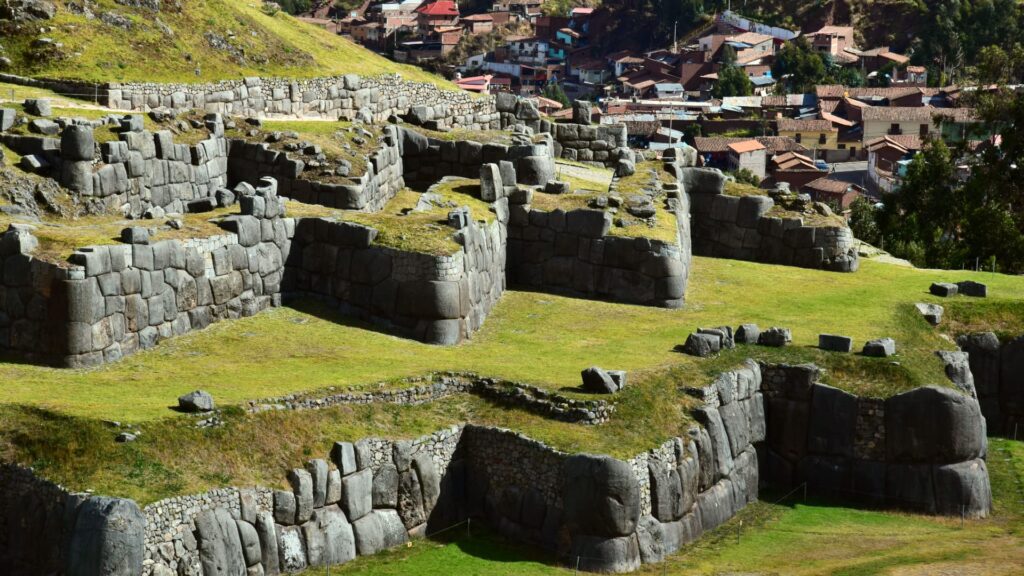
Day 2. The Sacred Valley VIP tour picks you up around 7:00 a.m.: the Awanacancha or Sulca textile center, Pisac, a gourmet lunch in Urubamba, Ollantaytambo, Moray and Maras. You’re back between 6:00 and 7:00 p.m. The highest point of the day is Chinchero, at about 3,800 m (12,470 ft).
Day 3. The Machu Picchu Full Day tour leaves around 4:00 a.m., takes the train to Aguas Calientes and a bus up to the citadel, at 2,430 m (7,970 ft), for the guided visit. From 2027 a guide is mandatory at Machu Picchu, and our tours already include one. You’re back in Cusco between 8:00 and 10:00 p.m. The details of these three days are in our guide to 3 days in Cusco.
Days 4 and 7: Getting Between the Cities
The transfers are travel days: count them that way, with no tours. We don’t give schedules or prices because they change often.
- Day 4, Cusco to Puno: a full travel day by road, by bus or by tourist bus with stops along the way. On some days of the week there’s also a train.
- Day 7, Puno to Arequipa: also by road. This is the stretch where you come down in altitude.
- Juliaca: it has an airport, about 1 hour from Puno, and the usual connection is from Lima. It’s useful if you start or end the route in Puno.
- Leaving from Arequipa: there are flights to Lima. Since the Colca tour is back around 5:00 p.m., book your flight for that night or the next day.
Transport between cities isn’t part of the tours: you can arrange it yourself, or we coordinate it for you: just write to us. When you reach Puno, take it easy: it’s higher than Cusco.
Days 5 and 6: Lake Titicaca from Puno
The Uros and Taquile Islands tour picks you up at your hotel in Puno in the morning and leaves from the port. In about 30 to 40 minutes by boat you reach the Uros, floating islands made of totora reeds, and then you sail 2 to 2.5 hours to Taquile, a natural island.

You have lunch with your host family, discover Taquile’s weaving, recognized by UNESCO, and sleep in their home: simple lodging, meant for sharing life with the community. On day 6 you sail back, about 3 hours, and reach Puno in the afternoon. The trails climb to nearly 4,000 m (13,120 ft): walk slowly and bring warm clothes for the night and cash in soles.
One-day alternative: the Sillustani and Lake Titicaca tour (from US$55) picks you up at your hotel in Puno early in the morning, visits the chullpas by Lake Umayo and the Uros, and returns around 4:00 p.m. It doesn’t go to Taquile and leaves day 6 free. With this option, the 9-day plan starts at US$600 (US$240 online). The islands and the weather are covered in our Lake Titicaca guide.
Days 8 and 9: Arequipa and the Colca Canyon
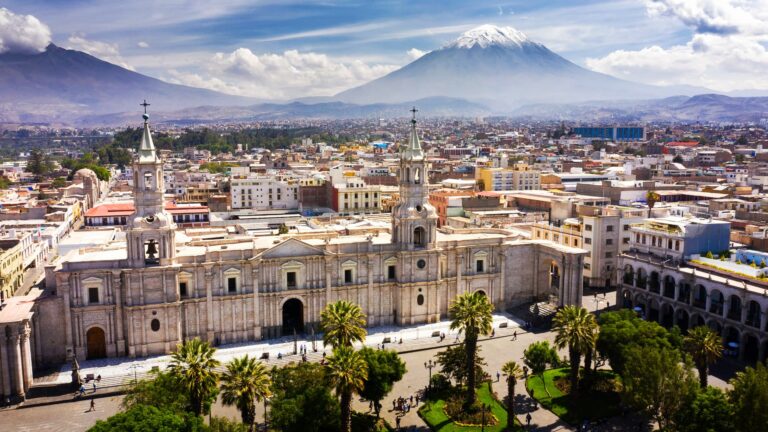
Day 8. Rest in the morning after the day on the road. At 2:00 p.m. we pick you up at your hotel for the City Tour Arequipa: the Plaza de Armas, the Cathedral, the Santa Catalina Monastery, the Museo Santuarios Andinos and the Yanahuara viewpoint, with El Misti in the background. You finish around 5:30 p.m.
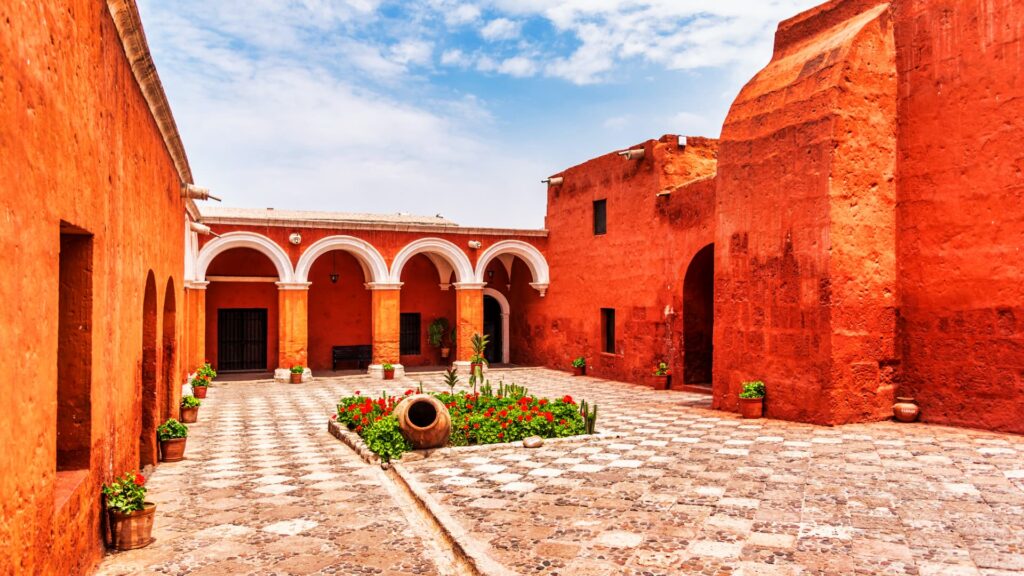
Santa Catalina, from the 16th century, is a small city of lanes and colorful walls where cloistered nuns lived; its entrance fee is paid separately, in soles, at the door. Go to bed early that night.
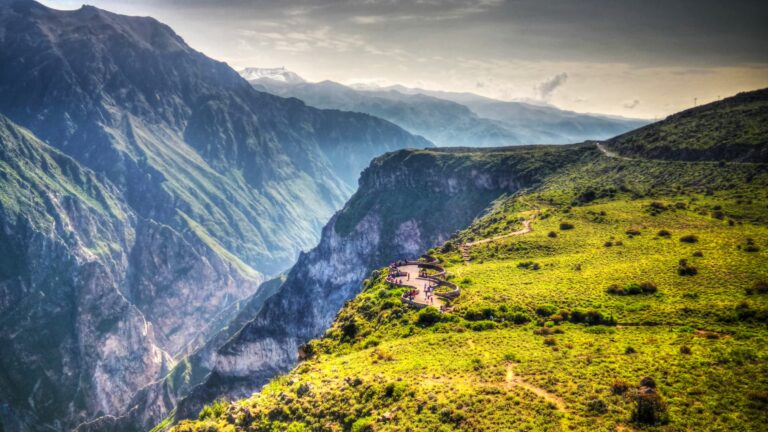
Day 9. The Colca Canyon tour picks you up at your hotel at 3:30 a.m. The road crosses the puna and reaches about 4,900 m (16,080 ft) near Patapampa, and in the morning you’re at the Condor Cross (Cruz del Cóndor), where condors usually glide, although sightings can’t be guaranteed.
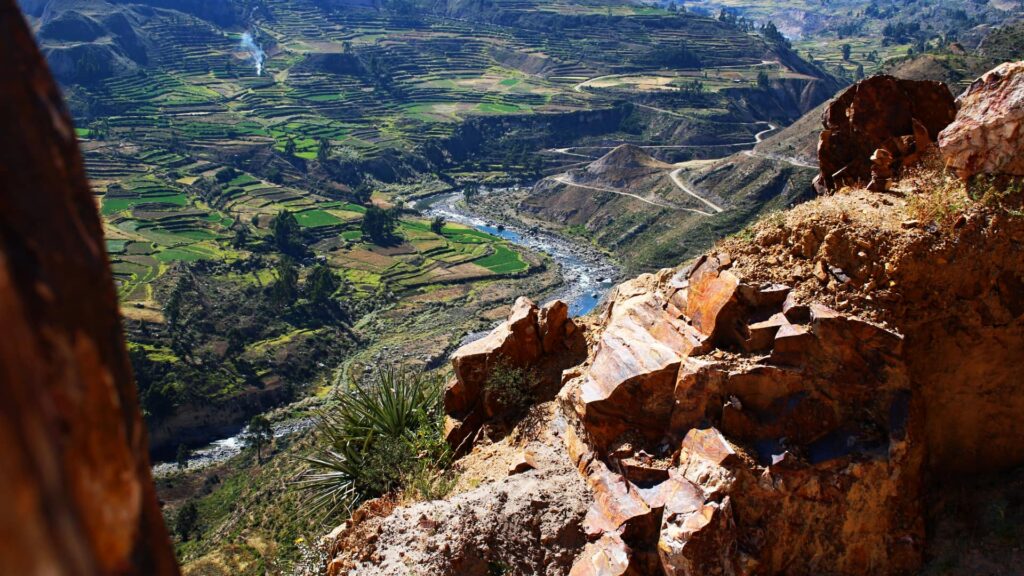
Next come the valley’s terraces and lunch in Chivay, at about 3,600 m (11,810 ft), and you’re back in Arequipa around 5:00 p.m. Here the direction of the route pays off: you arrive acclimatized from Cusco and Puno. Learn more about the valley in our Colca Canyon guide; if you’re only visiting Arequipa, see our plan for 2 days in Arequipa.
Cusco, Puno and Arequipa Itinerary in 7 Days and Other Options
If you have less time, this is the short version:
| Day | City | Tour | From |
|---|---|---|---|
| 1 | Cusco | Arrival and the Cusco City Tour in the afternoon | US$40 |
| 2 | Cusco | Machu Picchu Full Day | US$300 |
| 3 | Cusco → Puno | Travel day by road | — |
| 4 | Puno | Sillustani and Lake Titicaca | US$55 |
| 5 | Puno → Arequipa | Travel day by road | — |
| 6 | Arequipa | City Tour Arequipa in the afternoon | US$60 |
| 7 | Arequipa | Colca Canyon; departure flight that night or the next day | US$55 |
| Total | 5 tours | From US$510 (US$204 online) |
US$40 + US$300 + US$55 + US$60 + US$55 = US$510. In exchange, you leave out the Sacred Valley and the night on Taquile, and the Full Day, a 16- to 18-hour day, comes right after you arrive.
With Machu Picchu in 2 days: if you’d rather sleep in Aguas Calientes, swap the Full Day for the 2-day Machu Picchu tour (from US$350, with tourist-class train and hotel included). It takes days 3 and 4, you’re back in Cusco between 7:00 and 9:00 p.m., and the route becomes 10 days, from US$690 (US$276 online).
What the Tours Don’t Include
To help you budget, these are paid separately:
| Tour | Not included |
|---|---|
| All | Transport between cities, hotels (except the night on Taquile), tips and travel insurance |
| Cusco City Tour | Lunch |
| Sacred Valley VIP | Breakfast and market shopping |
| Machu Picchu Full Day | Lunch in Aguas Calientes; Huayna Picchu or Machu Picchu Mountain (optional) |
| Uros and Taquile Islands | Extra drinks, snacks and handicrafts |
| City Tour Arequipa | Santa Catalina Monastery entrance (in soles, at the door), meals and drinks |
| Colca Canyon | Colca tourist ticket (mandatory; the price depends on nationality), breakfast, dinner and the Chivay hot springs (optional) |
Best Time for the Southern Peru Route
All these tours run year-round. The dry season runs from April to October, with clear skies for the lake, the volcanoes and the canyon. Machu Picchu’s high season is June to August, when tickets sell out sooner. From November to March it rains more and the landscape is greener: bring a poncho or a rain jacket.
Nights in Puno are cold, especially in the dry season. Month-by-month weather is in our guide to the best time to visit Cusco.
How to Book the Route: Machu Picchu First
Book with 40%: for each tour you pay just 40% online and the balance when you arrive in Peru. For the 9-day plan that’s US$256 in total, and for the 7-day plan, US$204. Start with Machu Picchu and we’ll build the rest of the route around that date.
Machu Picchu comes first because it has quotas: your ticket is secured subject to availability, so it’s best to book early, and in high season 1 to 2 months ahead. Once that date is confirmed, count forward for the rest of the route. In the dry season, also book Uros and Taquile early to secure your lodging on the island.
Frequently Asked Questions
How many days do I need for Cusco, Puno and Arequipa?
We recommend 9 days: 3 in Cusco, 2 on Lake Titicaca, 2 in Arequipa and 2 travel days between cities. You can do it in 7, but you’ll leave out the Sacred Valley and the night on Taquile.
Which order is best for the route?
Cusco, Puno, then Arequipa. You acclimatize in Cusco before Puno, which is higher, and finish in Arequipa, which is lower. The reverse direction also works, but Colca comes before you’re acclimatized.
How do you travel from Cusco to Puno?
By road, by bus or by tourist bus with stops along the way; on some days of the week there’s also a train. It’s a travel day, with no tour.
How much does the route cost with tours?
From US$640 per person for the 9-day plan (US$256 online) and from US$510 for the 7-day plan (US$204 online). Transport between cities, hotels and the Santa Catalina and Colca entrance fees are extra.
Can I do it in 7 days?
Yes: the City Tour and Full Day in Cusco, Sillustani in Puno, and the City Tour and Colca in Arequipa, with two travel days. It’s a faster pace, with Machu Picchu the day after you arrive.
Is a guide mandatory at Machu Picchu?
Yes, from 2027. Both of our Machu Picchu tours already include the guide, along with the tourist-class train, the bus and the entrance ticket.
Plan Your Cusco, Puno and Arequipa Itinerary with a Local Operator
If the plan works for you, book your Cusco days and then the Uros and Taquile Islands tour, the City Tour Arequipa and the Colca Canyon tour. You pay 40% of each online and the balance when you arrive in Peru. Guides in English, Spanish and Portuguese.
Would you like us to plan the whole route around your dates? Write to us and we’ll suggest the order of the tours, from Machu Picchu to Colca.