English
 Español
 Português


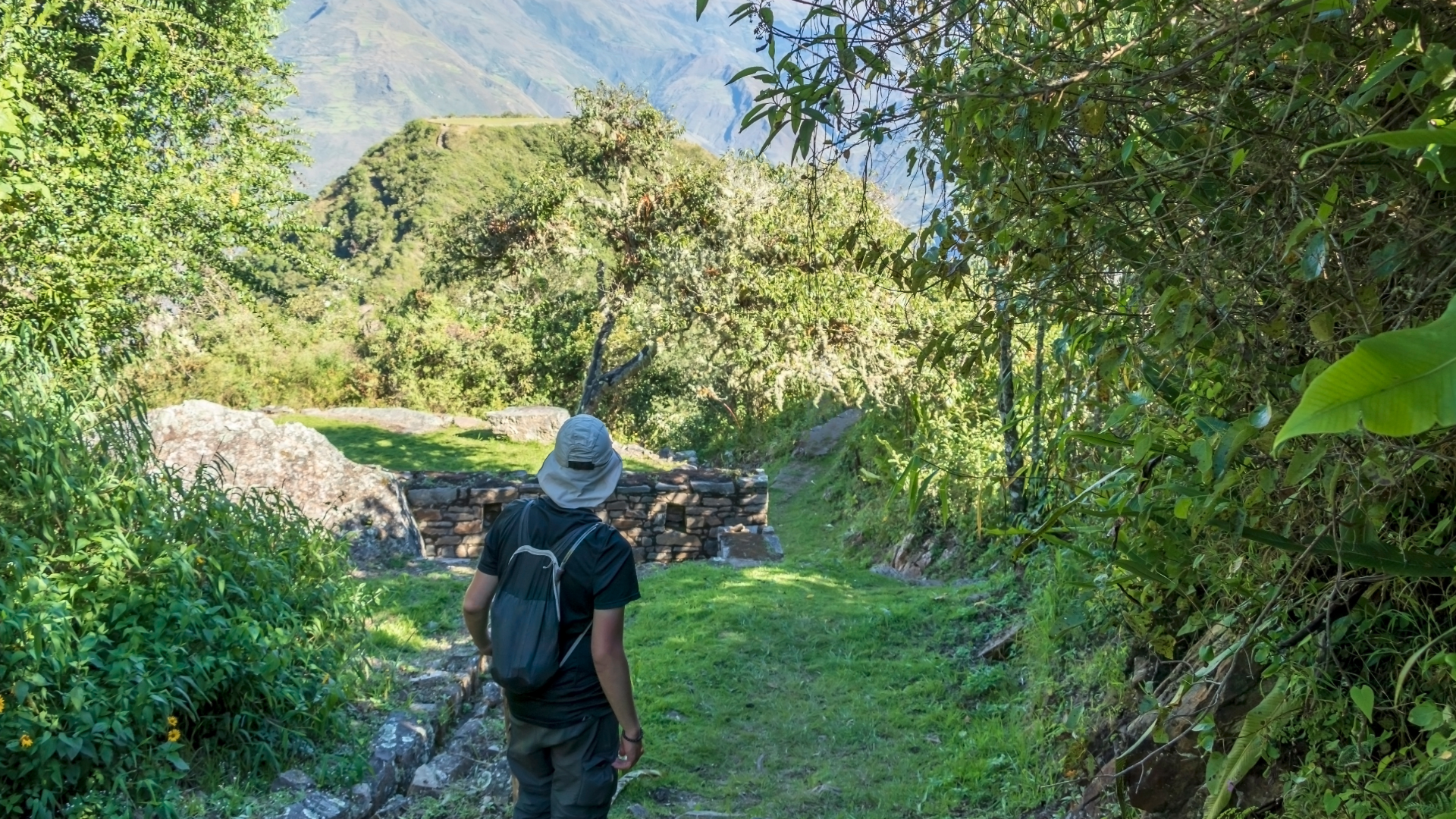
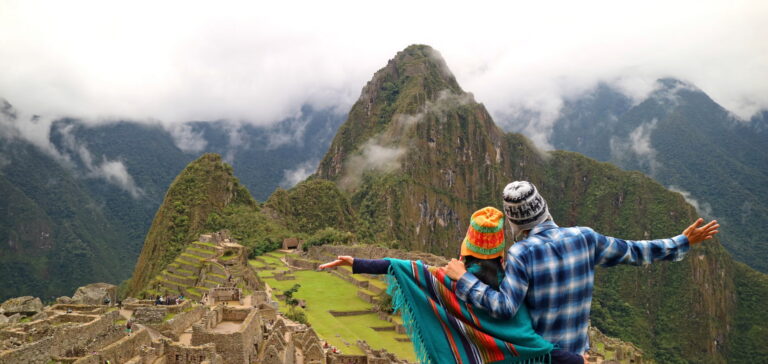
Wondering what to pack for Machu Picchu? For a day at the citadel: your original passport, a small backpack, layers, a rain poncho or waterproof jacket, sunscreen and water; the entrance ticket is already included in our tours. For the Inca Trail or Salkantay, add broken-in hiking boots, a sleeping bag, a headlamp, a warm hat and gloves.
We are a local operator based in Cusco, and this is the list we give our travelers for 2027: what the tour provides and what you bring, what to pack for the train and for the treks, the citadel’s rules and the seasons.
What to Pack for Machu Picchu: What the Tour Provides and What You Bring
Much of what is heavy or expensive is already covered by our tours: the train, the bus, the entrance ticket and, on the treks, the tents, the meals and the gear carried by porters or muleteers. This is what each trip provides:
| Item | Full Day / 2 days | Inca Trail (classic and short) | Salkantay | Lares |
|---|---|---|---|---|
| Transport and train | Included: private transfer, round-trip train and bus to the citadel | Included: transport or train to the trailhead, return train and bus | Included: transport to Soraypampa, return train and bus | Included: transport to Lares, round-trip train and bus |
| Entrance ticket | Included | Included, along with the Inca Trail permit | Included, plus Humantay Lake | Included |
| Meals | You pay; on the 2-day tour, day 2 breakfast is included | Included on the trail; you pay for day 1 breakfast and the last lunch | Included on the trek; you pay for day 1 breakfast and day 5 lunch | Included on the trek; you pay for day 3 dinner, day 4 lunch and dinner, and snacks |
| Campsite | None; on the 2-day tour, hotel included | Classic: included (tents and sleeping mats); short: hotel included | Included (tents and sleeping mats), plus a hotel on night 4 | Included (tents and sleeping mats), plus a hotel on night 3 |
| Porters or muleteers | None: you carry a small bag | Classic: porters included, who carry up to 15 kg of your gear (sleeping bag and clothes); short: none, you carry your backpack | Muleteers with horses included; you carry your own clothes and sleeping bag | Porters and muleteers included, who carry up to 15 kg of your gear (sleeping bag and clothes); you carry your daypack |
| Sleeping bag | Not needed | Classic: bring your own or rent one from us; short: not needed | We rent you one | We rent you one |
| Trekking poles | Not allowed inside the citadel, unless you need them (ask for permission at the entrance); storage at the entrance, about S/ 5 | Optional: bring your own or rent them from us, with rubber tips | We rent them to you | Optional: bring your own or rent them from us |
| Travel insurance | You bring it | You bring it | You bring it | You bring it |
Tips, personal expenses and meals not listed as included are on you. To see how each option adds up, read our guide to Machu Picchu cost.
What to Pack for Machu Picchu on a 1- or 2-Day Visit
If you travel by train on the Machu Picchu Full Day or the Machu Picchu 2 days tour, you don’t need mountain gear. It is a long day, with stone stairs and changing temperatures. Here is the list:
- Documents: your original passport. It is required to enter Machu Picchu and to board the train; a digital passport or a photo won’t work.
- Clothing: light, comfortable clothes for the day and a warm jacket for the pre-dawn departure and the evening return.
- Rain: a rain poncho or a light waterproof jacket. Umbrellas are not allowed inside Machu Picchu.
- Footwear: comfortable sneakers or light hiking shoes with good grip for the stone stairs and paths.
- Sun and insects: sunscreen, sunglasses, a cap or hat, and insect repellent.
- Water and snacks: a reusable bottle and something light for the journey, because eating is not allowed inside the citadel.
- Small backpack: no larger than 40 x 35 x 20 cm (about 16 x 14 x 8 in).
- Cash in soles: for lunch in Aguas Calientes, restrooms and small purchases. Not every place accepts cards.
- Health: your own medication, painkillers and something for an upset stomach. Coca tea helps with the altitude; take altitude medication only if your doctor prescribes it.
If you spend the night in Aguas Calientes, add a small overnight bag, plus a swimsuit and towel if you plan to visit the hot springs. Leave your large luggage at your hotel in Cusco: trains to Machu Picchu have a carry-on limit.
What not to bring into the citadel: umbrellas, a large backpack, trekking poles (unless you need them and ask at the entrance) or food. And a copy of your passport does not replace the original.
What to Pack for the Inca Trail and Multi-Day Treks
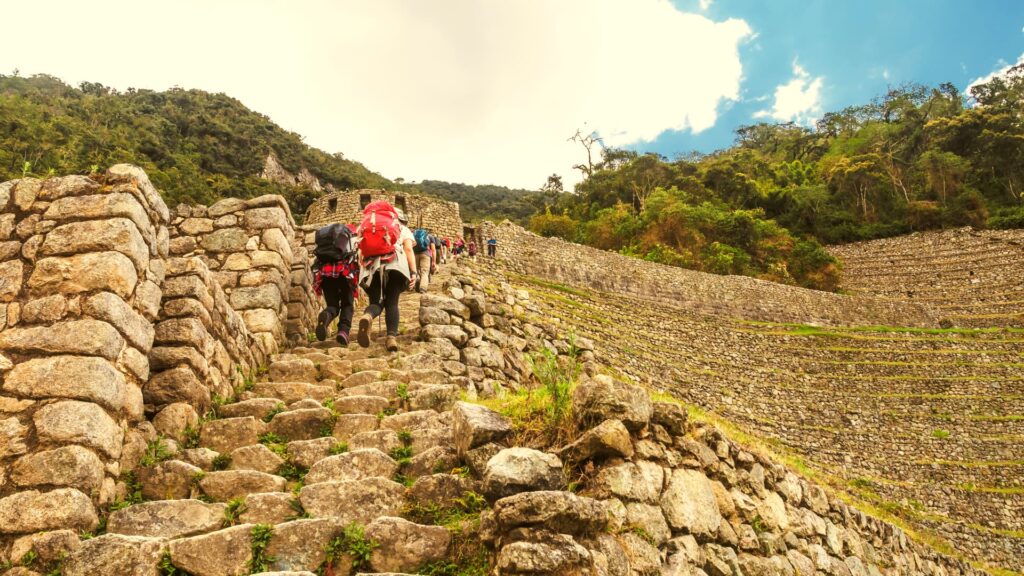
On a multi-day trek you sleep in the mountains and cross high passes where the weather changes fast. We explain the routes that reach the citadel on foot, and their permits, in our Inca Trail to Machu Picchu guide. This is the list for the Classic Inca Trail, the Salkantay trek and the Lares trek:
- Original passport, the same one used for your permit: on the Inca Trail it is checked at the trailhead and at Machu Picchu.
- Layers: a thermal base layer, a fleece and a waterproof jacket, plus light clothes for hiking during the day.
- For the rain: waterproof pants or a poncho, because mountain weather changes fast.
- A wool hat, gloves and a scarf or neck gaiter for early mornings, nights and the high passes.
- Hiking boots that are waterproof, comfortable and already broken in, never new, plus spare socks. On the Salkantay, also sandals or light sneakers for camp.
- A sleeping bag, your own or rented from us, and a headlamp with spare batteries.
- A reusable water bottle and energy snacks.
- A daypack for what you need during each day’s hike.
- Sunscreen, sunglasses, a hat and insect repellent.
- Cash in soles for tips, restrooms, meals not included and small purchases.
- First-aid kit: painkillers, blister plasters and your own medication. Take acetazolamide (Diamox) only after consulting your doctor; more tips in our guide to altitude sickness in Peru.
- For Lares, a swimsuit and a small towel for the hot springs.
What the porters carry and what you carry. On the Classic Inca Trail, porters and cooks carry the tents, sleeping mats and food, and the porters also carry up to 15 kg of your gear (sleeping bag and clothes); if you want to bring more, it is hired separately. You only carry a small backpack. The trail crosses Dead Woman’s Pass at about 4,215 m (13,829 ft), and campsite nights can get close to 0 °C (32 °F): keep one dry, warm layer for sleeping.
On the Short Inca Trail there are no porters: everyone carries their own backpack with water and snacks. Since the night is spent in a hotel, you don’t need a sleeping bag.
On the Salkantay, which reaches about 4,600 m (15,090 ft), muleteers and their horses carry the kitchen gear and tents, but not personal luggage: you carry your own clothes and sleeping bag, so pack light. If you need one, you can request a riding horse, paid separately. On Lares, porters and muleteers carry the camping gear and up to 15 kg of your gear (sleeping bag and clothes); if you want to bring more, it is hired separately. You hike with your daypack.
Still choosing a route? We compare them in Inca Trail vs Salkantay vs Lares.
Book with just 40%: all our tours are booked by paying 40% online, and the balance is paid when you arrive in Peru. On the Classic Inca Trail that’s US$260 today and US$390 on arrival; on the Salkantay, US$220 today and US$330 on arrival. Inca Trail permits are limited: don’t leave it until the last minute.
What Can You Bring into Machu Picchu? Entry Rules

- Original physical passport. You show it at the entrance checkpoint; a photo or a copy won’t work. Its details must match those on your ticket.
- Small backpack. Large backpacks are not allowed; we recommend one no larger than 40 x 35 x 20 cm.
- No food. Eating is not allowed inside the citadel: eat before or after, in Aguas Calientes.
- No umbrellas. For rain, use a poncho or waterproof jacket.
- Trekking poles. Not allowed inside the citadel, except for people who need them, who can ask for permission at the entrance; if you arrive from a trek, you can leave them in the storage at the entrance for about S/ 5. On the Inca Trail, only with rubber tips, to protect the Inca stonework; metal-tipped poles are not allowed without a cover.
The official platform publishes which items are allowed: check it before you go, because the rules can change. Circuits, routes and how to buy your ticket are covered in our guide to Machu Picchu tickets.
What to Pack for Machu Picchu by Season
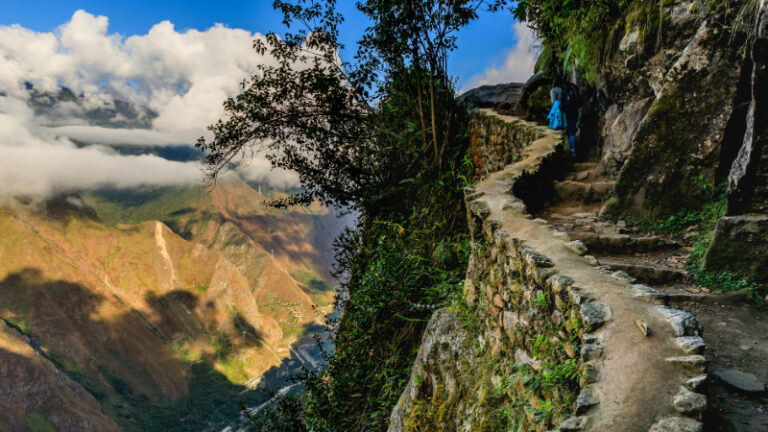
Machu Picchu sits at about 2,430 m (7,972 ft), on the edge of the cloud forest: mild days, cool nights and humidity all year. In any month, dress in layers, because mornings can be cold and midday warm.
Dry season (roughly April to October). Add a warm layer for early morning, especially from June to August, and extra sun protection for the middle of the day. On the treks there is less mud, but nights up high are colder.

Rainy season (roughly November to March). Bring a poncho or waterproof jacket, quick-dry clothes, a change of socks and a cover or bag to protect your phone and camera. Stone steps get slippery, and on the treks the trail can be muddy. The Inca Trail closes for all of February for maintenance.
April and October, at the edges of the dry season, can still bring some rain: pack a rain layer just in case. On the Salkantay you go from very cold nights up high to the humid heat of the jungle, so layers matter in any month. If you travel in the rainy season, sleeping in Aguas Calientes on the 2-day Machu Picchu tour gives you more room to choose the best moment. Month by month, see our guide to Machu Picchu weather.
What Can You Rent in Cusco?
We rent you sleeping bags and trekking poles for the treks, and other gear you may need can be rented in Cusco. On the Salkantay, a warm sleeping bag is a good idea, because the night at Soraypampa is very cold. Write to us before your trip if you need anything.
Boots, on the other hand, should come from home and be broken in: never start a trek in new boots. And before hiking, spend at least 2 days in Cusco, at about 3,400 m (11,155 ft), to acclimatize; we explain why in our guide to Cusco elevation.
Frequently Asked Questions
Can I bring a backpack into Machu Picchu?
Yes, but a small one: we recommend no larger than 40 x 35 x 20 cm. Large backpacks are not allowed inside the citadel, and large luggage stays at your hotel in Cusco.
Can I bring food to Machu Picchu?
Snacks for the journey, yes; eating inside the citadel, no. On the one-day visit you have lunch afterwards in Aguas Calientes, and that lunch is not included.
Does a digital passport or a copy work?
No. An original physical passport is required to enter Machu Picchu; a photo or a copy won’t work. On the Inca Trail, it must also be the same passport used for your permit.
What shoes should I wear to Machu Picchu?
For the train visit, comfortable sneakers or light hiking shoes with good grip are enough. For the Inca Trail, Salkantay or Lares, wear waterproof hiking boots that are already broken in.
Do I need to bring cash?
Yes, in soles: for meals not included, restrooms, tips and small purchases. Not every place in Aguas Calientes accepts cards.
Travel to Machu Picchu with the Essentials Already Covered
With our tours the train, the bus and the entrance ticket are already included, and on the treks you don’t carry tents or kitchen gear: you only bring the backpack on this list. If you want to arrive on foot, book the Classic Inca Trail 4 days, from US$650, or the 2-day Short Inca Trail, from US$450. If you prefer the train, the Machu Picchu Full Day tour from Cusco starts at US$300 with a tourist-class train. You pay only 40% online and the rest when you arrive in Peru.
Questions about your gear or your route? Write to us with your dates and we’ll help you.