English
 Español
 Português


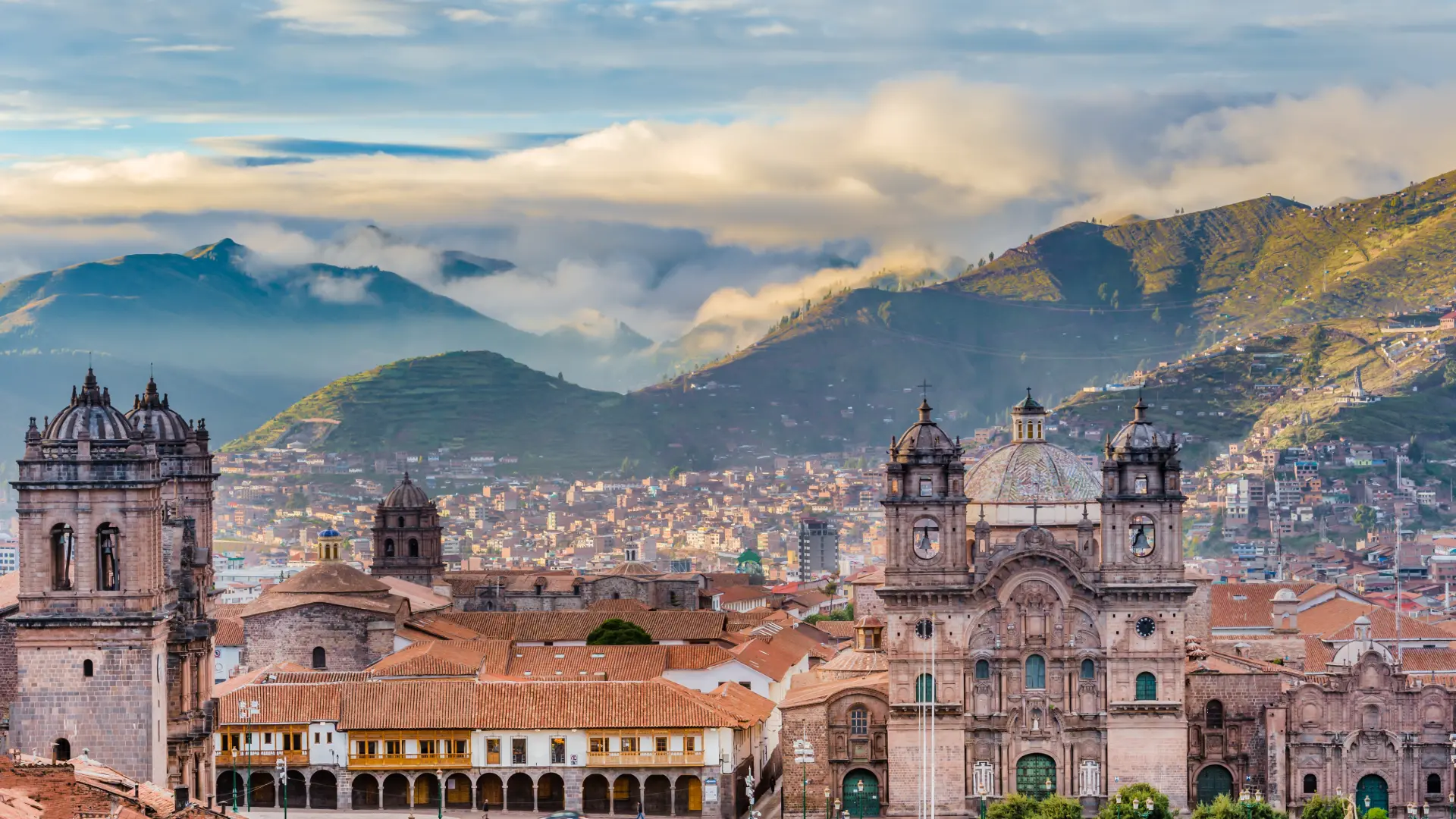
Cusco Cathedral, the Cathedral Basilica of the Virgin of the Assumption, is the city’s main church and stands over the Plaza de Armas. Construction began in 1560 on the Kiswarkancha, a palace attributed to the Inca Wiracocha, and it holds one of the most important collections of colonial art in the Andes. You visit it with a ticket, and our Cusco City Tour includes it with entrance and a guide.
In short: it is three churches in one (El Triunfo, the Cathedral and La Sagrada Familia), with Marcos Zapata’s Last Supper with a guinea pig, the María Angola bell and the Lord of the Earthquakes, patron of Cusco. The Cusco City Tour starts here and costs from US$40; you book it by paying just 40% online.

Cusco Cathedral at a glance
| Fact | Detail |
|---|---|
| Name | Cathedral Basilica of the Virgin of the Assumption |
| Where | On the northeast side of the Plaza de Armas |
| Built | From 1560; first mass in 1654 and consecrated in 1668 |
| Built on | The Kiswarkancha, a palace attributed to the Inca Wiracocha |
| The complex | Three churches: the chapel of El Triunfo, the Cathedral and the chapel of La Sagrada Familia |
| Heritage | Part of the City of Cuzco, a UNESCO World Heritage Site since 1983 |
| Visit | With a ticket; included in our Cusco City Tour, with a guide |
History: from Inca palace to cathedral
After the Spanish arrived, the Inca palaces around the great square were divided up and churches were built on top of them. The first church went up where the chapel of El Triunfo stands today; its name recalls the Spanish victory over Manco Inca in 1536.
The Cathedral was begun in 1560 on the Kiswarkancha. The work took almost a century: the first mass was held in 1654 and it was consecrated in 1668.
In 1650, while it was being built, a great earthquake shook Cusco. That is the origin of the devotion to the Lord of the Earthquakes (Señor de los Temblores), the Christ kept in the Cathedral today and regarded by the people of Cusco as their patron.
What to see inside the Cathedral
The Last Supper with a guinea pig
It is the Cathedral’s most famous painting. Marcos Zapata, one of the great artists of the Cusco School, painted it in 1753, and in the middle of the table there is a cuy (guinea pig), the Andean dish you will meet in our Andean food guide. It shows how local painters blended the European tradition with Andean details.
Cusco School paintings
The walls are covered with colonial canvases of the Cusco School, the style of religious painting that developed in Cusco with Indigenous and mestizo artists. You will see Virgins in triangular mantles, saints and biblical scenes with Andean landscapes and details.
The Lord of the Earthquakes
It is the most revered image in Cusco. Every Holy Monday it leaves the Cathedral after mass and is carried around the Plaza de Armas among thousands of faithful, who throw petals of ñucchu, a red Andean flower. In 2027 the procession is on Monday, March 22; the other dates are in our Cusco festivals guide.
The María Angola bell
One of the towers holds the María Angola bell, cast in 1659. It is rung only on special occasions.
The chapels of El Triunfo and La Sagrada Familia
To the right of the Cathedral is the chapel of El Triunfo, on the site of the square’s first church, and to the left the chapel of La Sagrada Familia, from the 18th century.

The Cathedral during the 2027 festivals
| Festival | 2027 date | What happens at the Cathedral |
|---|---|---|
| Holy Monday | March 22 | The Lord of the Earthquakes is carried in procession around the Plaza de Armas |
| Corpus Christi | Saints arrive on May 26; feast on May 27; octave on June 3 | Saints and Virgins from the parishes stay in the Cathedral for several days |
How to visit Cusco Cathedral
- Entry: you need a ticket. Our Cusco City Tour includes it, with a guide who explains the works.
- Photos: photography may be restricted inside; follow the staff’s and your guide’s instructions.
- A guide makes a difference: most works have no labels, and a guide helps you find the Last Supper, the Lord of the Earthquakes and the Andean details in the paintings.
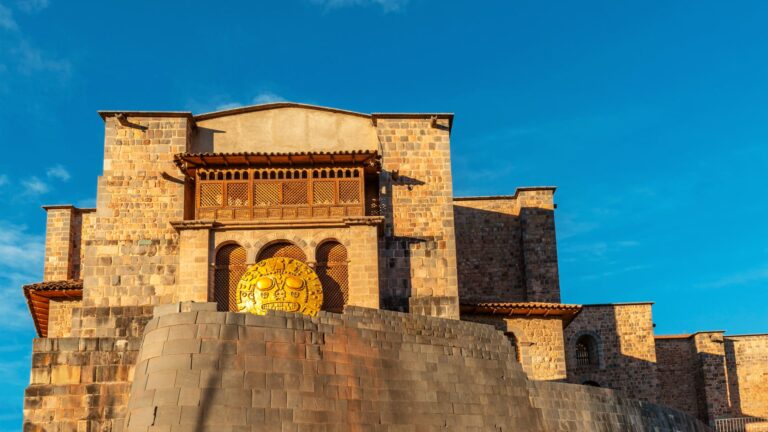
- Nearby: the Qorikancha, the Inca Temple of the Sun, is a few blocks away; the City Tour continues there.
Tours to see the Cathedral and colonial art
| Tour | What it includes | Price | Pay online (40%) |
|---|---|---|---|
| Cusco City Tour | Cathedral, Qorikancha, Sacsayhuamán and 3 more sites, with entrance fees and a guide | US$40 | US$16 |
| South Valley Tour | Tipón, Pikillacta and the church of Andahuaylillas, another gem of colonial art | US$45 | US$18 |
| Sacred Valley VIP | Pisac, Ollantaytambo and the Sacred Valley in one day | US$90 | US$36 |
| Machu Picchu Full Day | Train, bus, entrance and guide | US$300 | US$120 |
Book with 40%: all our tours are booked by paying just 40% online; the balance is paid when you arrive in Peru. The City Tour runs in the afternoon and includes hotel pickup.
Frequently asked questions
How long did it take to build Cusco Cathedral?
Almost a century: it was begun in 1560, the first mass was in 1654 and it was consecrated in 1668.
Do you have to pay to enter Cusco Cathedral?
Yes, you need a ticket. On our Cusco City Tour the entrance is already included.
Where is the Last Supper with the guinea pig?
Inside the Cathedral. It is by Marcos Zapata (1753); ask your guide to show it to you.
What is the Lord of the Earthquakes?
It is the most revered Christ in Cusco, kept in the Cathedral. Its name comes from the 1650 earthquake, and every Holy Monday it is carried in procession around the Plaza de Armas.
Want to see the Cathedral with a local guide? Book your Cusco City Tour by paying 40% online, or contact us and we will help you plan your days in Cusco.