English
 Español
 Português


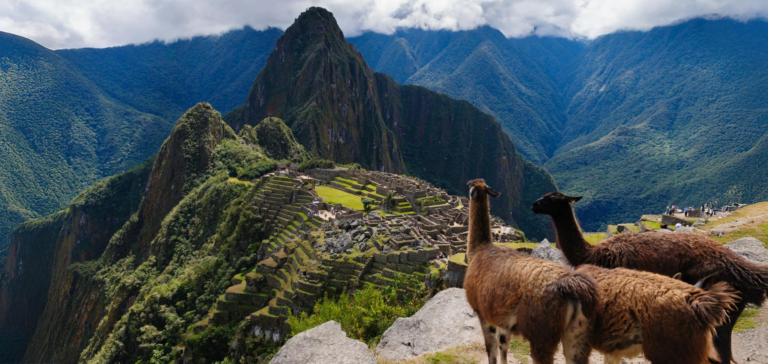
Inca astronomy shaped Cusco’s architecture in very concrete ways. The Incas aligned temples such as the Qorikancha with the solstices, organized their sacred sites along lines called ceques and used windows, carved rocks and hilltop markers to follow the sun and set the farming and religious calendar. Here is where you can still see it.
What was Inca astronomy used for?
For the Incas, the order of the earthly world had to reflect the harmony of the sky. The sun (Inti), the moon (Mama Killa), the stars and the constellations influenced daily life, agriculture and religion. Careful observation of the sky allowed them to keep an accurate calendar: to know when to plant, when to harvest and when to hold the great ceremonies, especially around the solstices and equinoxes.
Andean astronomers also looked at the sky differently from Europeans. Besides star patterns, they recognized “dark constellations” in the shadows of the Milky Way, which they saw as a celestial river (Mayu). One of the best known is the Yacana, a llama whose appearance in the sky was linked to the rhythms of the herds and the rains. Chroniclers also describe stone pillars on the hills around Cusco that marked the position of the sun on key dates of the calendar.
The Qorikancha: Temple of the Sun and observatory
The Qorikancha, the most sacred temple of the Inca world, is the clearest example of how astronomy influenced Cusco’s architecture. Dedicated to Inti, it was covered in gold, and its layout made it possible to follow the movements of the sun throughout the year. According to accounts of the temple, its windows and niches were aligned with the solstices: around the June solstice, the winter solstice in the Southern Hemisphere, the first rays of the sun entered through one of its main windows and lit the principal altar. That moment symbolized the rebirth of the sun and the renewal of the agricultural cycle. You can visit the Qorikancha on our Cusco City Tour.

Saqsayhuamán and the symbolism of the sky
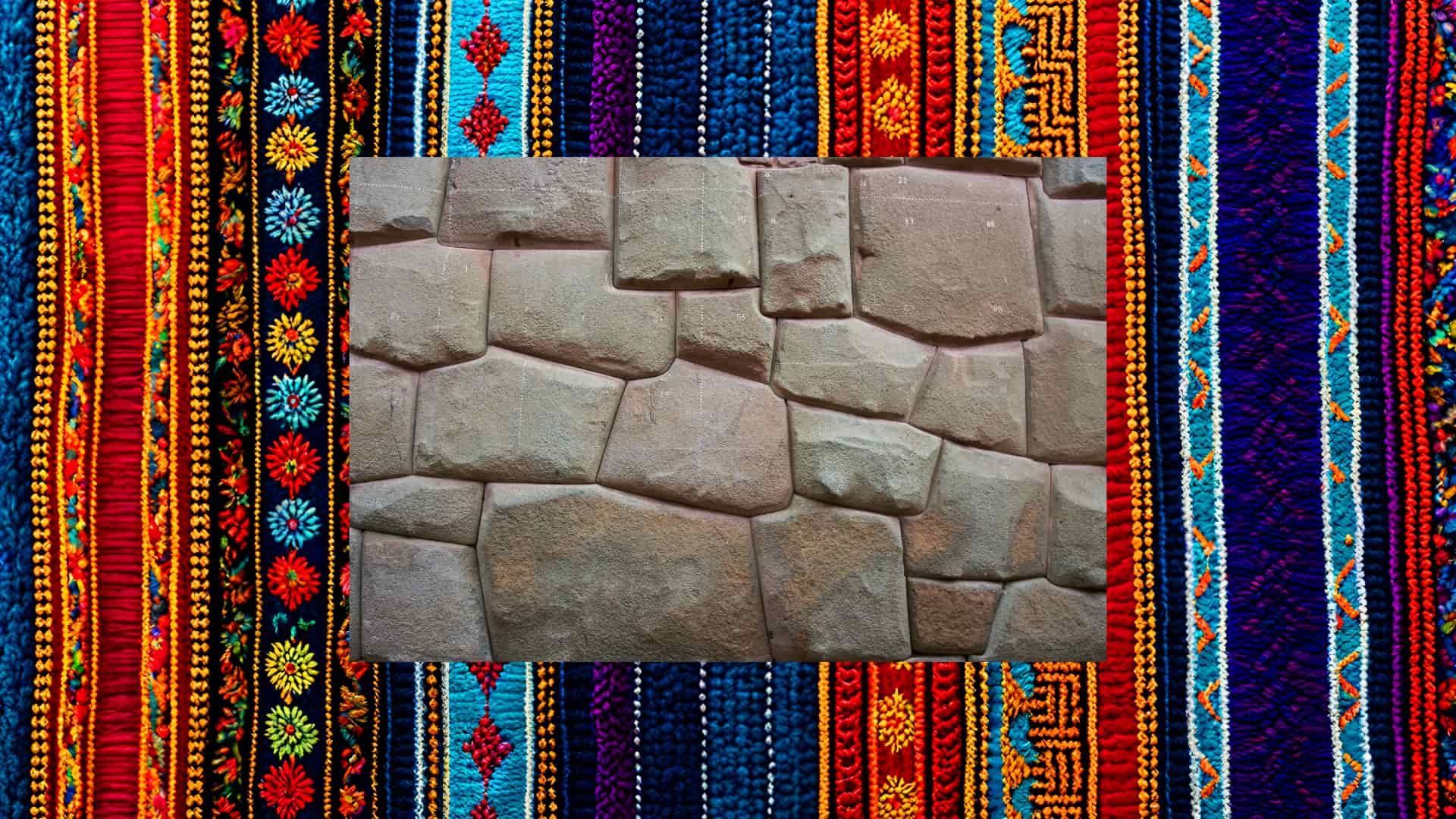
The fortress of Saqsayhuamán, above the city, is a masterpiece of Inca engineering and also an expression of their bond with the cosmos. Some researchers argue that the zigzag shape of its great walls represents the rays of Illapa, the god of lightning and thunder, and that its position over Cusco was chosen with sacred and astronomical points in mind. From its esplanade you can still understand how the Incas read the horizon around the valley.
What were the ceques of Cusco?
The ceques were a network of imaginary lines that organized the sacred space of Cusco. Forty-one of them have been identified, starting from the Qorikancha and radiating in every direction to connect huacas, the sacred places of the Incas: springs, rocks, hills and shrines. Some of these lines pointed to the places where the sun rose or set on important dates.
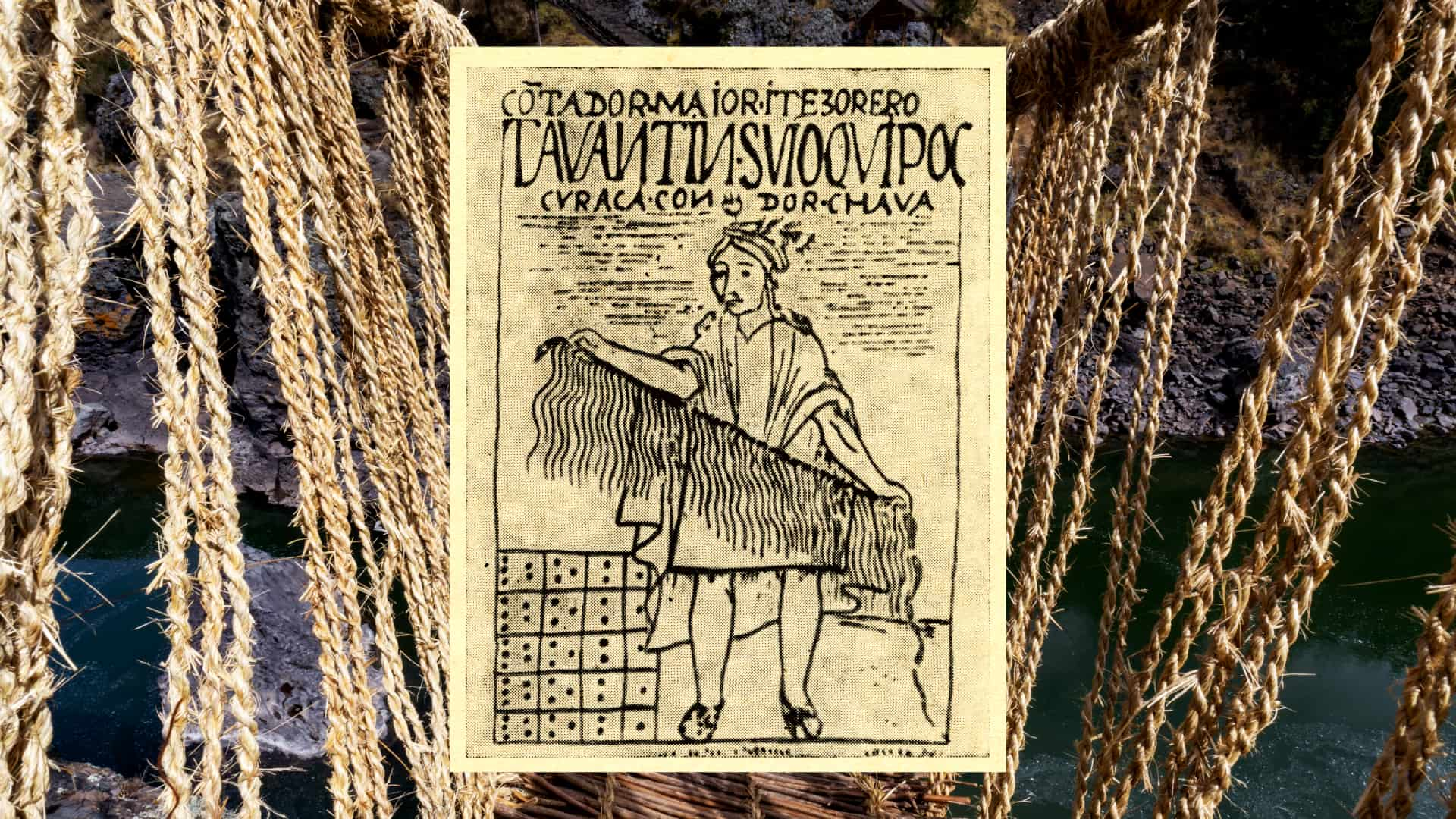
The ceques were used for territorial and ceremonial organization, since different groups of the city were in charge of caring for the huacas on each line, and they also worked as a kind of living calendar. Following the sun and the stars along these lines helped predict the seasons, organize farming and mark the dates of religious festivals. Inca specialists recorded this kind of information on khipus, knotted cords used to keep accounts and records.
Machu Picchu: a solar sanctuary
Machu Picchu, the jewel of Inca architecture, also has a strong relationship with astronomy. Its Temple of the Sun is a semicircular building with windows aligned with the June solstice: on that date, sunlight enters through one of them and falls on a carved rock inside, which suggests both a ceremonial and an astronomical function. Another key point is the Intihuatana, a carved stone that some researchers interpret as a solar marker used to follow the seasons. To see both with an expert explanation, join our Machu Picchu Full Day Tour. For more background, read our guide to the history of Machu Picchu.
Pisac and Ollantaytambo: sky watching in the Sacred Valley
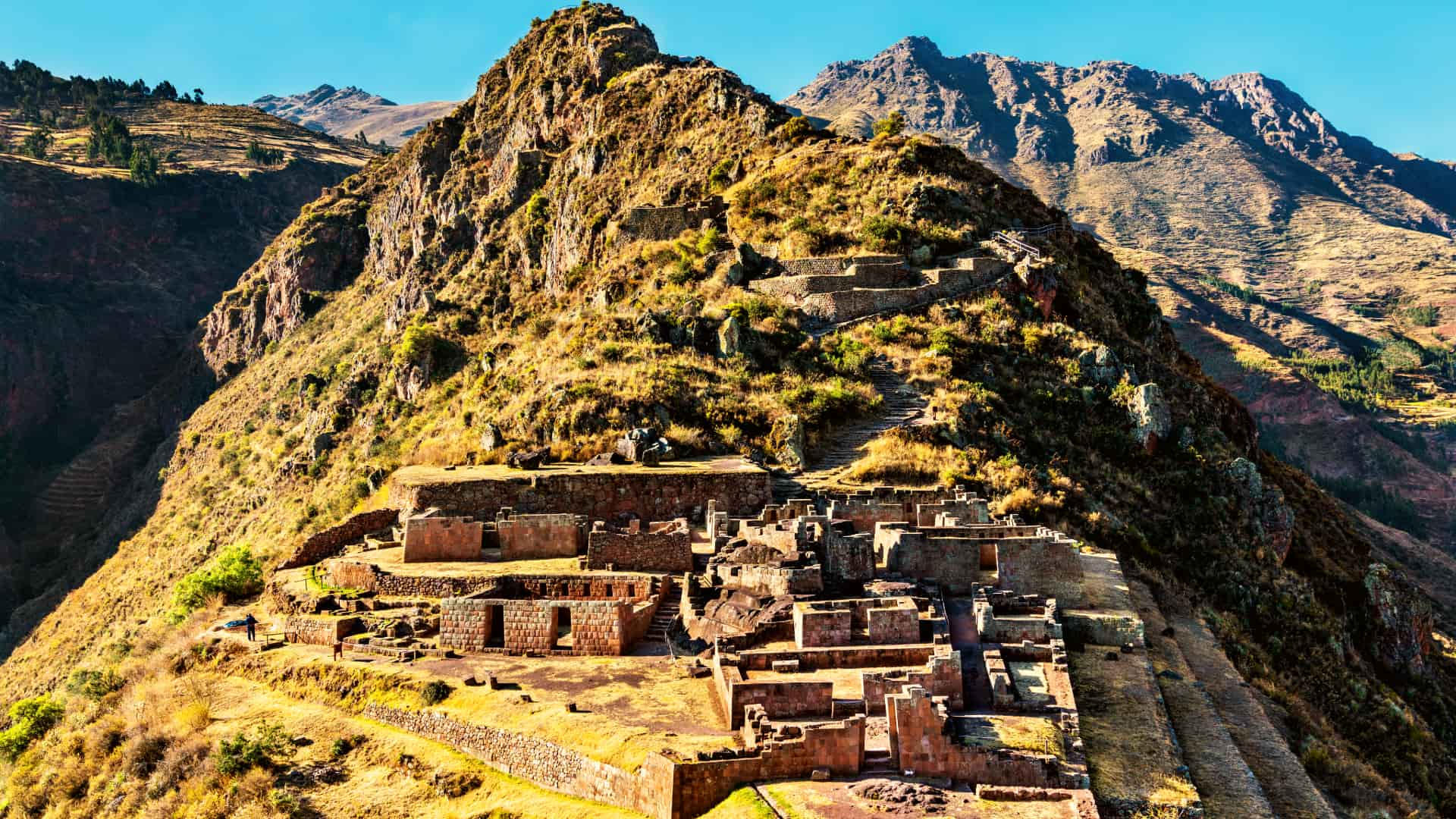
The two great archaeological sites of the Sacred Valley also show Inca astronomical knowledge. In Pisac, archaeologists have identified structures that allow precise observation of the solstices and equinoxes. In Ollantaytambo, the position of walls and temples is aligned with sunrise and sunset on key dates of the Inca calendar.
Where can you see Inca astronomy in Cusco today?
The astronomical legacy of the Incas is still alive in Cusco. The Inti Raymi, the Festival of the Sun, is celebrated every June 24, a few days after the June solstice, with a ceremony that moves from the Qorikancha to the main square and Saqsayhuamán. Researchers and archaeologists also keep finding new evidence that the city and its surroundings were designed with deep knowledge of the sky. We explain how to visit both temples in our guide to the Coricancha and Sacsayhuamán.
Our advice: many of these alignments are easy to miss if nobody points them out. Visit the Qorikancha, Saqsayhuamán and Machu Picchu with a guide who can show you which windows, walls and stones face the sun, and if you travel in June, plan your trip around the solstice and the Inti Raymi.
Understanding this connection with the cosmos turns a visit into a journey of discovery. Every temple, every wall and every ceque is a witness to a civilization that knew how to read the sky and record that knowledge in stone. Beyond the city, the Sacred Valley offers more examples in Pisac and Ollantaytambo.
Explore Inca astronomy with local guides
Cusco is much more than a historic city: it is a living observatory of Andean wisdom. To discover the Qorikancha and Saqsayhuamán with a local guide, book our Cusco City Tour, continue to the Sacred Valley, or contact us to design your itinerary.