English
 Español
 Português


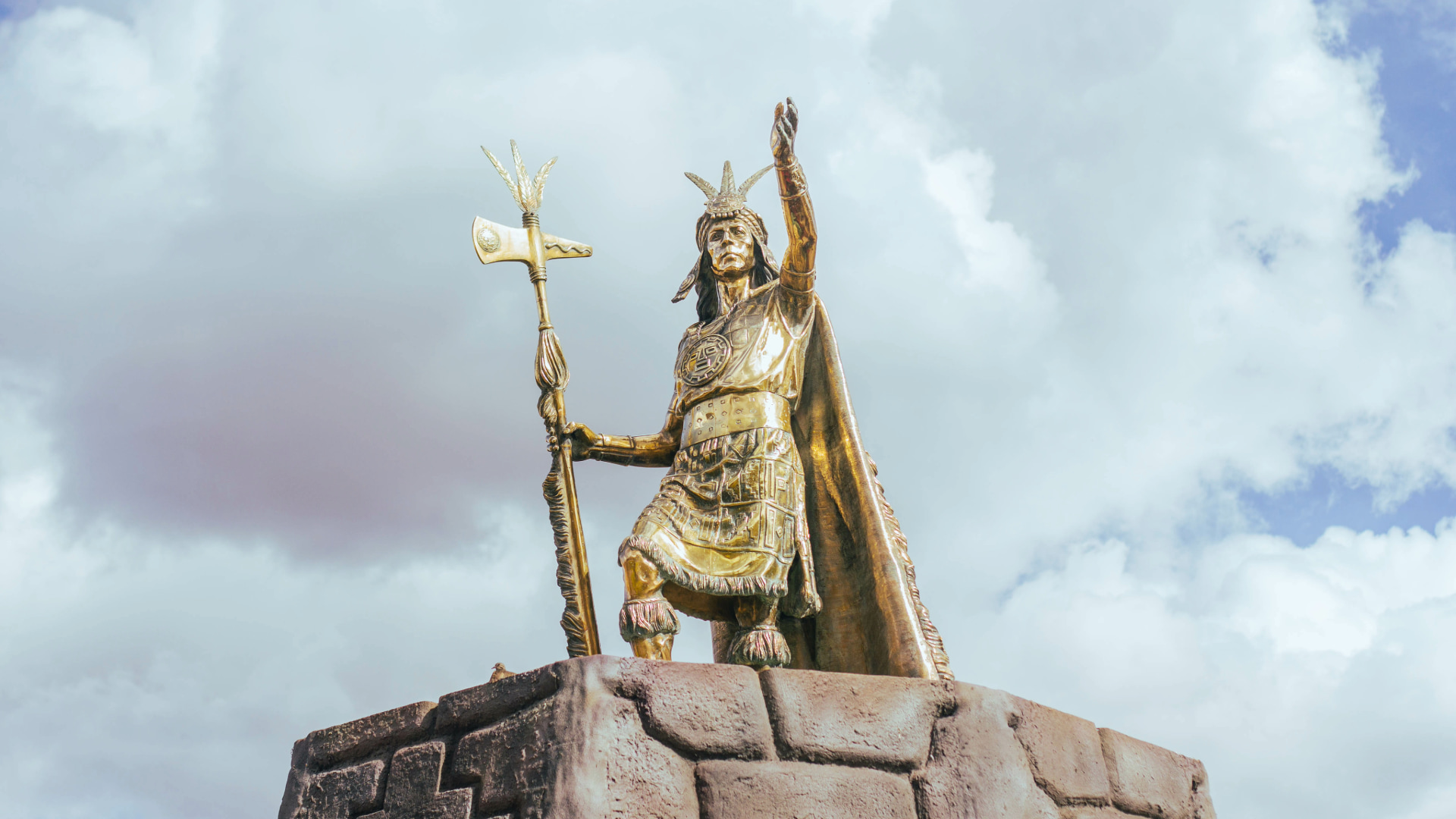
The Inca Empire, or Tahuantinsuyo, was the largest state in pre-Hispanic America. Ruled from Cusco, it grew in roughly a century, from the mid-15th century to the arrival of the Spanish in 1532, under three great rulers: Pachacútec, Túpac Inca Yupanqui and Huayna Cápac, who built its roads, temples and cities.
Here is the big picture. If you want the full story from the beginning, our Inca history series starts with the origins of the Incas.
What was the Inca Empire?
The Incas called their state Tahuantinsuyo, Quechua for “the four regions together”. Cusco was its capital and the point where the four suyos met: Chinchaysuyo to the northwest, Antisuyo toward the Amazon, Collasuyo to the south and Contisuyo toward the Pacific coast. At its height, the Inca Empire stretched from present-day southern Colombia and Ecuador to central Chile and northwestern Argentina.
That growth was remarkably fast. Before the mid-15th century, the Incas controlled little more than the Cusco valley. In about a hundred years they became the dominant power in the Andes, a golden age that shaped their architecture, territory and society.
Who were the great rulers of the Inca Empire?
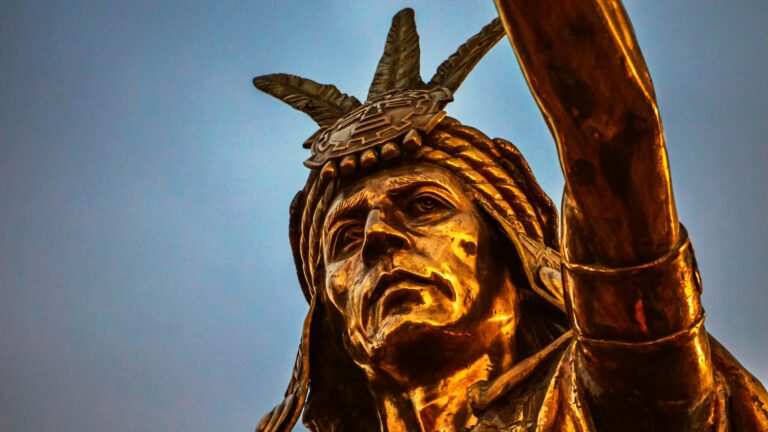
Pachacútec, the architect of the empire
Pachacútec did not inherit the throne by birthright but by merit. When the Chancas attacked Cusco, his father, Inca Viracocha, and the designated heir, Urco, left the city. The young prince stayed, organized its defense and won. The people of Cusco then chose him as their new ruler.
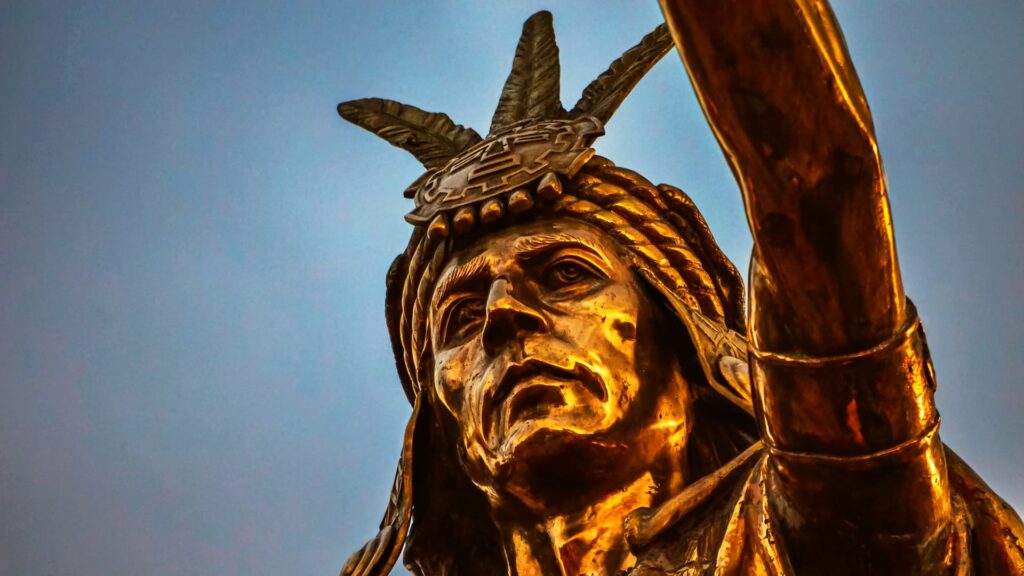
Once in power, he understood that Cusco needed more than warriors. He rebuilt the city after the war, turned it into a planned capital designed in the shape of a puma and transformed a confederation of local lords into a centralized state. His reign marks the true beginning of the empire; we tell his story in detail in chapter 3 of our series, dedicated to Pachacútec.
Túpac Inca Yupanqui, the conqueror
Pachacútec first chose another of his sons as successor but, seeing that he lacked a warrior spirit, named Túpac Inca Yupanqui instead. The young prince was already recognized as a great warrior and military strategist, and under his command the empire expanded faster than ever.
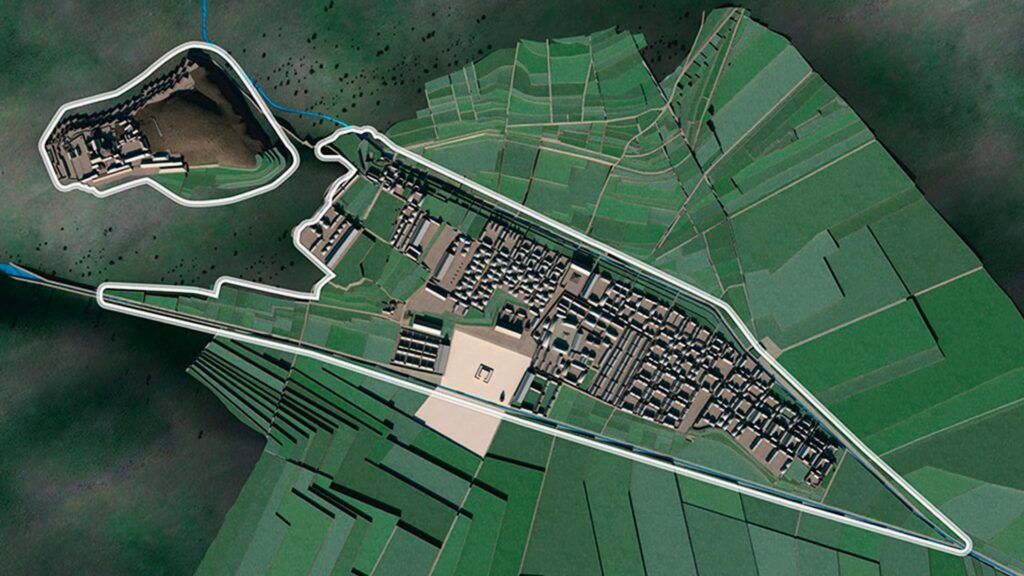
His greatest challenge was the Chimú Kingdom on the north coast, famous for its advanced metalwork and its capital, Chan Chan. A direct assault was too risky, so, according to the accounts, he diverted the river that supplied the city with water. Cut off in the desert, the Chimú were forced to surrender, one of the most strategic victories in Inca history.
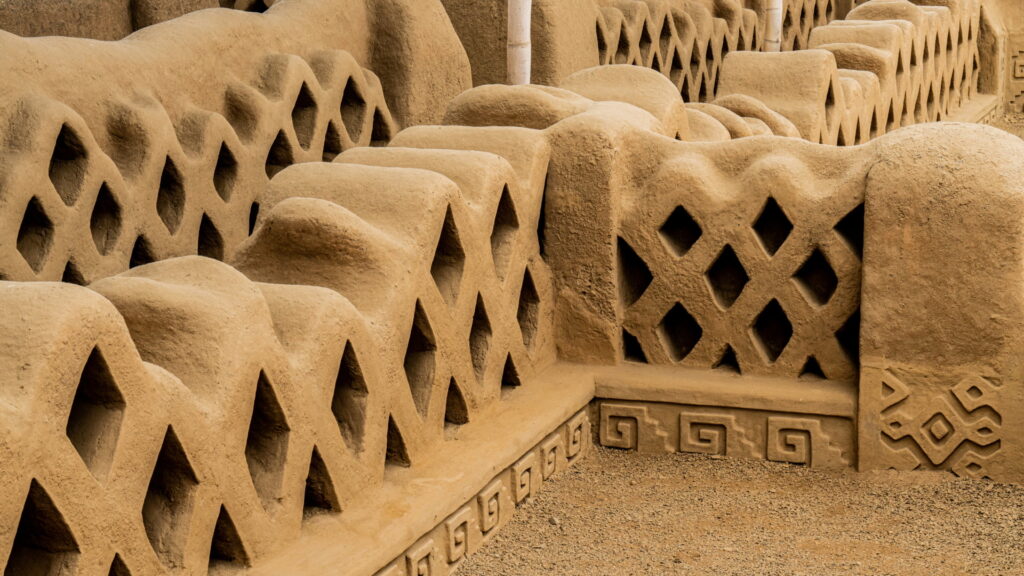
His ambitions went beyond the Andes. Some theories suggest that he led an expedition across the Pacific Ocean, possibly as far as the Polynesian islands. Historians still debate it, but if it were true, he would be the first South American explorer known to make such a journey.

Huayna Cápac, the statesman
Born Titu Cusi Huallpa, Huayna Cápac was prepared for power from an early age by his grandfather Pachacútec and his father Túpac Inca Yupanqui. His task was to hold the vast territory together. Instead of ruling only from Cusco, he travelled through the provinces, put down rebellions and strengthened alliances, giving the Tahuantinsuyo a period of stability and prosperity.
How was the Inca Empire organized?
Much of the strength of the Inca Empire came from organization, not from conquest alone. These were some of its pillars:
- Garrisons: instead of withdrawing after a victory, the Incas left garrisons to keep control of the conquered territories.
- The Warachicuy: a ceremony in which young nobles passed tests of endurance, strength and speed to become military officers. Students of the Colegio Ciencias in Cusco still keep this tradition alive.
- Storehouses and waystations: the qollqas stored food for the population and the army, protecting communities in times of drought or natural disaster, while the tambos along the roads sheltered travelers and messengers.
- Roads: the Qhapaq Ñan connected Cusco with every corner of the empire. The Classic Inca Trail to Machu Picchu follows one of its best-known sections.
- Religion: the worship of Inti, the Sun God, gave the empire a shared faith. Pachacútec expanded the Inticancha temple, which became the Coricancha, the Golden Temple of the Sun.
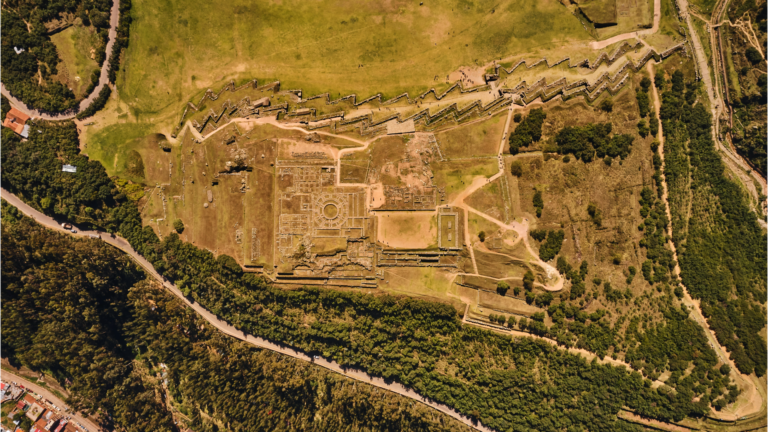
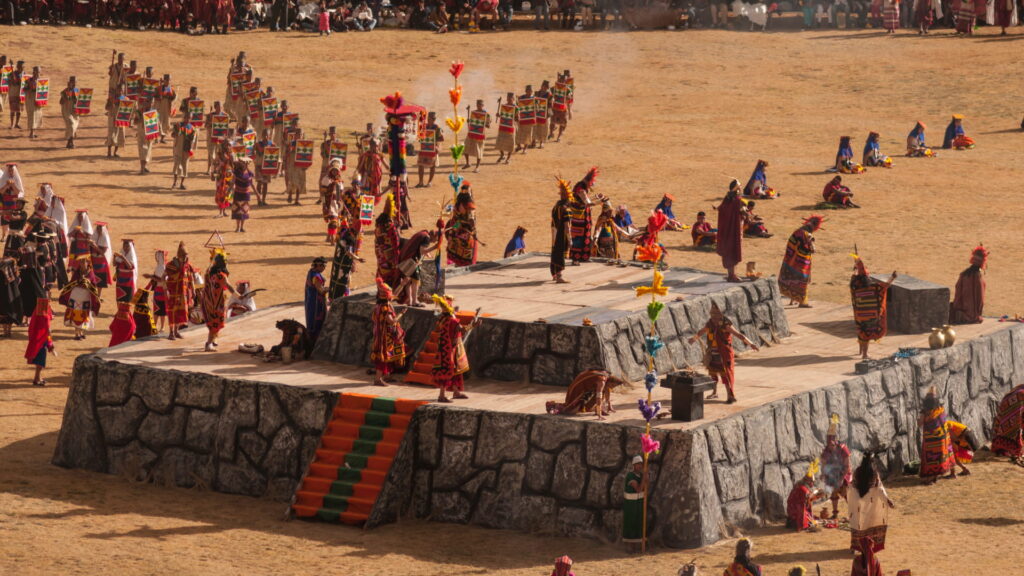
Together, these innovations made Cusco the great capital of the Tahuantinsuyo. Its festivals still echo that era: the Inti Raymi, the Festival of the Sun, is re-enacted every June at Sacsayhuamán.
Why did the Inca Empire fall?
At the height of its power, the empire was hit by a sudden illness. Huayna Cápac fell sick and weakened quickly; many historians believe it was smallpox, which spread from the Spanish colonies before the conquistadors themselves arrived. Foreseeing his death, he named his son Ninan Cuyuchi as heir, but the boy died before him, leaving no clear successor.
That uncertainty triggered a brutal civil war between two of his sons, Huáscar and Atahualpa. When the Spanish arrived in 1532, they found a divided and exhausted empire. Inca resistance continued for decades from Vilcabamba, but the golden age of the Andes had come to an end.
Where can you see the legacy of the Inca Empire today?
The Inca Empire ended abruptly, but its legacy is very much alive in the Quechua language, traditional dances, textiles and the Andean worldview. Around Cusco, you can still walk through its great works:
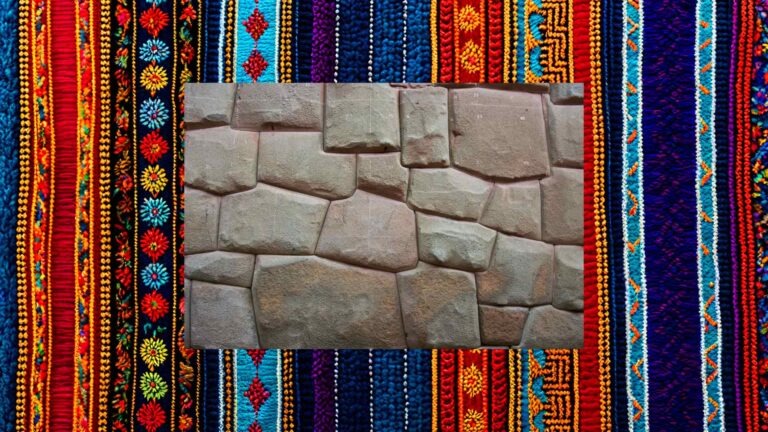
- Cusco: the Coricancha and the walls of Sacsayhuamán, in the heart of the old capital.
- The Sacred Valley: terraces, towns and temples such as Pisac and Ollantaytambo, which you can visit on our Super Valley tour.
- Machu Picchu: the most famous of the sites built under Pachacútec and the clearest proof of the architectural achievements of the Incas. You can reach it on a full-day tour to Machu Picchu.

Our tip: explore Cusco before you go to Machu Picchu. Visiting the Coricancha and Sacsayhuamán first gives you the context to understand everything you will see later in the Sacred Valley and at the citadel. To arrive prepared, read our guide to the history of Machu Picchu.
Want to discover the capital of the Inca Empire with a local guide? Join our Cusco City Tour to visit the Coricancha and Sacsayhuamán, or contact us and we will help you plan your journey through the heart of the Tahuantinsuyo.