 English
 Español
 Português

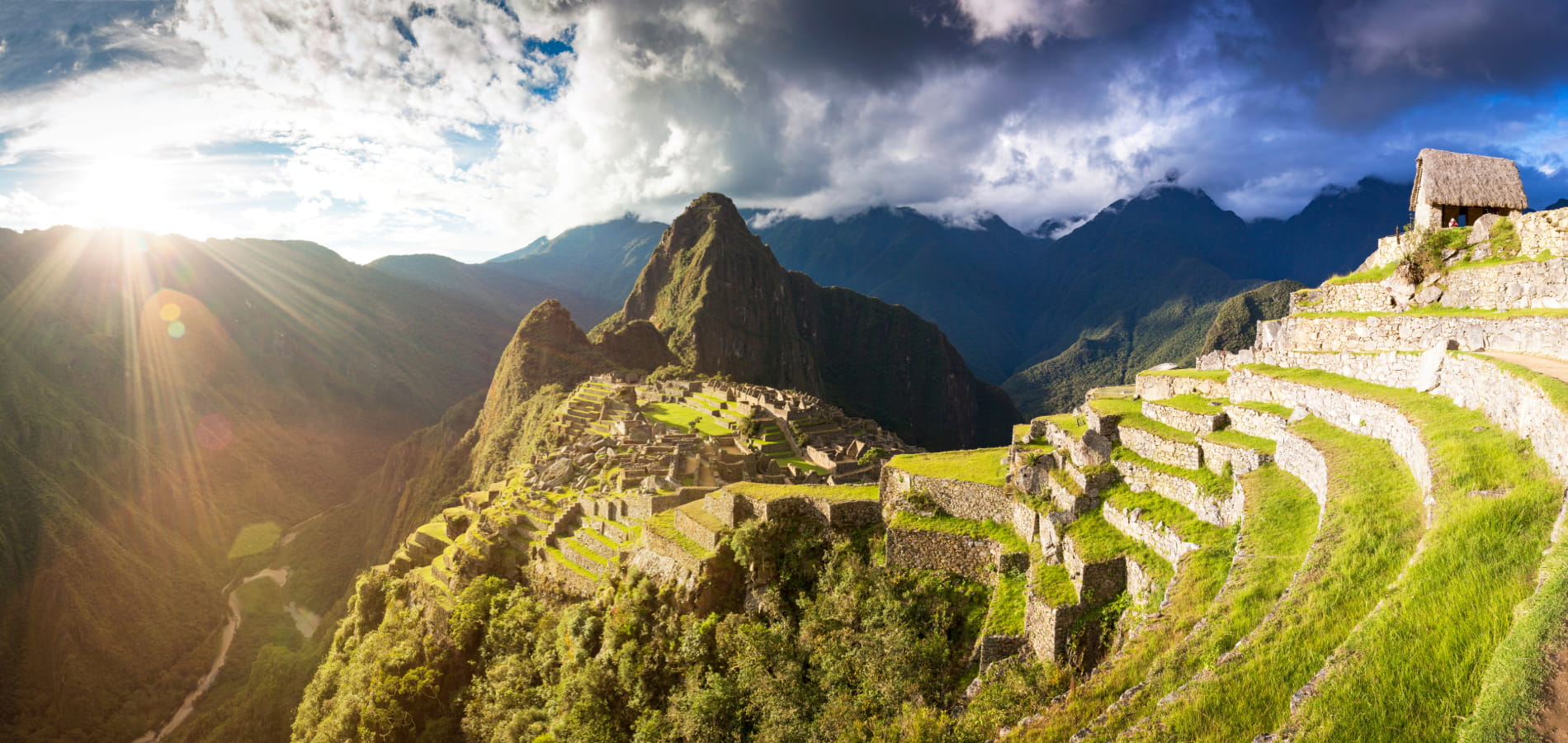
- Duration 4 days / 3 nights
- Difficulty Challenging
- Group size 8 to 12 people
- Max. altitude 4,200 m (13,780 ft)
- Travel style Adventure, Trekking
- Departure Cusco
Our Classic Inca Trail leaves Cusco early for Km 82 and follows about 42 km (26 miles) of original Inca paths over 4 days and 3 nights, entering Machu Picchu through the Sun Gate on the final morning. Permits, guide, porters, cooks, camping gear, meals and the return train are included, from US$650 per person.
This is the full trek to Machu Picchu, on foot all the way and camping each night. We hike in groups of 8 to 12 people with a professional guide in English, Spanish or Portuguese and a team of porters and cooks who carry the tents, sleeping mats and food. You only carry a small daypack.
Where does the Classic Inca Trail start?
The trail starts at Km 82 of the railway to Machu Picchu, in the Urubamba River valley in the Cusco region. We pick you up in Cusco early in the morning and drive you by private transport to the trailhead. The way back is covered too: train from Aguas Calientes to Ollantaytambo, then transport to Cusco.
Inca Trail altitude: Dead Woman’s Pass
The highest point is Warmiwañusca, better known as Dead Woman’s Pass, at about 13,780 ft (4,200 m), which you cross on day two. From there the trail drops through valleys and cloud forest to Machu Picchu at 7,970 ft (2,430 m). Cusco itself sits at around 11,150 ft (3,400 m), so we recommend arriving at least 2 days before the trek to acclimatize. Read more about the climb in our guide to Dead Woman’s Pass.
Classic Inca Trail route at a glance
| Day | Section | Highlights |
|---|---|---|
| 1 | Cusco – Km 82 – Wayllabamba | Gentle walk along the Urubamba River, Llactapata ruins and first campsite |
| 2 | Wayllabamba – Warmiwañusca – Pacaymayo | The hardest day: climb to the pass at about 13,780 ft (4,200 m), then down to camp |
| 3 | Pacaymayo – Wiñay Wayna | Runkurakay, Sayacmarca and Phuyupatamarca; last campsite at Wiñay Wayna |
| 4 | Wiñay Wayna – Sun Gate – Machu Picchu – Cusco | First view of Machu Picchu from Inti Punku, guided tour of about 2 hours, free time and train back |
How hard is the Classic Inca Trail?
We rate it as difficult. Daily stages are 5 to 8 hours of hiking with plenty of stone steps, both up and down, and day two carries most of the climbing. You do not need mountaineering experience, but you do need good fitness and time to acclimatize. We recommend waterproof trekking boots, layered clothing and a steady pace: your guide sets regular stops to rest and drink water.
Best time to hike the Inca Trail
The dry season, April to October, brings the most pleasant hiking: mild days and cold nights at camp. It is also when spaces sell out fastest. The Inca Trail closes every February for rain and maintenance; the rest of the year it is open, although from November to March you should pack good rain gear.
Inca Trail permits are limited per day and issued in each hiker’s name with their passport details. For travel between April and September we recommend booking 6 to 8 months ahead.
Classic Inca Trail, Short Inca Trail or Machu Picchu by train?
If you are short on time or prefer less hiking, the Short Inca Trail covers the last section in one day, from Km 104 to Wiñay Wayna and the Sun Gate, with a hotel night in Aguas Calientes. If you would rather not trek at all, our 2-day Machu Picchu tour by train or the Machu Picchu Full Day reach the citadel without long hikes. Only the Classic Inca Trail crosses Dead Woman’s Pass, camps in the mountains and visits sites such as Runkurakay and Sayacmarca.
To plan your trip, read our guide: Inca Trail to Machu Picchu: Guide to Routes, Permits and Tips.
To plan your trip, read our guide: Peru Itinerary 2027: 7 to 10 Days with Machu Picchu, Lake Titicaca and Arequipa.
To plan your trip, read our guide: Huayna Picchu 2027: Tickets, the Climb, Circuits and Tips.
To plan your trip, read our guide: Machu Picchu Tickets 2027: Circuits, Routes and How to Buy.
Book with a local agency in Cusco
We are a Cusco-based agency and we handle your permits, camping equipment, meals and return train. Book through the form on this page or contact us with your travel dates and we will confirm availability.
Full itinerary
Day 1: Cusco – Wayllabamba
Start of the trek
We leave Cusco before dawn by private transport to Km 82, where the Inca Trail begins, so breakfast is not included on this day. There you will meet the porters and guides, and then we start hiking.
Hike to Wayllabamba
The first day's hike is easy, passing Inca ruins such as Llactapata and following the Urubamba River. We stop for lunch and then continue to Wayllabamba, where we camp for the night.
Day 2: Wayllabamba – Warmiwañusca – Pacaymayo
The challenge of Warmiwañusca Pass (Dead Woman's Pass)
Today is the toughest day, as we climb to the highest point of the trek, Warmiwañusca Pass (4,200 m). The ascent is steep and demanding, but the panoramic views from the top make it worthwhile. After a well-earned rest at the pass, we descend to Pacaymayo, where we camp.
Day 3: Pacaymayo – Wiñay Wayna
Exploring Inca ruins
On the third day you hike through some of the most stunning landscapes of the Inca Trail, with ups and downs, visiting archaeological sites such as Runkurakay, Sayacmarca and Phuyupatamarca. The day ends at Wiñay Wayna, where we camp for the last night.
Day 4: Wiñay Wayna – Machu Picchu – Cusco
Entry through the Sun Gate (Inti Punku)
We get up early to hike to Inti Punku, the Sun Gate, where you will have a spectacular view of Machu Picchu at dawn. After photos and time to enjoy the moment, we descend to the citadel for a guided tour of approximately 2 hours.
Free time at Machu Picchu and return to Cusco
After the guided tour, you will have free time to explore Machu Picchu on your own. Later we take the bus down to Aguas Calientes (lunch there is not included), board the train to Ollantaytambo and continue by private transport to Cusco.
What is included
- Transport from Cusco to the start of the trek (Km 82)
- Entrance to the Inca Trail and Machu Picchu
- Professional guide in English, Spanish or Portuguese
- Porters and cooks to carry the camping equipment and food
- Camping gear (tents and sleeping mats)
- Meals during the trek: 3 breakfasts, 3 lunches, 3 dinners and snacks
- Bus from Machu Picchu to Aguas Calientes
- Return train from Aguas Calientes to Ollantaytambo and transport to Cusco
Not included
- Sleeping bag (available for rent)
- Trekking poles (optional)
- Breakfast on Day 1 (we leave Cusco before dawn)
- Lunch on Day 4 in Aguas Calientes
- Drinks not listed as included
- Personal expenses
- Tips for porters, guides or cooks (optional)
- Travel insurance
Frequently asked questions
1. Do I need to be in good physical shape for the Classic Inca Trail?
Yes, good physical condition is essential, especially on Day 2, when you climb to Warmiwañusca Pass (4,200 m). Our guides accompany you all the way, but preparing well for the 43 km route makes a big difference. If you prefer a less demanding option, compare it with the Short Inca Trail.
2. Do I need to acclimatize before the Classic Inca Trail?
Yes. We recommend spending at least 2 days in Cusco before the trek, since the highest point reaches 4,200 m at Warmiwañusca Pass. Stay hydrated and try coca tea to ease symptoms. The Cusco City Tour is a good way to acclimatize while you get to know the city.
3. What kind of meals are served on the Classic Inca Trail?
Our cooking team prepares nutritious Andean meals during the trek, such as quinoa soup, with vegetarian options on request. The trek includes 3 breakfasts, 3 lunches, 3 dinners and snacks. Breakfast on Day 1 is not included because we leave Cusco before dawn, and neither is lunch on Day 4 in Aguas Calientes. Please tell us about any dietary restrictions when you book. Learn more in Andean Food: Authentic Flavors not to be Missed.
4. Can I rent trekking equipment for the Classic Inca Trail?
Yes, you can rent sleeping bags and trekking poles in Cusco. We provide the camping gear (tents and sleeping mats); personal items are your responsibility. See 10 Essential Tips for an Unforgettable Trip to Cusco for packing advice.
5. Is the Classic Inca Trail open year-round?
No, the Inca Trail closes every February for maintenance during the rainy season. The best time is the dry season (April to October), with mild days (10–20 °C) and cold nights (0–5 °C). Book early, because permits are limited. In February, the Choquequirao Trek is a good alternative.
6. How long is the Classic Inca Trail?
About 43 km over 4 days: roughly 12 km to Wayllabamba, 11 km to Pacaymayo, 15 km to Wiñay Wayna and 5 km to Machu Picchu. If you have less time, compare it with the Short Inca Trail.
7. What is the altitude of the Classic Inca Trail?
The highest point is Warmiwañusca Pass, at 4,200 m; the trail then descends to Machu Picchu, at 2,430 m. Acclimatize in Cusco beforehand with the advice in 10 Essential Tips for an Unforgettable Trip to Cusco.
8. Do I need a permit for the Classic Inca Trail?
Yes. Inca Trail permits are limited to 500 per day, of which only about 200 are for travelers; the rest are for guides, porters and cooks. We handle the permit for you, but we recommend booking 6 to 8 months in advance. Contact us early to secure your spot.
9. What is the history of the Classic Inca Trail?
The Inca Trail is part of the Inca road network of about 40,000 km, built more than 500 years ago, and it connected Machu Picchu with the rest of the empire. Your guide will explain this history at ruins such as Runkurakay. Learn more in The Inca Empire: The Golden Age of the Andes.
10. How many days is the Classic Inca Trail?
4 days and 3 nights, covering about 43 km to Machu Picchu. For details on the hardest day, read The Warmiwañusca Pass: A Challenging Challenge.
11. What should I pack for the Classic Inca Trail?
Layered clothing, a waterproof jacket, sunscreen, a reusable water bottle and good hiking boots. We provide the camping gear; bring or rent a sleeping bag. See 10 Essential Tips for an Unforgettable Trip to Cusco.
12. How do you find your way on the Classic Inca Trail?
Our guide leads the group along the whole 43 km route from Km 82 to Machu Picchu, so you do not need a map or navigation experience. Discover one of the highlights in Sun Gate: A Gateway to Adventure and History.
13. Can I take photos on the Classic Inca Trail?
Yes. You can photograph the ruins along the trail and the views of Machu Picchu, especially from Inti Punku; our guides will show you the best spots. For more photo opportunities, add the Rainbow Mountain Tour to your trip.
14. How does the Classic Inca Trail compare to other treks?
The Classic Inca Trail is a historic 43 km route to Machu Picchu, more structured than the wilder Choquequirao Trek, but still challenging, especially at Warmiwañusca Pass.
15. What is the weather like on the Classic Inca Trail?
Days are mild (10–20 °C) and nights are cold (0–5 °C); the best months are April to October. The trail closes in February because of the rains. Pack layers and stay hydrated; read The Warmiwañusca Pass: A Challenging Challenge for more tips.
16. What is the difference between the Classic Inca Trail and the Short Inca Trail?
The Classic Inca Trail is a 4-day, 43 km trek with many ruins along the way, while the Short Inca Trail is a 2-day option to Machu Picchu. Choose the one that best suits your time and fitness.
17. What is the difference between Machu Picchu and the Inca Trail?
Machu Picchu is the 15th-century Inca citadel at the end of the route. The Inca Trail is the 43 km path that leads to it, with other Inca ruins along the way. This tour includes both.
18. How long does it take to hike the Classic Inca Trail?
4 days and 3 nights for about 43 km, with daily stages of 5 to 8 hours of walking at a steady pace. Prepare with 10 Essential Tips for an Unforgettable Trip to Cusco.
19. What is the elevation gain on the Classic Inca Trail?
The highest point is Warmiwañusca Pass, at 4,200 m, with a total ascent of about 2,000 m over the trek. Train for the climb with The Warmiwañusca Pass: A Challenging Challenge.
20. What is the route of the Classic Inca Trail to Machu Picchu?
The route covers about 43 km, from Km 82 to Inti Punku, passing ruins such as Wiñay Wayna, and ends with the arrival at Machu Picchu through the Sun Gate. Learn more in Sun Gate: A Gateway to Adventure and History.
21. Where do we camp on the Classic Inca Trail?
We camp at Wayllabamba on the first night, Pacaymayo on the second and Wiñay Wayna on the third. Tents and sleeping mats are included; bring your own sleeping bag or rent one in Cusco.
22. How do we get back to Cusco after Machu Picchu?
After your free time at Machu Picchu, you go down to Aguas Calientes and board the train to Ollantaytambo. From there, our transport drives you back to Cusco; both the train and the transfer are included.
23. What do the porters carry and what do I carry?
Our porters carry the tents, sleeping mats, cooking gear and food. You only carry a small daypack with water, snacks, rain gear, sunscreen and your passport.
Recommendations and what to bring
What to bring
- Your original passport, the same one used to book the permit: it is checked at the start of the trail and at Machu Picchu
- Layered clothing: light layers for hiking and warm clothes for the cold nights at camp
- A warm hat and gloves for the early mornings and nights
- Waterproof jacket and pants or a rain poncho, as the weather can change quickly
- Sunscreen, sunglasses, a sun hat and insect repellent
- Sleeping bag (your own or rented in Cusco) and a headlamp for the camps
- Reusable water bottle and energy snacks
- Small daypack for what you need during each day's hike
- Cash in soles for tips, restrooms and small purchases
Recommended footwear
- Comfortable, broken-in waterproof hiking boots with good grip for stone steps and steep sections
- If you use trekking poles, they must have rubber tips to protect the Inca paving
Local remedies
- Coca tea: very helpful against altitude discomfort, especially before Day 2
- Coca or muña candies: good for keeping your energy up during the hike
Medication
- Acetazolamide (Diamox) to prevent altitude sickness, only after consulting your doctor
- Pain relievers for headaches or muscle soreness, plus your personal medication and blister plasters
Possible challenges during the trek
- Altitude sickness: most likely on Day 2, when crossing Warmiwañusca Pass. Acclimatize in Cusco first; hydration, rest and coca tea help ease symptoms.
- Fatigue: this is a demanding trek, so pace yourself and rest when needed.
- Cold: nights at camp can be close to 0 °C; keep a dry, warm layer for the evening.
- Dehydration: drink regularly throughout the trek, even if you do not feel thirsty because of the cool temperatures.
Keep exploring
You may also like

Short Inca Trail 2027 (2 Days / 1 Night)
Short Inca Trail 2 days from Cusco: hike from Km 104 to the Sun Gate, hotel in Aguas…