 English
 Español
 Português


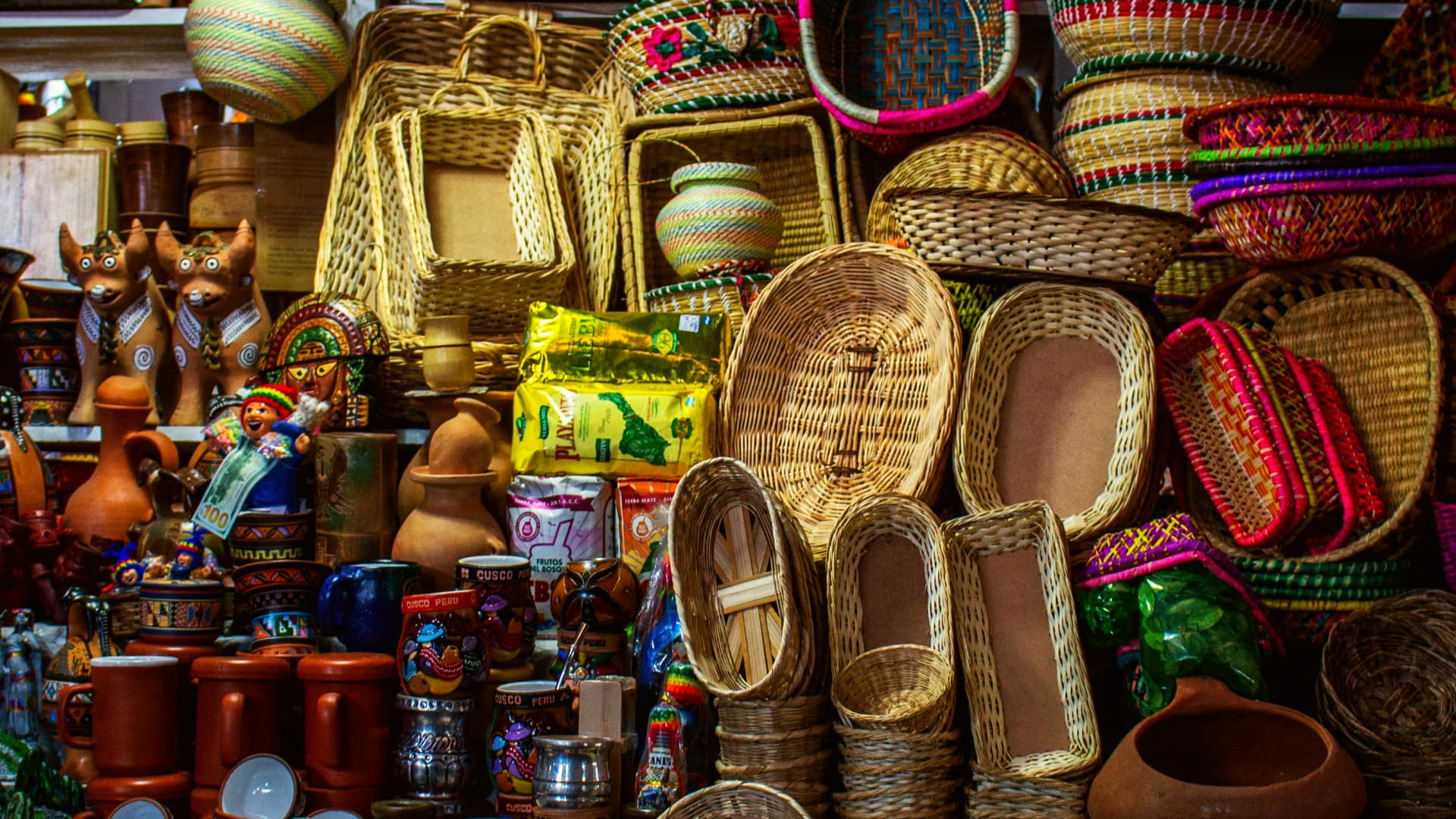
Peru’s currency is the sol (code PEN, symbol S/). Banknotes come in S/10, 20, 50, 100 and 200, and coins in 10, 20 and 50 céntimos and S/1, 2 and 5. For a trip to Cusco and Machu Picchu, the most practical approach combines three things: soles in cash for small expenses, a card for hotels and restaurants, and some dollars in good condition as a backup.
In short: markets, taxis, restrooms and tips are paid in soles, in cash. You book our tours by card, paying just 40% online, for example US$120 for the Machu Picchu Full Day; the balance is paid when you arrive in Peru.
Peru’s currency at a glance
| Fact | Detail |
|---|---|
| Name | Sol (from 1991 to 2015 it was called the “Nuevo Sol”) |
| Code and symbol | PEN · S/ |
| Banknotes | S/10, S/20, S/50, S/100 and S/200 |
| Coins | 10, 20 and 50 céntimos; S/1, S/2 and S/5 |
| Issued by | The Central Reserve Bank of Peru (BCRP, in Spanish) |
| Are dollars accepted? | At some hotels, agencies and tourist shops; for everyday spending you need soles |
| Cards | Visa and Mastercard at hotels, restaurants and shops in central Cusco; cash at markets and in villages |
Sol banknotes and coins
The Nuevo Sol replaced the inti in 1991, and in December 2015 a law renamed it the “Sol” without changing its value. That is why you may still see prices written “S/.” or signs saying “nuevos soles”: it is the same currency.
- Banknotes: S/10, 20, 50, 100 and 200. Ask for small notes when you exchange or withdraw money: at markets, in taxis and in small shops it is often hard to get change for S/100 or S/200.
- Coins: 10, 20 and 50 céntimos, and S/1, 2 and 5. The 1 and 5 céntimo coins are no longer in circulation.
- Rounding: when you pay in cash, the total is rounded down in your favor to the nearest 10 céntimos; card payments are charged exactly.
How to spot a genuine banknote
The BCRP recommends three steps: touch the note, because the paper is cotton and feels firm; look at the watermark against the light; and tilt the note to see the security thread change color. Check large notes you get as change this way.
Dollars, soles or card? How to pay for each thing
| Expense | How to pay |
|---|---|
| Hotels and agencies | Card or dollars; many also accept soles |
| Restaurants in central Cusco | Card or soles |
| Markets, taxis and small shops | Soles in cash |
| Restrooms, tips and snacks along the way | Soles in cash, in small notes and coins |
| Our tours | 40% online by card when you book; the balance on arrival in Peru |
If you bring dollars, make sure they are in good condition: torn, stained or very worn notes are often refused at exchange offices.
Where to exchange money in Cusco
- Exchange offices and banks: there are several in Cusco’s historic center. Compare the rate before exchanging and count your money at the counter.
- ATMs: the simplest way to get soles. Some ATMs charge foreign cards a fee on top of your bank’s; withdraw larger amounts less often.
- On the street: avoid changing money with people on the street; it is easier to end up with fake or miscounted notes.
- Before you travel: tell your bank you will use your card in Peru and ask about foreign fees.
How much cash to bring to Machu Picchu and on treks
There is no single figure: it depends on what your tour does not include. These are the most common cash expenses on our tours, according to each tour page:
- Machu Picchu Full Day: lunch in Aguas Calientes and the restrooms, which are outside the entrance and charge a small fee.
- Machu Picchu 2 days: dinner on the first day, lunches and, if you like, the hot springs in Aguas Calientes.
- Inca Trail: if you bring trekking poles, at Machu Picchu they are left in the storage at the entrance for about S/ 5; more in our Inca Trail guide.
- Rainbow Mountain and Humantay Lake: the optional horse, restrooms and snacks.
- Choquequirao: there are no ATMs on the route, so bring all your cash from Cusco; more in our Choquequirao difficulty guide.
- Tips: for the guide, driver, cooks or porters, they are optional on all our tours.
Bring your cash from Cusco in S/10 and S/20 notes plus some coins, and keep part of it apart from your wallet. For the rest of the trip’s costs, see how much Machu Picchu costs.
Book your tours paying just 40%
| Tour | Price | Pay online by card (40%) |
|---|---|---|
| Cusco City Tour | US$40 | US$16 |
| Rainbow Mountain | US$50 | US$20 |
| Humantay Lake | US$55 | US$22 |
| Machu Picchu Full Day | US$300 | US$120 |
| Machu Picchu 2 days | US$350 | US$140 |
| Classic Inca Trail 4 days | US$650 | US$260 |
Book with 40%: you pay 40% online by card on a secure payment page, and the balance when you arrive in Peru. When we confirm your booking we tell you how to pay it, so you know how much cash you need.
Frequently asked questions
What is the currency of Peru?
The sol (PEN), with the symbol S/. Until 2015 it was called the “Nuevo Sol”.
Can I pay in US dollars in Peru?
At some hotels, agencies and tourist shops, yes. At markets, in taxis, at local restaurants, for restrooms and for tips you pay in soles.
Should I bring dollars or withdraw soles from an ATM?
Both work. Many travelers bring some dollars in good condition as a backup and withdraw soles from an ATM in Cusco. Before you travel, compare your bank’s fees.
Are cards accepted in Cusco?
Yes, at most hotels, restaurants and shops in the center. At markets, in villages and on treks you need cash.
Do I need to tip?
It is not mandatory. On our tours, tips for the guide, driver or trek team are optional.
Ready to plan your trip? Book your Machu Picchu tour by paying 40% online by card, or contact us and we will help you work out your expenses in Peru. More advice in our Cusco travel tips.


